 Save to Pinterest
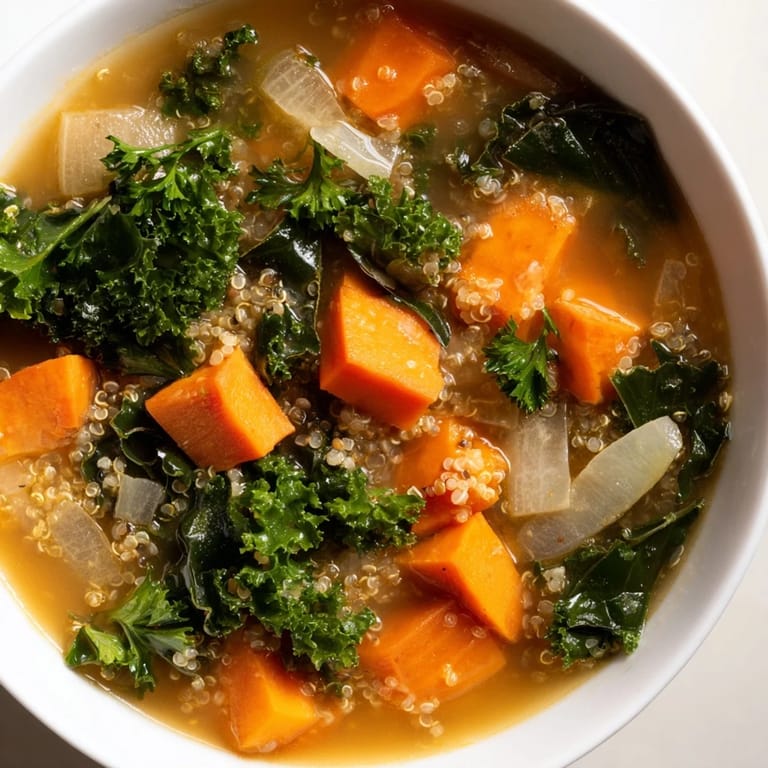
 There's something about the first truly cold evening of the year that makes me want to fill the kitchen with steam and warmth. I was standing at the market a few winters ago, watching the display of root vegetables pile up like treasure, when an older woman next to me started talking about her winter soup routine. She grabbed a parsnip and said it was her secret weapon. I bought one on impulse, went home, and created this bowl of comfort that's now my go-to whenever the temperature drops.
I made this for my sister during a surprise visit one January, and she sat at my kitchen counter eating bowl after bowl while we caught up on lost time. She kept commenting on how each spoonful tasted different, and I realized it was because the vegetables were cooking at different rates, creating these little pockets of texture. That's when I understood this soup wasn't just nourishing—it was generous.
Ingredients
- Olive oil: A tablespoon is just enough to build flavor without making the broth greasy; I learned this the hard way after using too much.
- Onion and garlic: These two are the foundation, and letting them get translucent opens up all the flavor that follows.
- Carrots, celery, and parsnip: The parsnip is the quiet hero here, adding a subtle sweetness that balances the earthiness of the rest.
- Sweet potato and root vegetables: They soften into almost creamy bites without any cream involved, which is the real magic.
- Kale or Swiss chard: Add this near the end so it stays bright and textured, not dissolved into nothing.
- Cabbage: It adds volume and a gentle sweetness that rounds out the broth beautifully.
- Diced tomatoes: Whether canned or fresh, they bring acidity that wakes up all the other flavors.
- Quinoa: Rinsed quinoa prevents that bitter coating, and it adds protein that makes this a complete meal.
- Vegetable broth: Low-sodium lets you control the seasoning; I always taste before adding salt.
- Dried thyme and oregano: These herbs are forgiving and build flavor gradually as the soup simmers.
- Bay leaf: Don't skip it; it creates depth you can't quite identify until it's gone.
- Fresh parsley and lemon: Added at the end, they brighten everything and make it taste like spring showed up in your winter bowl.
Tired of Takeout? 🥡
Get 10 meals you can make faster than delivery arrives. Seriously.
One email. No spam. Unsubscribe anytime.
Instructions
- Warm your pot and build the base:
- Heat olive oil over medium heat and add your diced onion and minced garlic. You'll know it's ready when the onion turns translucent and the kitchen fills with that unmistakable aroma—about 2 to 3 minutes. This is where patience pays off, so don't rush it.
- Add the harder vegetables:
- Toss in the carrots, celery, parsnip, and sweet potato. Let them cook for 5 to 6 minutes, stirring occasionally so they get lightly caramelized on the edges. You're not cooking them through yet; you're just giving them character.
- Layer in the greens and tomatoes:
- Add your chopped kale and cabbage along with the diced tomatoes. Give it a quick stir and let everything meld for about 2 minutes. The greens will start to soften slightly, and the tomatoes will release their liquid.
- Pour in the broth and bring it together:
- Add your rinsed quinoa, vegetable broth, thyme, oregano, bay leaf, salt, and pepper. Stir everything so nothing sticks to the bottom, then bring the whole pot to a boil. You'll see it start to bubble energetically—that's your signal to move to the next step.
- Simmer gently until everything is tender:
- Reduce the heat to low, cover the pot, and let it simmer for 25 to 30 minutes. The vegetables should be soft but not falling apart, and the quinoa should have absorbed the broth and opened up slightly. Stir once halfway through if you think of it.
- Finish with brightness:
- Remove the bay leaf and stir in your fresh parsley and a squeeze of lemon juice. Taste it now and adjust the salt and pepper—it should taste full and alive, not muted. This is your moment to make it exactly right.
 Save to Pinterest
 My neighbor smelled this cooking once and invited herself over with a thermos she'd bring back the next day filled with her own version. That's when I realized this recipe had become something that bridges people, a comfort that's easy to share. There's real generosity in a bowl that nourishes both body and spirit.
Why Winter Vegetables Are Worth Celebrating
Winter vegetables have a quiet strength that summer produce can't match. Carrots, parsnips, and root vegetables are sweeter in cold months because the plants convert starches to sugars as a survival mechanism. When you cook with them, you're not just eating food—you're eating the plant's response to hardship, which somehow makes the soup taste deeper and more real. I've learned to seek out the vegetables that look imperfect at the market because they often have the most flavor to give.
Making This Soup Your Own
The beauty of this recipe is that it welcomes creativity without demanding it. I've added chickpeas on nights when I needed more protein, swapped spinach for kale when that's what I had, and even thrown in a handful of diced mushrooms because they were sitting on my counter. Each variation tastes slightly different but always feels right. The structure is solid enough to trust, but flexible enough to make room for what you have on hand or what you're craving.
Serving Suggestions and Final Touches
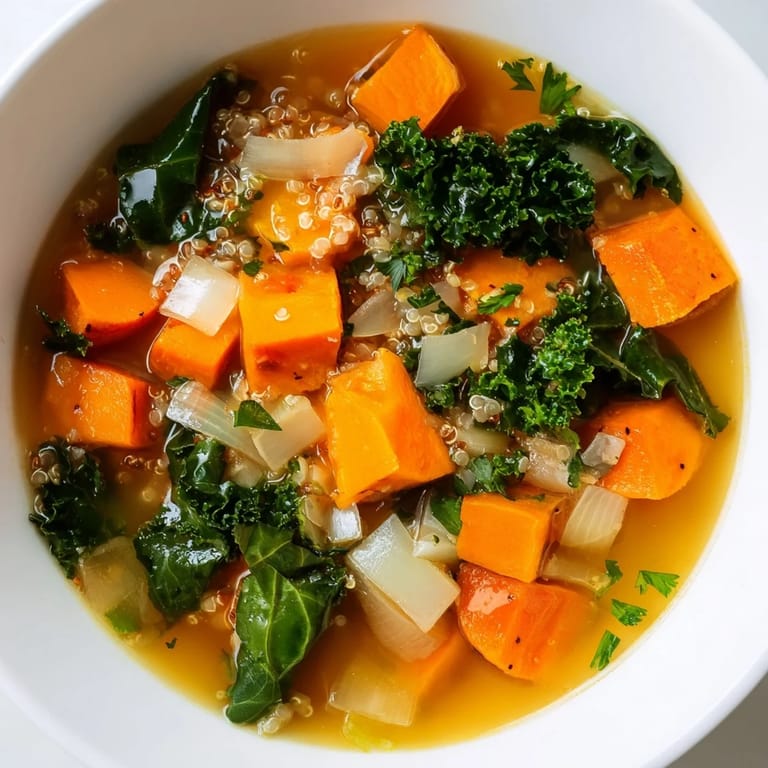
Serve this soup in whatever bowl makes you feel cared for—chipped mugs, delicate bowls, even a mug when you're eating alone at your desk. A slice of crusty whole-grain bread turns this into something more substantial, and a drizzle of good olive oil on top catches the light and adds richness. I sometimes finish mine with a sprinkle of red pepper flakes for warmth, or a handful of fresh herbs if I have them.
- For extra heartiness, add a can of drained chickpeas or white beans in the final step.
- A squeeze of fresh lemon juice right before serving brightens flavors that might otherwise fade into the background.
- This soup keeps beautifully for three days in the fridge and actually tastes better the next day as flavors deepen and meld together.
 Save to Pinterest
 This soup has become my answer to almost every cold day and unexpected craving for something real. It's the kind of meal that makes you feel like you're taking care of yourself, which is its own form of warmth.
Common Recipe Questions
- → What vegetables are best for this winter veggie soup?
Root vegetables like carrots, parsnip, and sweet potato, combined with leafy greens such as kale or Swiss chard, create a hearty, flavorful base.
- → Can I use other grains instead of quinoa?
Yes, grains like barley or brown rice can be substituted, but cooking times may vary accordingly.
- → How can I add extra protein to this dish?
Adding drained chickpeas or white beans during simmering boosts protein content without altering flavor significantly.
- → Is it possible to make this suitable for spicier palates?
Incorporate a pinch of red pepper flakes during the initial sauté to add subtle heat and depth.
- → What is the best way to store leftovers?
Store cooled portions in airtight containers in the refrigerator for up to four days, then reheat gently on the stove or microwave.