 Save to Pinterest
 Last summer, my neighbor brought over a container of homemade falafel from her family's recipe, still warm and impossibly crispy on the outside. I bit into one and realized I'd been missing out on the real thing my whole life. That conversation led me to dust off my air fryer and stop waiting for the perfect occasion to make them myself. What surprised me most was how much lighter and less greasy they turned out compared to the deep-fried versions I'd always assumed were necessary. Now I make a batch almost every other week, and somehow they've become the snack everyone expects at my door.
I made these for a potluck last month where everyone was supposed to bring something with their cultural background. Watching people who claimed they didn't like falafel go back for thirds, then ask if I'd made them myself, felt like a small victory. One person asked why they tasted so green and herbaceous—that's when I realized the fresh herbs were doing the real talking here, not just filler playing backup to spices.
Ingredients
- Dried chickpeas (1 1/2 cups, soaked overnight): Using dried chickpeas instead of canned is the secret—they hold together better and give you that light, almost fluffy texture that nobody expects from an air fryer.
- Fresh parsley and cilantro (1 cup combined): These are doing the heavy lifting flavor-wise; don't skimp or use dried herbs here, or you'll end up with something that tastes like a spice cabinet.
- Onion and garlic (1 small onion, 3 cloves): The food processor will turn these into tiny flavor bombs that distribute evenly throughout the mixture.
- Ground cumin and coriander (1 tsp each): Toast these in a dry pan for 30 seconds before adding if you want to deepen their flavor, though it's optional.
- Baking powder (1/2 tsp): This is what makes them fluffy inside; it's the difference between dense and airy.
- Chickpea flour (2 tbsp): Acts as a binder without making the mixture wet or heavy; all-purpose works if that's all you have.
- Olive oil spray: A light coat is all you need; more oil doesn't necessarily mean crispier, just greasier.
Tired of Takeout? 🥡
Get 10 meals you can make faster than delivery arrives. Seriously.
One email. No spam. Unsubscribe anytime.
Instructions
- Pulse everything until it looks like coarse sand:
- In your food processor, combine the drained chickpeas, chopped onion, garlic, fresh herbs, and spices. Pulse gently—this isn't bread dough, so you're looking for a texture where you can still see tiny bits of chickpea, not a smooth paste. If you over-process, the mixture becomes heavy and dense.
- Bind and refrigerate:
- Stir in the baking powder and chickpea flour directly into your bowl, mixing just until combined. The mixture should feel slightly damp and hold together when you squeeze it; if it's too dry, wet your hands before shaping. Refrigerate for at least 30 minutes so the baking powder has time to wake up and the flavors meld.
- Shape with confidence:
- Using damp hands (seriously, this prevents sticking like nothing else), roll the mixture into 16 balls or slightly flattened patties about the size of golf balls. If they're still crumbly, you might need another tablespoon of chickpea flour, but go easy.
- Set up your air fryer correctly:
- Preheat to 375°F (190°C) for about 5 minutes while you arrange your falafel on a tray. Lightly spray the air fryer basket with olive oil, then arrange the falafel in a single layer without touching.
- Spray and air fry with the flip:
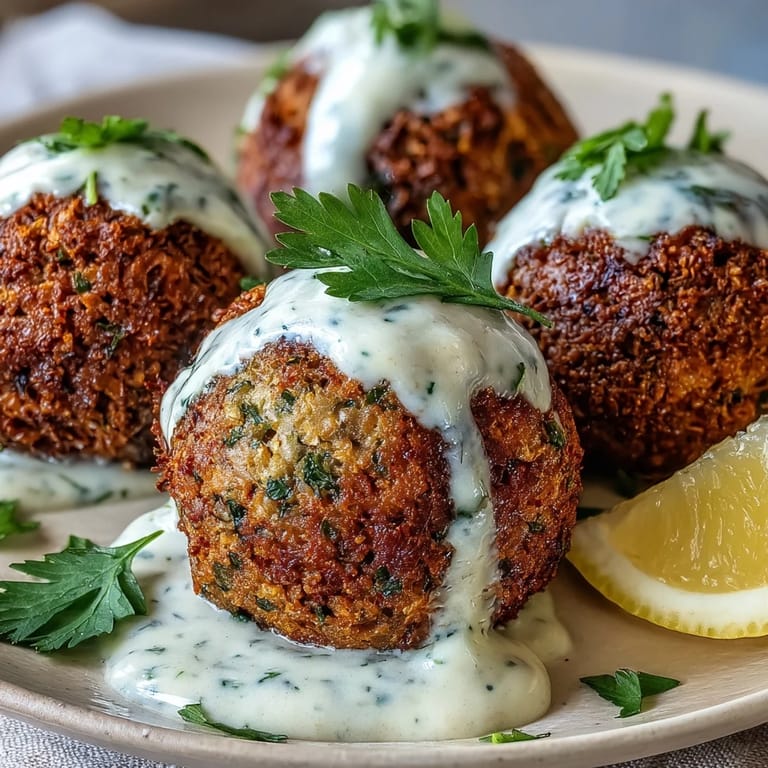
- Give the tops a light spray of olive oil—this is what creates that golden, crispy exterior. Air fry for 12 to 15 minutes, shaking the basket or flipping halfway through, until they're deep golden brown and feel crispy when you tap them.
- Blend the green sauce while they cook:
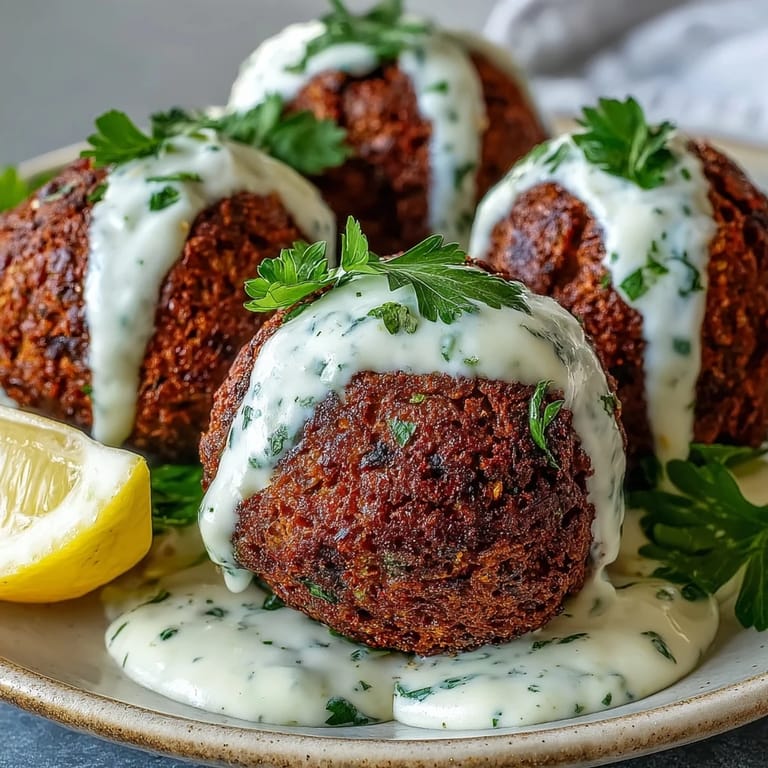
- In your blender, combine tahini, fresh parsley, cilantro, one small garlic clove, lemon juice, cold water, and salt. Blend until vibrant green and completely smooth, adding more water a tablespoon at a time if it's too thick. Taste and adjust the lemon and salt to your preference.
- Serve while everything is warm:
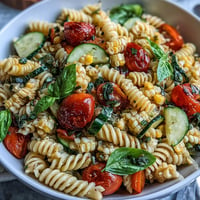
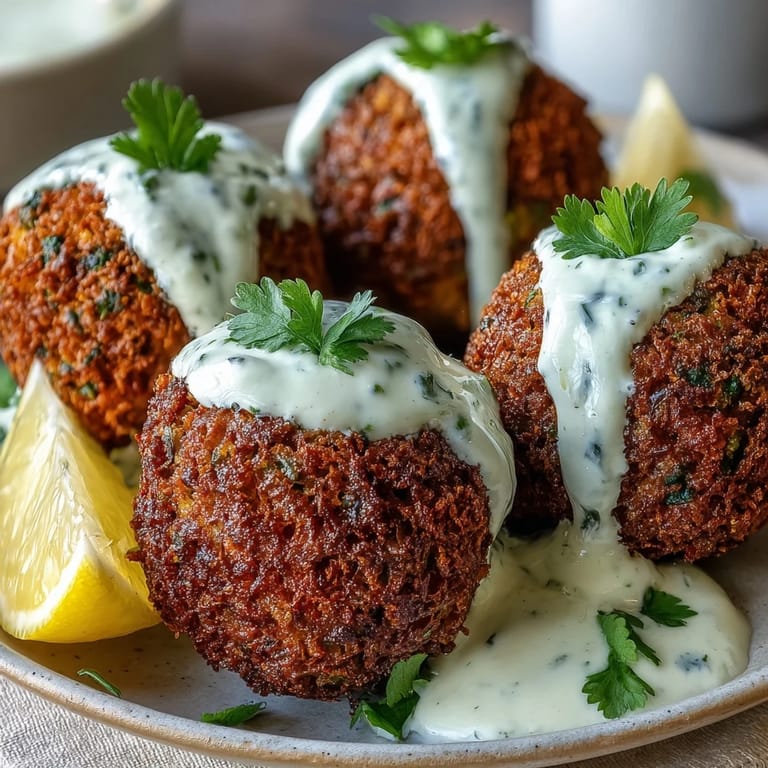
- Pull the falafel out while they're still hot and arrange on a plate with the green sauce for dipping or drizzling. Serve alongside warm pita bread, a simple tomato and cucumber salad, or toss them into a grain bowl.
 Save to Pinterest
 There's something about watching someone's face light up when they realize these aren't the heavy, oil-logged version they've had before that makes the whole process worth it. The first time my mom tried them, she asked where I'd bought them, and when I said I made them, she demanded the recipe immediately—which is basically the highest compliment in my family.
The Magic of Fresh Herbs
I used to think falafel was all about the spices, but this recipe taught me that the herbs are doing the real work. The combination of parsley and cilantro doesn't just add flavor—it creates a color and brightness that you can taste. If you're using herbs from a farmers market or your own garden, they'll be more vibrant than grocery store herbs, and the difference is noticeable. The dill is optional, but if you have it fresh, add it anyway; it adds a subtle floral note that makes people pause mid-bite and try to figure out what they're tasting.
Air Fryer vs. Deep Frying
The air fryer was supposed to be my shortcut, but it turned out to be genuinely better than the deep frying method. You get the same crispy exterior with way less oil, and because there's less fat to work with, the herbs and spices taste cleaner and more pronounced. The one thing I'll say is that air fryer results are a bit variable depending on your model—some run hotter, some have more air circulation than others. If your first batch comes out pale, increase the temperature by 10 degrees next time; if they're dark too quickly, lower it slightly. Also, don't crowd the basket; give them room to breathe or they'll steam instead of crisp.
Making It Your Own
Once you've made this recipe once, you'll start seeing ways to make it yours. Some people add a tablespoon of sesame seeds to the mixture for extra crunch and nuttiness, while others swap the cilantro for mint if that's what they have on hand. I've also seen people add a pinch of smoked paprika for depth, or a small pinch of black pepper if they like a little heat beyond the cayenne. The base recipe is forgiving enough to handle these variations without falling apart.
- Toast your cumin and coriander in a dry pan for 30 seconds before grinding if you want to deepen the spice flavor.
- Make the falafel mixture up to 2 days ahead and store it in the fridge in an airtight container, then shape and air fry when you're ready.
- Leftover falafel keeps in an airtight container in the fridge for about 4 days and can be reheated in the air fryer for 5 minutes to restore crispiness.
 Save to Pinterest
 These falafel have become my go-to when I need something that feels special but doesn't require me to spend hours in the kitchen. They've also somehow become the thing people ask me to bring to gatherings, which I take as the highest form of kitchen flattery.
Common Recipe Questions
- → How long should chickpeas be soaked for best results?
Soak chickpeas overnight for at least 8 hours to ensure they soften properly and blend into the falafel mixture with the right texture.
- → Can I make falafel mixture in advance?
Yes, prepare the mixture and refrigerate it for up to 2 days, which can help the flavors meld and the patties hold together better when cooking.
- → What temperature should the air fryer be set to?
Preheat your air fryer to 375°F (190°C) for optimal crispiness without drying out the falafel.
- → How can I adjust the tahini sauce consistency?
Add cold water gradually while blending to achieve a smooth, creamy, and pourable consistency that coats the falafel nicely.
- → Are there any common allergens in this dish?
Yes, tahini contains sesame, and chickpea flour may be processed with gluten; check packaging if you require gluten-free options.
- → What herbs give the falafel its distinctive flavor?
Fresh parsley, cilantro, and optional dill create the aromatic, herbal notes that define the falafel’s vibrant flavor profile.