 Save to Pinterest
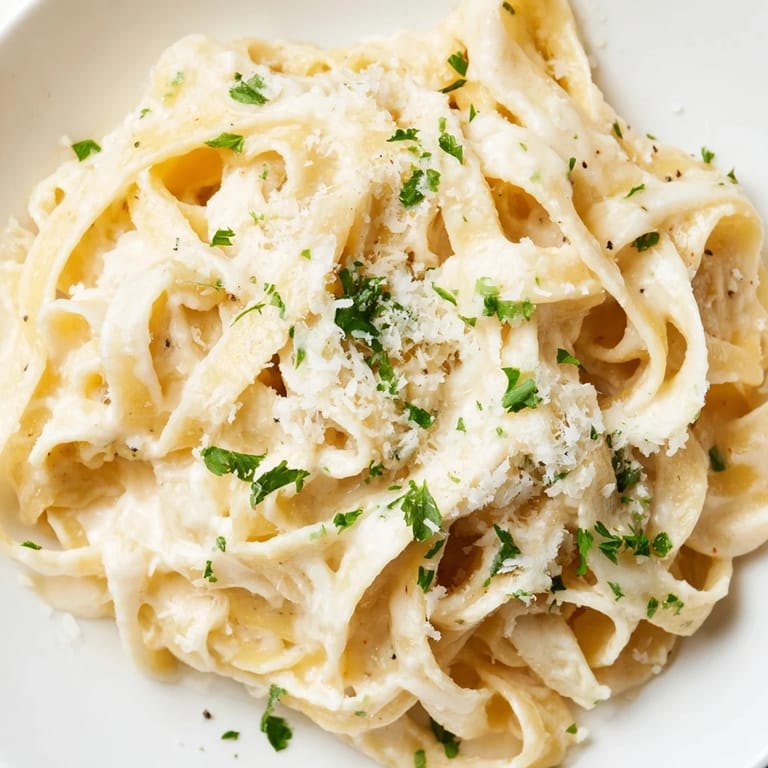
 My sister called me one evening, frustrated that her kids refused anything green on their plates. I suggested blending cauliflower into a sauce, and she laughed, skeptical. A week later, she sent me a photo of two empty bowls and a text that said they asked for seconds. That night, I made my own batch, and the kitchen filled with the scent of buttery garlic and sweet roasted cauliflower. It tasted like comfort without the heaviness, like I'd found a secret door in my own pantry.
I brought this to a potluck once, labeled it as Alfredo, and watched three people go back for thirds before asking for the recipe. When I mentioned cauliflower, one friend accused me of lying, convinced I'd used heavy cream. The truth is, the vegetables break down so completely in the blender that the sauce clings to every strand of pasta like velvet. I've made it a dozen times since, tweaking the garlic or adding a pinch more nutmeg, and it never fails to surprise someone.
Ingredients
- Cauliflower florets: The star that vanishes into creaminess, choose a head that feels heavy and tight, avoid any with brown spots that can taste bitter.
- Garlic cloves: They mellow as they boil with the cauliflower, lending sweetness instead of sharpness, so don't skip them even if you think three sounds like too many.
- Yellow onion: Adds a subtle backbone of flavor that rounds out the sauce, I once used a red onion and it turned faintly purple, still tasted fine but looked odd.
- Unsalted butter: This brings richness without overwhelming the vegetables, salted butter works too but then go easy on the added salt or it gets too salty fast.
- Parmesan cheese: The nutty, salty punch that makes this taste like real Alfredo, freshly grated melts smoother than the pre-shredded kind with added starches.
- Milk: Any kind works, I've used oat milk and whole milk with equal success, it loosens the sauce and adds a hint of creaminess.
- Fettuccine or linguine: Wide noodles hold the sauce better, but I've used whatever pasta I had on hand and it still worked, just adjust the cooking time.
- Salt and black pepper: Essential for bringing out all the flavors, taste before serving because cauliflower can be bland without enough seasoning.
- Ground nutmeg: Just a pinch adds warmth and mystery, people always ask what that background note is and I smile and don't tell them.
- Fresh parsley: A sprinkle on top adds color and a fresh contrast to the rich sauce, optional but it makes the dish look like you tried.
Tired of Takeout? 🥡
Get 10 meals you can make faster than delivery arrives. Seriously.
One email. No spam. Unsubscribe anytime.
Instructions
- Boil the vegetables:
- Drop the cauliflower, garlic, and onion into salted boiling water and let them cook until the cauliflower is so soft it practically falls apart when you poke it with a fork. This usually takes 8 to 10 minutes, and the kitchen will smell sweet and mellow.
- Transfer to blender:
- Use a slotted spoon to scoop out the vegetables, letting most of the water drain off before adding them to the blender. Save that cooking water, it's starchy and perfect for thinning the sauce later if needed.
- Blend the sauce:
- Add butter, Parmesan, milk, salt, pepper, and a pinch of nutmeg if you're feeling fancy, then blend on high until the sauce is completely smooth and looks like cream. If it's too thick, add a splash of the reserved cooking water and blend again until it's pourable but still clings to a spoon.
- Cook the pasta:
- In the same pot you used for the vegetables, cook the pasta according to the package directions until it's al dente, with just a little bite left. Before draining, scoop out a cup of the starchy pasta water and set it aside.
- Combine and toss:
- Return the drained pasta to the pot, pour the cauliflower sauce over it, and toss everything together with tongs or a wooden spoon until every strand is coated. Add splashes of reserved pasta water to loosen the sauce if it looks too thick or dry.
- Adjust and serve:
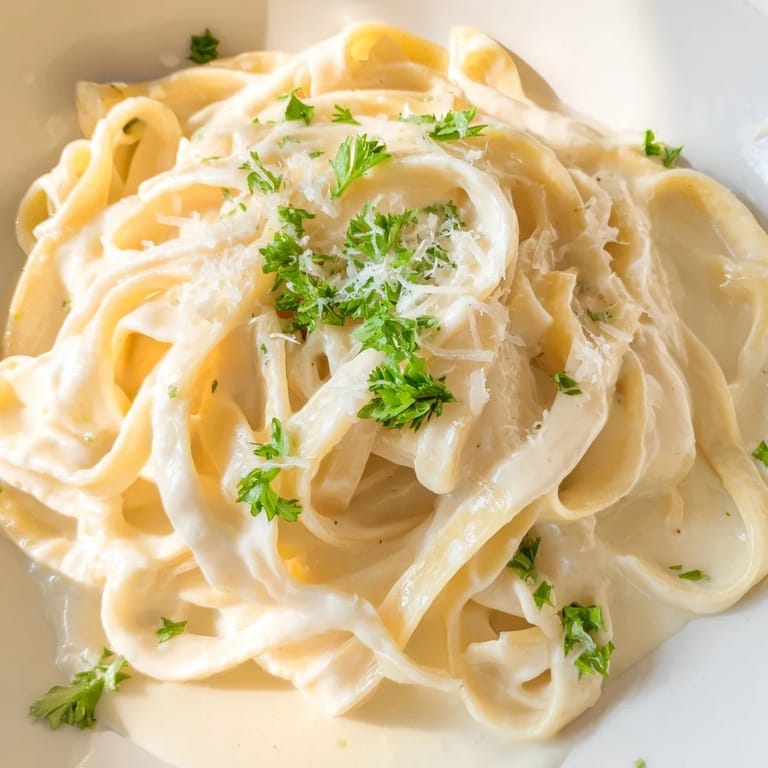
- Taste and add more salt or pepper if needed, then serve hot with a sprinkle of parsley and extra Parmesan on top. The sauce thickens as it sits, so don't worry if it looks a little loose at first.
 Save to Pinterest
 One night, I made this for a friend who was convinced she hated cauliflower after years of mushy cafeteria memories. She took one bite, paused, and asked if I'd tell her what was in it after she finished. When I finally confessed, she laughed and said maybe she just hated bad cooking, not vegetables. We sat on the kitchen floor with our bowls, talking until the pasta was gone and the sauce had left creamy streaks on the sides of the pot.
Making It Your Own
This recipe is forgiving and loves additions. I've stirred in sautéed mushrooms for earthiness, folded in steamed broccoli for color, and even added a handful of spinach at the end for extra greens. If you want more protein, grilled chicken or white beans work beautifully without weighing down the lightness of the sauce. Sometimes I toast pine nuts in a dry pan and scatter them on top for crunch, or add a pinch of red pepper flakes if I want a little heat.
Storing and Reheating
Leftovers keep in the fridge for up to three days in an airtight container, and honestly, they taste even better the next day after the flavors have melded. When reheating, add a splash of milk or water and warm gently on the stovetop, stirring often, because microwaving can make the sauce separate and look grainy. I've also frozen individual portions in freezer bags, pressing out the air, and thawed them overnight in the fridge before reheating on low heat with a little extra liquid.
Common Questions
People always ask if they can make this ahead, and the answer is yes, you can blend the sauce up to two days in advance and store it in the fridge, then just cook the pasta fresh and toss everything together. If you're going fully plant-based, swap the butter for vegan butter or olive oil, use unsweetened almond or oat milk, and replace Parmesan with nutritional yeast, it won't taste identical but it's still creamy and delicious. The sauce also works as a base for baked pasta dishes, just toss with cooked pasta, top with breadcrumbs and more cheese, and bake until golden.
- Use a high-speed blender if you have one, it makes the sauce silkier and eliminates any graininess from the cauliflower.
- Don't rinse the pasta after draining, the starch on the surface helps the sauce cling and creates a glossy finish.
- If the sauce breaks or looks oily, add a spoonful of pasta water and whisk vigorously, it usually comes back together.
 Save to Pinterest
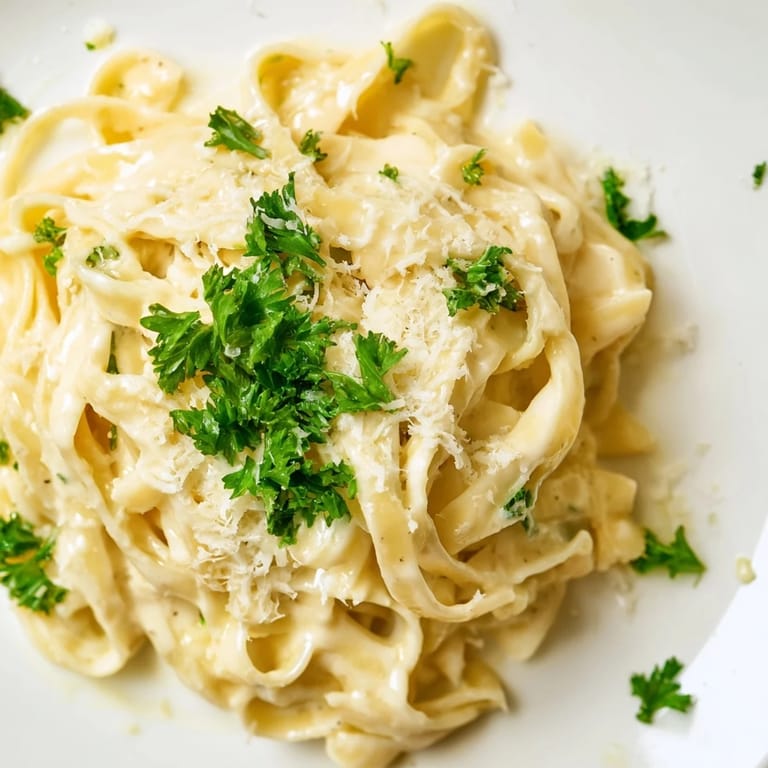
 This dish has become my answer to weeknight exhaustion and surprise guests, the kind of meal that feels special without demanding much from me. Every time I make it, I'm reminded that comfort food doesn't have to be heavy, it just has to taste like care.
Common Recipe Questions
- → Can I make this sauce ahead of time?
Yes, prepare the cauliflower sauce up to 2 days in advance. Store in an airtight container in the refrigerator. Gently reheat on the stovetop with a splash of milk or pasta water to restore creaminess before tossing with fresh pasta.
- → What pasta works best with this sauce?
Fettuccine and linguine are traditional choices that catch the sauce beautifully. Pappardelle, tagliatelle, or even penne work wonderfully. Whole wheat and gluten-free pastas are excellent alternatives that pair well with this creamy sauce.
- → How do I achieve the perfect sauce consistency?
The reserved pasta water is key. Add it gradually while tossing to reach your preferred thickness. Start with a quarter cup and increase as needed. The starch in pasta water helps the sauce cling to noodles while maintaining a silky texture.
- → What substitutions work for dairy-free versions?
Replace butter with vegan butter, use unsweetened plant-based milk (almond, oat, or cashew work best), and substitute Parmesan with nutritional yeast for a savory umami flavor. The sauce will be equally creamy and satisfying.
- → Can I add vegetables to this dish?
Absolutely. Sauté mushrooms, spinach, or roasted broccoli separately and toss with the pasta and sauce. Cherry tomatoes add brightness. These additions boost nutrition while maintaining the dish's simplicity and elegance.
- → Why is my sauce not creamy enough?
Ensure the cauliflower is very tender before blending for maximum creaminess. Blend until completely smooth with no visible chunks. If still too thick, add reserved pasta water one tablespoon at a time while blending until desired consistency is reached.