 Save to Pinterest
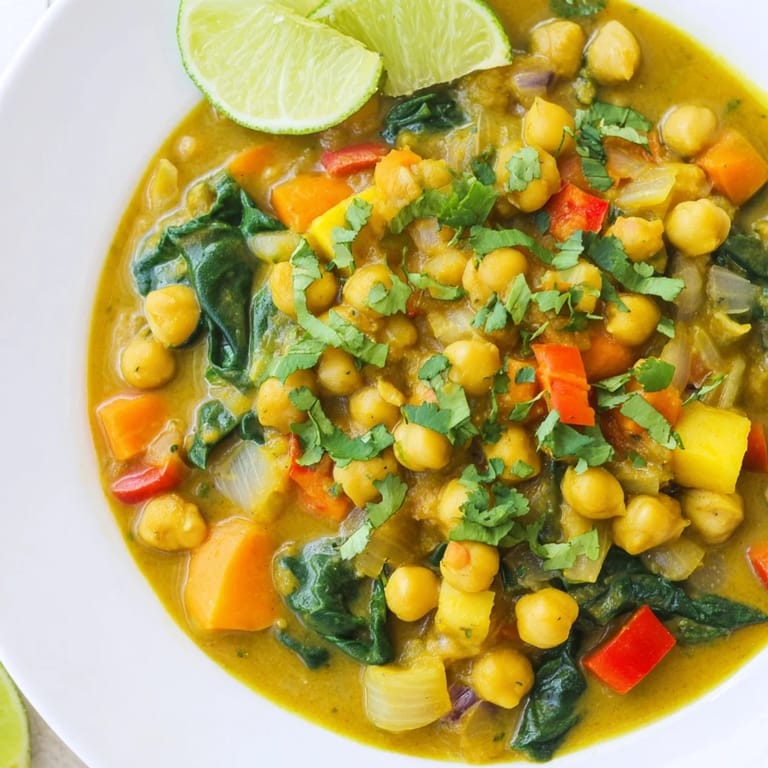
 There's something about the smell of curry powder hitting hot oil that instantly transforms my kitchen into somewhere warmer, somewhere that feels like home. I stumbled onto this chickpea curry on a Tuesday night when I had nothing but pantry staples and a desire for something that felt both comforting and alive. One pot, thirty-five minutes, and suddenly I was eating something so deeply satisfying that I couldn't believe I'd been making complicated dinners for years. The creamy coconut milk mellows the spices while the chickpeas stay perfectly tender, and there's this honest simplicity to it that keeps me coming back.
I made this for my neighbor Sarah on an evening when she mentioned craving something warm but not heavy. She sat at my kitchen counter while I cooked, and by the time the spinach wilted into the pot, she was asking for the recipe. The best part wasn't just that she loved it—it was how quickly the whole thing came together, how you could actually taste each spice without any one overpowering the others. She's made it three times since, which feels like the ultimate compliment.
Ingredients
- Coconut oil or olive oil: Two tablespoons creates the foundation for toasting spices; coconut oil adds subtle sweetness while olive oil keeps things neutral and lighter.
- Yellow onion: One medium onion diced releases its sweetness as it becomes translucent, creating the flavor base everything else builds on.
- Garlic and ginger: Two cloves garlic and one-inch piece of fresh ginger add brightness and warmth; fresh ginger makes all the difference here, not ground.
- Red bell pepper: One medium pepper contributes natural sweetness and body without needing cream.
- Curry powder: Two tablespoons is generous but not aggressive; this is where personality comes from, so don't skimp or use old spice.
- Cumin, turmeric, smoked paprika: One teaspoon cumin, half teaspoon each of turmeric and smoked paprika layer depth and warmth without heat unless you want it.
- Chili flakes: Optional half teaspoon adds edge if you're in the mood for it.
- Canned chickpeas: Two cans drained and rinsed provide protein and substance; canned works beautifully here because you're not relying on a long cook time.
- Coconut milk: One can full-fat creates creaminess; light coconut milk works if you prefer, but full-fat tastes noticeably better.
- Vegetable broth and diced tomatoes: One cup broth and one can tomatoes add moisture and acidity; don't use more liquid or the curry becomes soup.
- Baby spinach: Two cups stirred in at the end wilts down to almost nothing but adds iron and color.
- Carrot: One medium diced carrot is optional but adds natural sweetness and texture if you have it.
- Salt, black pepper, lime and cilantro: Salt and pepper adjust to taste, while lime and cilantro finish everything with brightness.
Tired of Takeout? 🥡
Get 10 meals you can make faster than delivery arrives. Seriously.
One email. No spam. Unsubscribe anytime.
Instructions
- Heat the oil and start with onion:
- Pour two tablespoons coconut or olive oil into your pot over medium heat and wait until it shimmers slightly. Dice your onion and add it, stirring occasionally for three to four minutes until it turns translucent and starts to soften at the edges.
- Build the aromatics:
- Mince your garlic, grate your ginger, and dice your red bell pepper. Add everything to the pot and cook for two minutes, letting the kitchen fill with that unmistakable warm smell.
- Toast the spices:
- Sprinkle in the curry powder, cumin, turmeric, smoked paprika, chili flakes if you're using them, salt, and black pepper. Stir constantly for one minute—this matters because toasting releases their oils and deepens the flavor.
- Build the sauce:
- Pour in the diced tomatoes, coconut milk, vegetable broth, and drained chickpeas. Add the diced carrot if you have it and stir everything together until combined.
- Simmer gently:
- Bring the curry to a gentle simmer, then lower the heat to low and cover the pot. Let it bubble softly for fifteen minutes, stirring a few times so nothing sticks to the bottom.
- Finish with greens:
- Roughly chop your spinach and stir it into the pot, cooking uncovered for two to three minutes until it wilts completely. The curry will also thicken slightly as the spinach releases its moisture.
- Taste and serve:
- Take a spoonful and taste it—add more salt, pepper, or a squeeze of lime juice if something feels off. Serve hot over rice or with warm naan, topped with fresh cilantro and lime wedges.
 Save to Pinterest
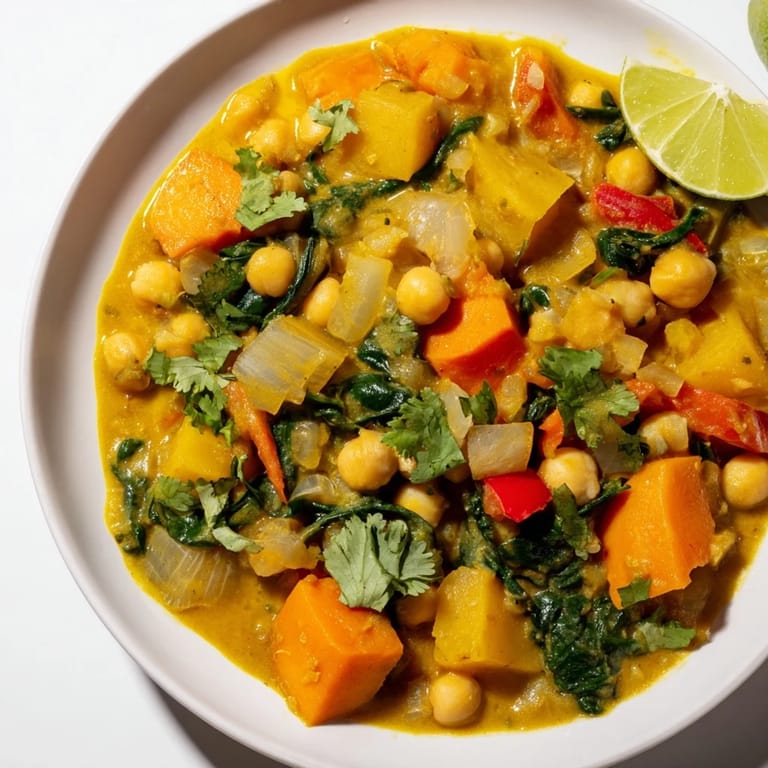
 What I love most about this curry is that it taught me something: simple doesn't mean boring. A friend who usually orders takeout made this for her family last week and texted that her teenage daughter asked for seconds, which never happens. That moment made me realize how often we overthink cooking when the best meals are just good ingredients treated with respect.
Why This Curry Became My Go-To
There was a season when I was trying to eat more plant-based, not for purity but because I was curious. I got tired of salads that felt like punishment and pasta that didn't satisfy. This curry changed something because it was genuinely delicious, not a compromise or a worthy sacrifice. The coconut milk tastes indulgent, the chickpeas give you substance and protein, and you finish eating feeling full without feeling heavy. It's now in my rotation not because it's virtuous but because my body wants it and my taste buds light up when I eat it.
How to Make This Your Own
The beauty of this recipe is how forgiving it is once you understand the foundation. I've made it with kale when spinach wasn't available, added chunks of tofu for extra protein, and once threw in some diced sweet potato because I forgot I'd used the carrot the day before. Each version tasted different but equally good. The spice base stays the same, so you're really just playing with what vegetables or proteins make sense for what you have or what you're craving.
Storage and Leftovers
This curry stores beautifully in the refrigerator for four or five days, and honestly tastes better as the spices continue melding. You can freeze it too, though the spinach will lose texture—I usually leave spinach out when freezing and add fresh greens when I reheat. Reheat gently over medium heat with a splash of broth if it's thickened too much, and it'll taste almost as good as the night you made it.
- Store in an airtight container and always let it cool to room temperature before refrigerating.
- Freeze flat in a gallon bag and it thaws quickly when you need dinner in a hurry.
- Leftover curry makes an incredible filling for whole wheat wraps the next day if you're tired of rice.
 Save to Pinterest
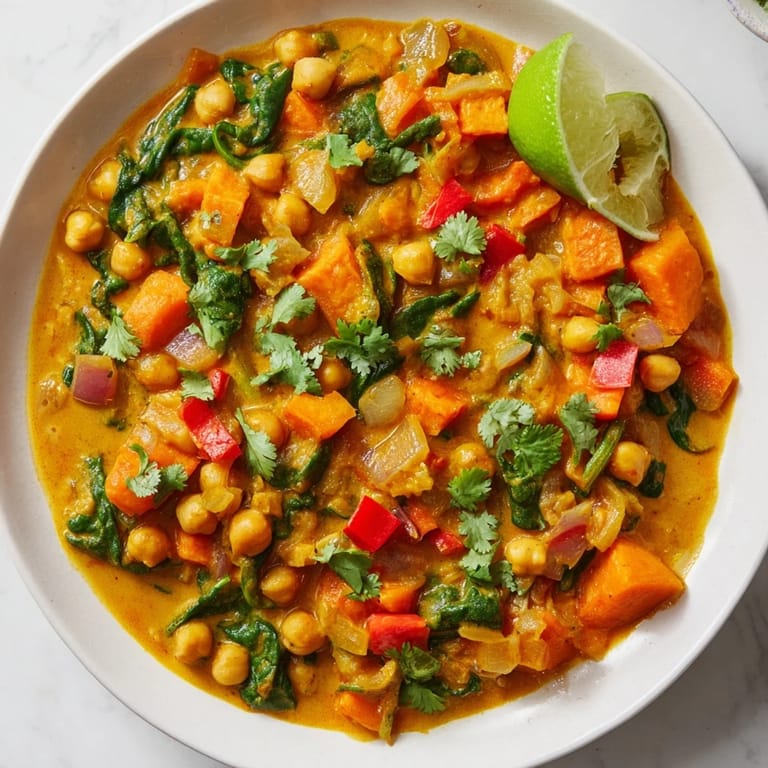
 This curry exists in the category of recipes that feel like a small win every time you make them. It's not complicated, it doesn't require special skills or impossible ingredients, and it genuinely nourishes both your body and the part of you that needs to know you can feed yourself something delicious.
Common Recipe Questions
- → Can I substitute spinach with other greens?
Yes, kale or Swiss chard can be used as alternatives to spinach, providing similar texture and nutrition.
- → How can I adjust the spice level in this dish?
Modify chili flakes quantity or omit them entirely to suit your preferred heat level.
- → What protein alternatives complement this dish?
Adding cubed tofu or tempeh boosts protein and pairs well with the curry’s flavors.
- → Which rice varieties pair best with this curry?
Jasmine or basmati rice complements the curry’s spices and texture nicely.
- → Is this dish suitable for gluten-free diets?
Yes, all ingredients are gluten-free, but verify broth and packaged items for hidden gluten sources.