 Save to Pinterest
 My neighbor dropped off a jar of white miso paste one autumn afternoon, insisting I'd understand its magic once I tasted it beyond soup. That weekend, I roasted a pan of root vegetables with butter and that creamy paste, and the kitchen filled with this deep, almost meaty aroma that made everyone gather around before dinner was even close to ready. It was the moment I realized umami isn't pretentious—it's just the flavor of things tasting more like themselves.
I made this for my partner's parents on their first visit, nervous about impressing them with something that felt homemade but special. They kept asking what the glaze was—not in a suspicious way, just genuinely curious why carrots could taste this good. That's when I knew this recipe belonged in regular rotation, the kind of thing you make when you want people to feel actually cared for.
Ingredients
- Carrots and sweet potatoes: These are your foundation—they get sweet and almost creamy when roasted, which balances the salty umami of the miso perfectly.
- Red bell pepper, zucchini, red onion, and broccoli: Mix textures and colors so every forkful feels different, and they roast at the same pace without turning mushy.
- Unsalted butter: Softened, not melted—it emulsifies with the miso to create a clingy glaze that actually coats instead of pooling at the bottom.
- White miso paste: Milder than red, it dissolves smoothly and adds that savory depth without overpowering the vegetable flavors.
- Maple syrup or honey: Just enough sweetness to encourage caramelization and balance the salty notes without tasting like dessert.
- Soy sauce and rice vinegar: These add brightness and salt that brings everything into focus—don't skip the vinegar, it cuts through the richness.
- Garlic and black pepper: Minced garlic cooks into the glaze silently, while pepper adds a whisper of heat that nobody can pinpoint.
- Sesame seeds and fresh herbs: The finish that makes people think you spent more time than you did, plus they add a final textural contrast.
Tired of Takeout? 🥡
Get 10 meals you can make faster than delivery arrives. Seriously.
One email. No spam. Unsubscribe anytime.
Instructions
- Heat your oven and prep your stage:
- Set the oven to 425°F and line your baking sheet with parchment—this matters because the glaze can stick, and parchment is your insurance policy. You want everything ready before you mix the glaze so it doesn't start setting while you're still cutting vegetables.
- Cut vegetables with intention:
- Aim for roughly the same size so they finish roasting at the same moment—I cut carrots and sweet potatoes into 1-inch cubes, bell peppers into chunks about the same size, and keep zucchini rounds a bit thicker so they don't collapse. It doesn't have to be perfect, but uniform-ish means no burnt edges while waiting for the center pieces.
- Build the glaze:
- Whisk the softened butter and miso together first until they're creamy and combined, then add everything else and whisk until it's smooth and glossy. This matters more than you'd think—a good emulsion means the glaze actually clings to the vegetables instead of separating.
- Coat everything evenly:
- Toss the vegetables with the glaze in your bowl, using your hands if you need to—that's the best way to make sure every piece gets touched. Spread them in a single layer on the baking sheet, nestling them close but not piled on top of each other.
- Roast with one important interruption:
- At around 15 minutes, give everything a stir so the bottom pieces flip over and get their turn at the heat. This is the difference between some edges caramelized and all edges caramelized—about 10 minutes makes that difference.
- Finish and plate:
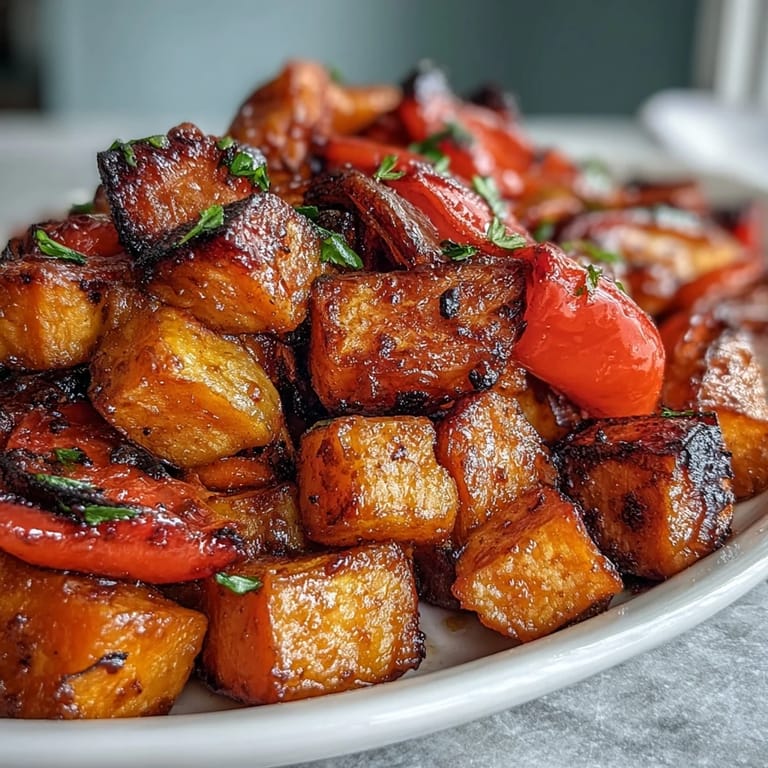
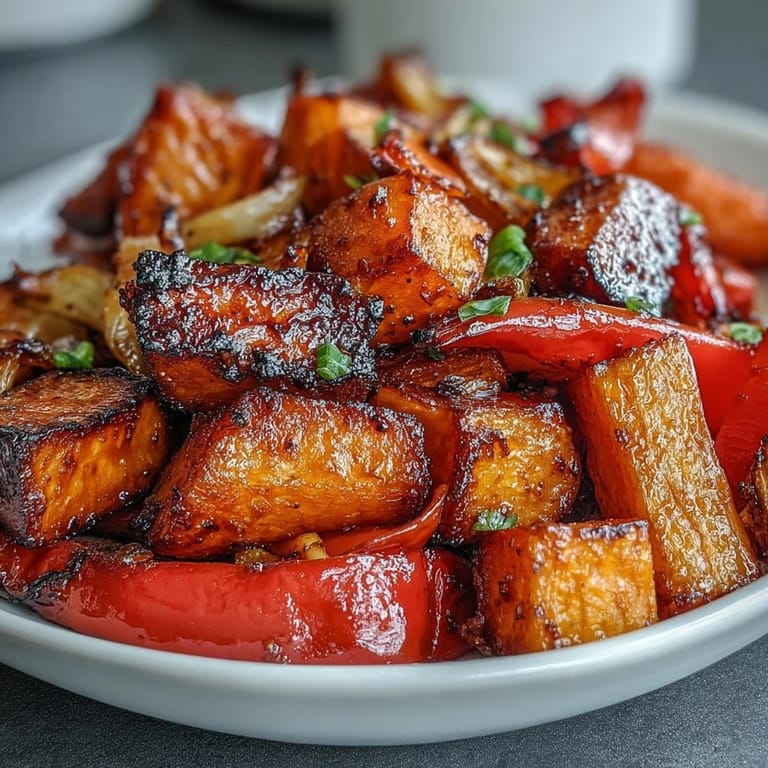
- They're done when the vegetables are golden and tender and the glaze has darkened slightly at the edges. Transfer to a serving dish, scatter sesame seeds and fresh herbs on top, and let them rest for just a minute so the residual heat sets everything.
 Save to Pinterest
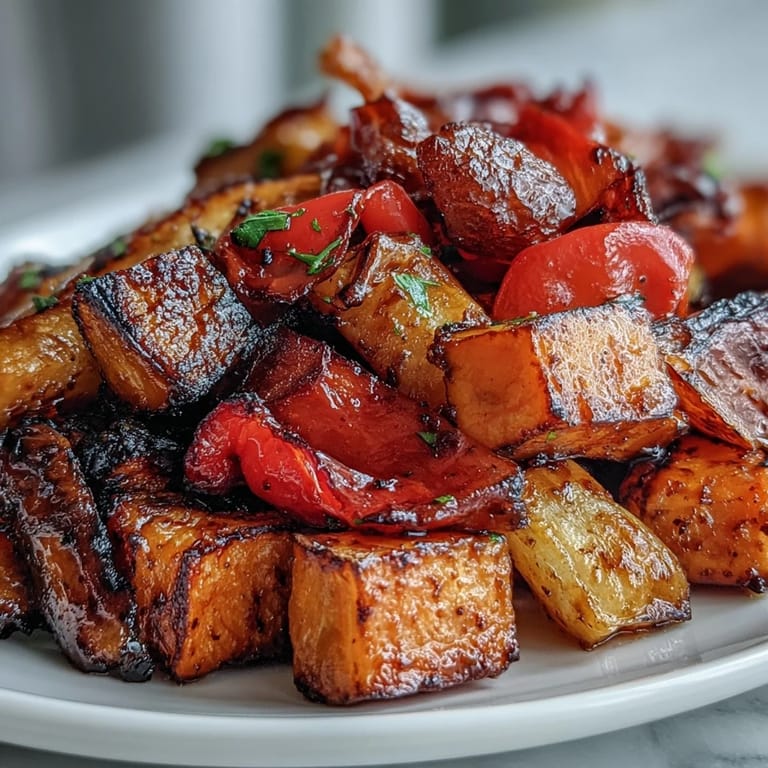
 There's something about watching a pan of vegetables transform under heat, especially when you know the glaze is doing its work, turning each piece shiny and slightly caramelized. My roommate once said this dish made her believe in cooking again after years of takeout, which is maybe the highest compliment a recipe can get.
Vegetables You Can Swap In
This recipe is forgiving in the best way possible. Parsnips get almost buttery, Brussels sprouts develop crispy outer leaves that crackle with umami, cauliflower florets become little golden nuggets, and even tough winter squash softens beautifully. The only rule is don't mix things that need wildly different roasting times—keep everything roughly the same size and you're golden.
Making It Your Own
Some nights I add a splash of white wine vinegar for extra brightness, other times I increase the garlic if I'm feeling bold. One friend swears by adding a pinch of five-spice powder, another tosses in toasted cashews at the end for crunch. The miso-butter base is sturdy enough to handle your creativity without falling apart.
Serving and Pairing Ideas
These vegetables are the side dish that becomes the thing people actually want to eat, so make more than you think you need. They're perfect alongside steamed rice and grilled fish, or laid over crispy tofu, or eaten straight from the pan while you're standing at the counter. They even taste good cold the next day if there are any leftovers, which there usually aren't.
- Serve them while they're still warm so the glaze feels silky on your tongue instead of having set into something sticky.
- If you're cooking for someone with dairy allergies, swap the butter for good quality vegan butter and they won't notice the difference.
- Always taste and adjust—if your miso was salty, go easy on the soy sauce next time, or add a touch more honey if the glaze feels too intense.
 Save to Pinterest
 This recipe has become my go-to when I want to cook something that feels effortless but tastes like you were thinking about it. It's the kind of dish that reminds you why home cooking matters in the first place.
Common Recipe Questions
- → What vegetables work best for miso-butter roasting?
Hearty vegetables that hold their shape during high-heat roasting perform beautifully. Carrots, sweet potatoes, bell peppers, zucchini, red onions, and broccoli create a perfect balance of flavors and textures. Feel free to substitute parsnips, Brussels sprouts, cauliflower, or butternut squash based on seasonal availability.
- → Can I make the miso-butter glaze in advance?
Absolutely! Whisk together the glaze ingredients up to 3 days ahead and store in an airtight container in the refrigerator. Bring to room temperature before using, and if the mixture has solidified, warm it slightly for easier tossing with vegetables.
- → How do I achieve the best caramelization?
Spread vegetables in a single, even layer on your baking sheet without overcrowding. This allows hot air to circulate properly, ensuring edges crisp and caramelize rather than steam. Roasting at 425°F (220°C) creates that perfect golden exterior while keeping interiors tender.
- → Is this dish suitable for meal prep?
Yes! These roasted vegetables reheat beautifully. Store in the refrigerator for up to 4 days in a sealed container. Reheat in a 350°F (175°C) oven for 10-15 minutes to restore crispy edges, or enjoy cold in salads and grain bowls.
- → What makes miso such a great flavor enhancer?
White miso paste brings intense umami—savory, rich depth that elevates simple vegetables. Fermented soybeans create complex, salty-sweet notes that pair perfectly with butter's richness. When roasted, these flavors concentrate and create an irresistible glaze that coats each piece.