 Save to Pinterest
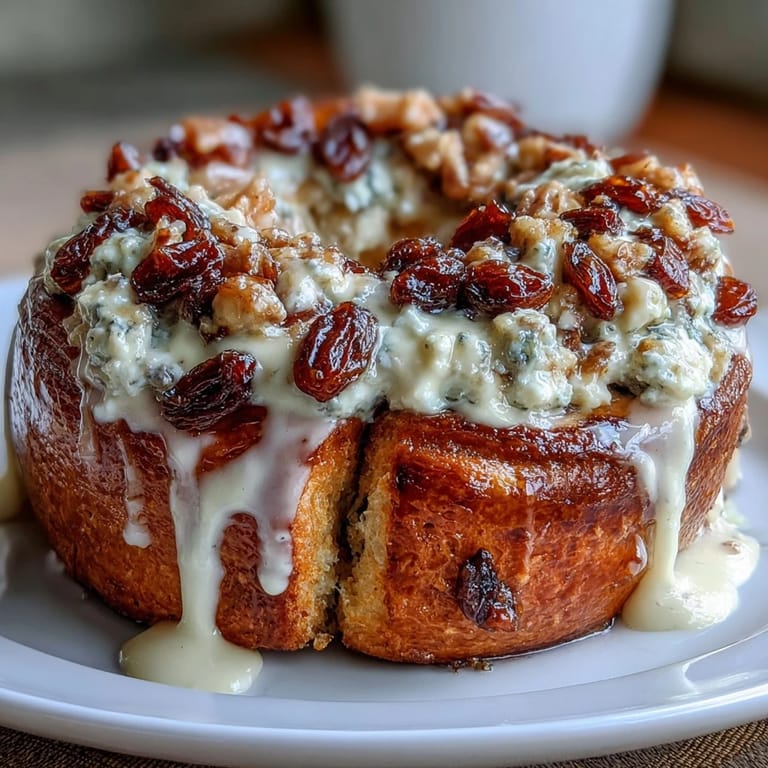
 My kitchen smelled like a cinnamon roll factory the first time I attempted bagels that could actually fuel my mornings instead of just tasting like bread. I'd been chasing the perfect high-protein breakfast that didn't feel like a fitness obligation, and one quiet Saturday, while rearranging my pantry, I spotted that tub of Greek yogurt staring back at me alongside some whey protein I'd forgotten about. What if I could make bagels that tasted indulgent but actually kept me satisfied through my workout? The answer turned out to be simpler than I expected: soft, chewy bagels swirled with cinnamon and raisins, then glazed with something tangy and real.
I made a batch of these for a friend who'd just started running again, and watching her bite into one with that expectant look—the kind people get when they're bracing for something chalky—then break into a genuine smile felt like the whole kitchen effort had paid off. She asked for the recipe before she'd even finished chewing, and that's when I knew these bagels had crossed over from being a personal experiment into something worth sharing.
Ingredients
- Bread flour (3 ½ cups): This is your secret to that chewy bagel texture; all-purpose flour will work but won't give you that satisfying bite.
- Vanilla or unflavored whey protein powder (¾ cup): Vanilla adds subtle sweetness without making the dough taste like a protein shake, but if you only have unflavored, the cinnamon will mask any flavor completely.
- Instant yeast (2 ¼ tsp): One packet is all you need; this amount lifts the dough without making it overproof and collapse.
- Warm water (1 ¼ cups): Too hot kills the yeast, too cold and nothing rises—aim for that 110°F sweet spot where your finger feels comfortably warm.
- Honey or maple syrup (2 tbsp): Feeds the yeast and adds just enough sweetness to balance the cinnamon; skip it and your dough feels flat.
- Ground cinnamon (1 tbsp): Don't skimp here—this is your flavor anchor, and you'll taste every pinch.
- Salt (1 ½ tsp): Holds the gluten structure together; it's not optional.
- Raisins (¾ cup): Plump and soft after baking, they add natural sweetness and chewiness; dried cranberries or chopped dates swap in beautifully if you prefer.
- Water for boiling (2 quarts): This is what makes a bagel a bagel, not just a ring-shaped bread roll.
- Greek yogurt (½ cup): The glaze transforms cooling bagels into something restaurant-quality; use 2% or full-fat for richness.
- Powdered sugar (2 tbsp): Creates the smooth glaze consistency and adds just enough sweetness without overpowering.
- Vanilla extract and cinnamon pinch: These tie the glaze back to the bagel's warm spices, making every bite feel intentional.
Tired of Takeout? 🥡
Get 10 meals you can make faster than delivery arrives. Seriously.
One email. No spam. Unsubscribe anytime.
Instructions
- Wake Up Your Yeast:
- In a large mixing bowl, combine warm water, yeast, and honey and let it sit for 5 minutes until it's foamy and alive. You'll know it's working when you see bubbles and smell that unmistakable yeasty aroma—if it stays flat and quiet, your water was either too hot or your yeast has expired.
- Build Your Dough Base:
- Stir in bread flour, protein powder, cinnamon, and salt, mixing until a shaggy dough forms that starts pulling away from the bowl sides. It should look rough and a little wild at this point, which is exactly right.
- Add the Sweet Raisins:
- Fold in the raisins and knead by hand or with a dough hook for 8 to 10 minutes until the dough becomes smooth, elastic, and springs back when you poke it. If it's too sticky, dust with a little extra flour one tablespoon at a time, but remember that bagel dough should feel slightly tacky—it's not bread.
- Let It Rise:
- Place the dough in a lightly oiled bowl, cover it with plastic wrap or a damp towel, and let it rise in a warm spot for about 45 minutes until it's roughly doubled. A warm oven with the light on, or near a sunny window, works perfectly.
- Preheat and Shape:
- While the dough rises, preheat your oven to 425°F and line a baking sheet with parchment paper. Once the dough is ready, punch it down gently (this is satisfying and necessary), divide it into 8 equal pieces, and shape each into a ball before poking a hole in the center and stretching it into a bagel ring.
- Boil for That Signature Chew:
- Bring 2 quarts of water and 1 tablespoon of honey to a gentle boil in a large pot—this is non-negotiable for authentic bagel texture. Carefully boil your bagels in batches for exactly 45 seconds per side; they should look slightly puffed and feel lighter when you fish them out with a slotted spoon.
- Bake Until Golden:
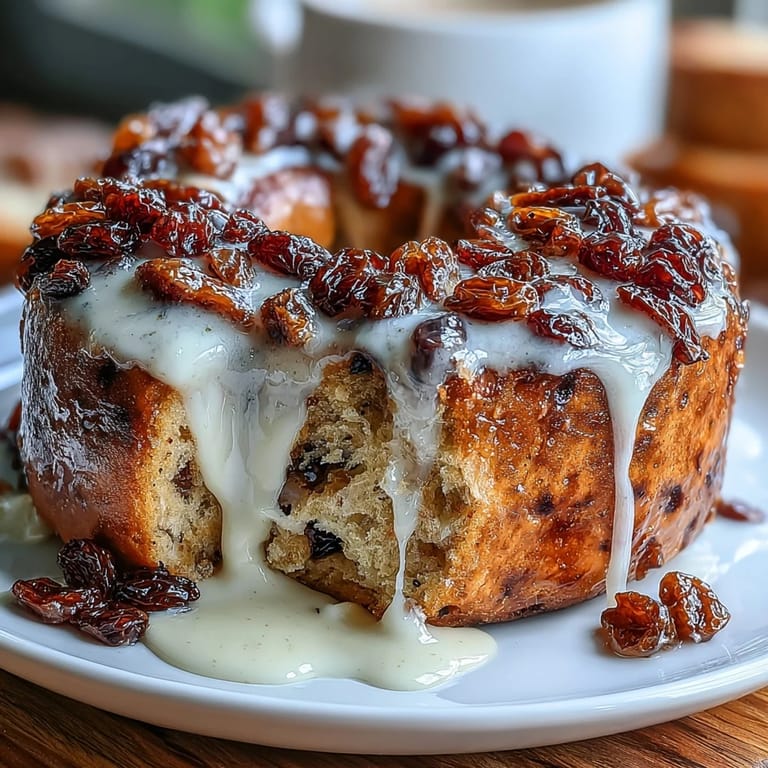
- Place your boiled bagels on the prepared baking sheet and bake for 18 to 20 minutes until they're golden brown and sound hollow when you tap the bottom. Let them cool completely on a wire rack before glazing, or the glaze will melt into puddles.
- Make the Glaze and Finish:
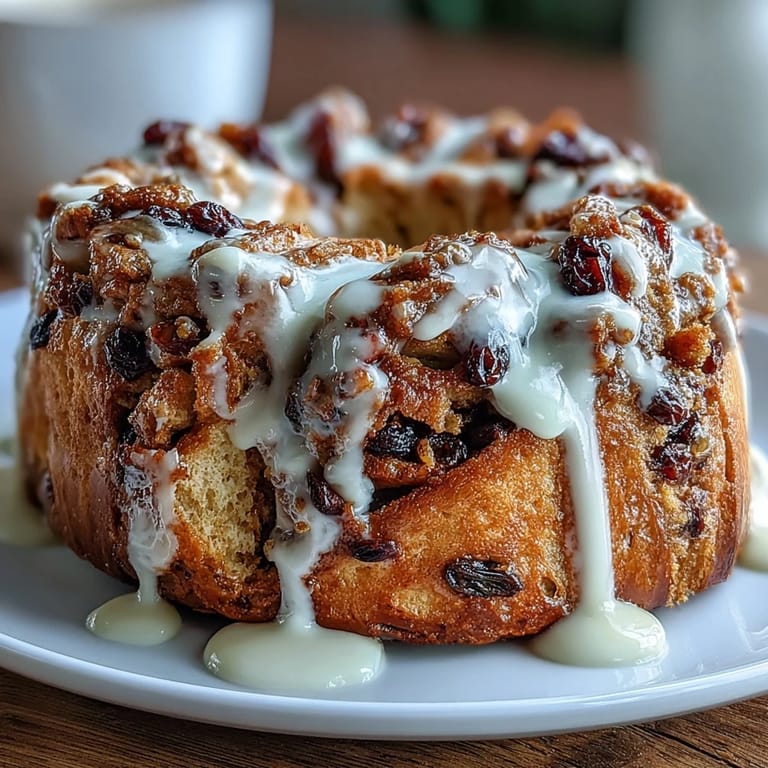
- Whisk together Greek yogurt, powdered sugar, vanilla extract, and a pinch of cinnamon until smooth and pourable. Drizzle the glaze over completely cooled bagels just before serving, and watch it set into a creamy, tangy coating that makes you forget these are actually good for you.
 Save to Pinterest
 The moment that made these bagels real for me wasn't about nutrition or protein numbers—it was Monday morning, watching my partner actually reach for one of these instead of grabbing a granola bar on the way out the door. That small shift, where something healthy became the thing someone genuinely wanted to eat, felt like winning at breakfast.
The Science of Bagel Chew
Bagels live in that magical middle ground between bread and pasta, and it's all because of the boiling step. The brief water bath sets the outside layer of dough before it hits the oven heat, creating that distinctive chewy crust while the inside stays tender and soft. Adding protein powder actually strengthens the gluten network, so these bagels feel more substantial than standard versions and hold their shape beautifully even after a day or two in the freezer.
Customizing Your Bagels
Once you've made these a few times, the formula becomes a playground. I've swapped vanilla protein for chocolate, added cocoa powder, and gone completely savory with everything bagel seasoning—the bagel dough itself is forgiving enough to handle variations while keeping that essential chewy texture. The Greek yogurt glaze is similarly flexible; I've mixed in maple syrup instead of powdered sugar, added a touch of lemon zest, or even stirred in a tiny bit of almond butter for protein without changing the recipe structure.
Storage and Make-Ahead Magic
These bagels actually freeze beautifully, which means you can make a batch on Sunday and have breakfast sorted for half the week. I slice them first, then freeze them in a freezer bag; thawing at room temperature takes about an hour, or you can toast them straight from frozen if you're in a hurry. The glaze should be made fresh the morning you serve them, as it's best bright and creamy, though you can definitely have the ingredients measured and ready the night before.
- Wrap cooled bagels individually in plastic wrap before freezing to prevent them from sticking together and becoming impossible to separate.
- If you're serving these to guests, you can boil and shape the bagels the night before, refrigerate them uncovered on a tray, and bake them straight from cold—they might need an extra minute or two in the oven.
- Keep your glaze consistency in mind: it should drizzle easily but not be so thin it runs off; if it's too thick, whisk in a teaspoon of water at a time.
 Save to Pinterest
 These bagels won't solve breakfast forever, but they'll make you look forward to mornings in a way that most high-protein foods never manage. They're proof that eating well doesn't have to feel like compromise.
Common Recipe Questions
- → What makes these bagels high-protein?
The addition of whey protein powder to the dough increases the protein content while maintaining a soft texture.
- → Why boil bagels before baking?
Boiling the bagels briefly sets their shape and creates a chewy crust once baked.
- → Can I substitute the raisins with other dried fruits?
Yes, chopped dates or dried cranberries make excellent alternatives to raisins.
- → Is it possible to make the glaze dairy-free?
Using coconut yogurt instead of Greek yogurt creates a dairy-free glaze with a similar creamy texture.
- → How should I store the bagels to keep freshness?
Store cooled bagels in an airtight container at room temperature for up to two days or freeze for longer storage.
- → Can I use all-purpose flour instead of bread flour?
Bread flour is recommended for extra chewiness, but all-purpose flour can be used with slightly different texture results.