 Save to Pinterest
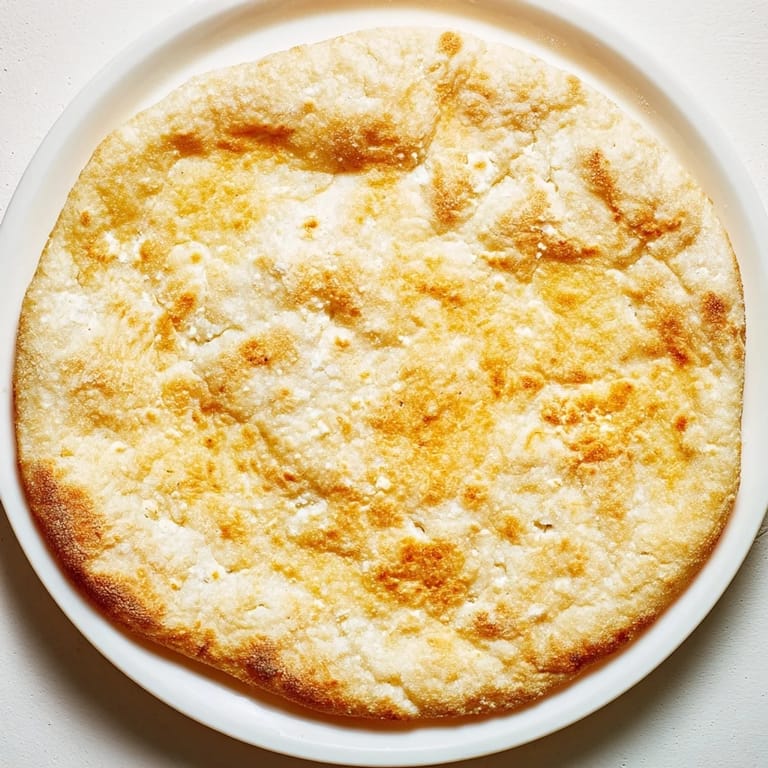
 There's something magical about watching a cottage cheese dough come together—one moment you've got dry flour and yogurt, the next your hands are working something that feels like warm clouds. I discovered these flatbreads during a random Tuesday afternoon when I had Greek yogurt and cottage cheese both threatening to expire, and I refused to let them go to waste. That first golden-brown round hit the pan and puffed slightly at the edges, and I knew I'd stumbled onto something special.
I made these for a small dinner last month when my sister showed up unannounced with ingredients for a board, and these flatbreads became the unexpected star. Everyone kept reaching for more, dunking them in whipped feta and olive tapenade, and I loved watching people's faces when I said they took barely twenty minutes and used cottage cheese. It became one of those moments where the simplest thing you made felt like the biggest win.
Ingredients
- Plain flour (200 g): Use all-purpose unless you prefer bread flour for a chewier bite; the extra protein creates structure without heaviness.
- Greek yogurt (120 g): Full-fat is best because it adds richness, but regular yogurt works if that's what you have on hand.
- Cottage cheese (100 g): The secret weapon that makes these tender; don't skip or substitute with ricotta, as the texture won't be the same.
- Baking powder (1/2 tsp): This gives just enough lift for slight puffing without making them rise like actual bread.
- Fine sea salt (1/2 tsp): Brings out the subtle tang from the dairy and prevents them from tasting flat.
- Olive oil or melted butter (2 tbsp): For cooking; butter gives richer flavor, but olive oil is equally delicious and more forgiving at higher heat.
Tired of Takeout? 🥡
Get 10 meals you can make faster than delivery arrives. Seriously.
One email. No spam. Unsubscribe anytime.
Instructions
- Mix your dry base:
- Whisk flour, baking powder, and salt in a large bowl. This preps everything to distribute evenly when the wet ingredients arrive.
- Bring the dairy together:
- Add yogurt and cottage cheese directly to the bowl and stir with a spoon or your hands until a shaggy, lumpy dough forms. It'll look rough and that's exactly right.
- Knead gently:
- Turn the dough onto a lightly floured surface and work it for about 2 to 3 minutes with your palms until it becomes smooth and holds together. If it sticks to your fingers, dust with a bit more flour, but don't overdo it or they'll toughen.
- Divide and shape:
- Cut the dough into 6 equal pieces and roll each into a ball. This is where you get to be a little rough—they don't need to be perfect.
- Roll to thickness:
- On a floured surface, gently flatten each ball into a round about the size of your palm and about 1/4 inch thick. A rolling pin helps but your hands work too.
- Heat your cooking vessel:
- Set a nonstick skillet or cast iron pan over medium heat. You want it hot enough that a drop of water sizzles immediately, not boils frantically.
- Prepare the pan:
- Brush the hot surface lightly with oil or melted butter. Too much pooling and they'll be greasy; too little and they'll stick.
- Cook first sides:
- Lay one or two flatbreads in the pan depending on size and cook for 2 to 3 minutes. You're looking for golden-brown spots appearing on the underside.
- Flip and finish:
- Turn them over and cook the other side for another 2 to 3 minutes until it also has golden spots and the bread feels firm when you press it gently. You want some give but not sponginess.
- Keep them warm:
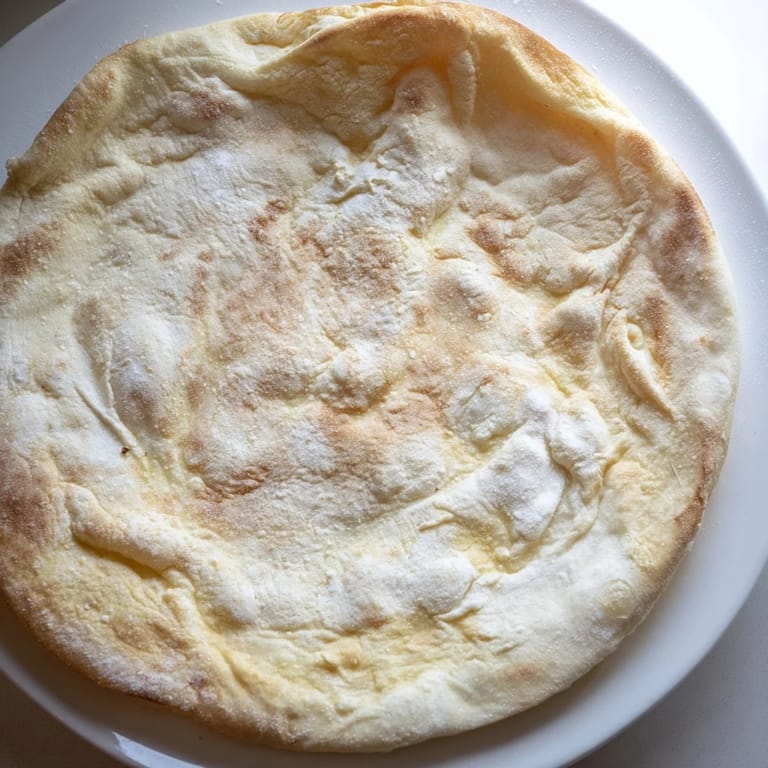
- Transfer cooked flatbreads to a plate and cover loosely with a clean kitchen towel to trap steam and keep them soft. The warmth and moisture help them stay pliable.
- Repeat:
- Continue with remaining dough until all six flatbreads are cooked. Don't rush this step; uneven heat ruins all your work.
 Save to Pinterest
 I remember the quiet satisfaction of stacking warm flatbreads on a plate that Sunday, the kitchen smelling like toasted butter and yogurt, knowing I'd created something that felt both effortless and impressive. It's one of those recipes that restored my faith in simple cooking done well.
Flavor Variations to Try
The plain version is perfect on its own, but these flatbreads love additions stirred into the dough itself. I've mixed in fresh dill and a tiny amount of minced garlic, and they became something you'd serve at a dinner party without apologizing for the simplicity. Chives work beautifully, as does chopped parsley, and if you're feeling brave, a pinch of za'atar or everything bagel seasoning transforms them entirely. The dough absorbs herbs without becoming greasy or overwhelming, and somehow they cook more evenly when there's something to grab onto.
Serving and Storing
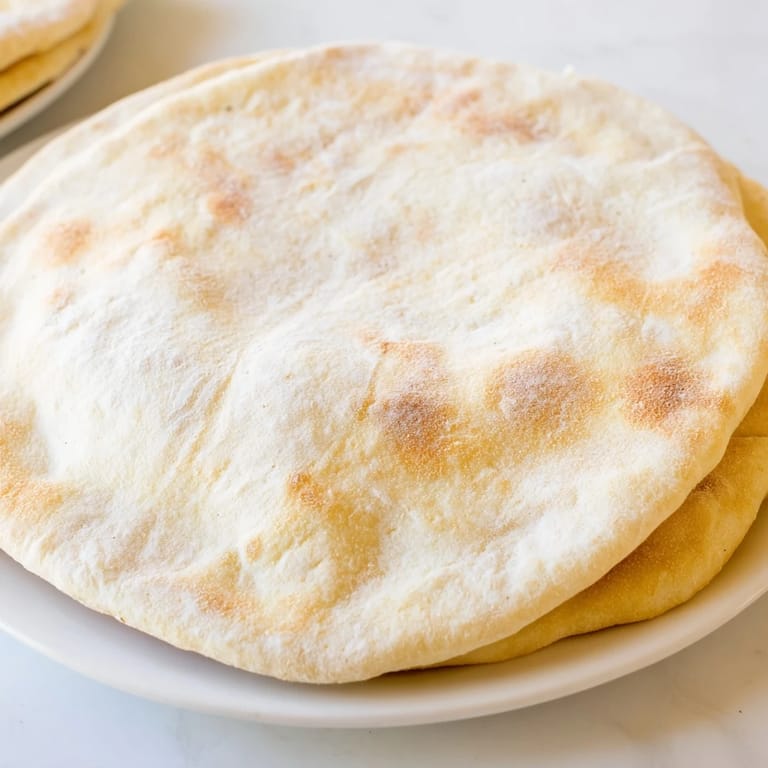
Warm flatbreads are best served within minutes of cooking, draped over a bread basket or tucked into a clean towel. They pair beautifully with soups, dips like hummus or whipped feta, or simply folded around fresh vegetables and soft cheese as a light lunch. If you've made a batch and life happened, store them in an airtight container at room temperature for up to two days, then warm them in a dry pan over low heat for about 30 seconds per side until they're pliable again. They don't refrigerate well because they stiffen, so room temperature storage is your friend.
Why This Works
The magic here is that cottage cheese and yogurt replace both the fat and much of the liquid you'd normally use, creating a tender crumb without butter or eggs. The baking powder adds just enough lift for slight puffing and airiness, while the salt enhances the subtle tang of the dairy and prevents a flat, one-dimensional taste. When you cook them at medium heat, the exterior browns and crisps while the interior stays soft because the moisture from the cottage cheese steams them gently from within.
- Don't use lowfat cottage cheese; the texture suffers and they become dense.
- If your pan is too hot, the outside burns before the inside cooks through, so medium is genuinely the magic temperature.
- A cast iron pan holds heat more evenly than nonstick, but nonstick is easier for beginners—choose what you're confident with.
 Save to Pinterest
 These flatbreads prove that the best recipes are often the ones we create out of necessity and small accidents, not perfectly sourced formulas. Make them once and you'll find yourself making them again and again.
Common Recipe Questions
- → What makes the flatbread tender?
The combination of Greek yogurt and cottage cheese in the dough adds moisture and subtle tang, resulting in a soft and tender texture.
- → How thick should the flatbreads be rolled?
Roll each portion about 5–6 mm thick, ensuring even thickness for consistent cooking and a chewy texture.
- → What cooking fat works best for pan-frying?
Olive oil or melted butter can be used to brush the pan, adding flavor and helping achieve golden, crisp spots on the flatbreads.
- → Can herbs be added to the dough?
Yes, chopped parsley, chives, dill, or minced garlic can be incorporated into the dough for extra aroma and taste.
- → How should flatbreads be stored after cooking?
Store in an airtight container and reheat gently in a dry pan to preserve softness and flavor.