 Save to Pinterest
 My kitchen smelled like a spice bazaar the afternoon I first made shawarma at home, and honestly, I was just trying to recreate that incredible wrap I'd devoured at a food truck downtown. The combination of warm spices and that garlicky sauce hit differently when I realized I could make it myself in under two hours. My partner walked in mid-marinade and asked what smelled so good, and by dinner, we were both wrapping strips of golden chicken like we'd been doing it for years. It became our go-to when we wanted something restaurant-quality without leaving the house.
I still remember the first time I made this for my sister's book club gathering, and everyone kept asking for the recipe as if I'd been secretly trained in a Middle Eastern kitchen. What they didn't know was that I'd set a timer and basically monitored everything nervously, but the flavors spoke for themselves. That night, shawarma went from being a restaurant dish to something I felt confident serving at my table, which changed how I approached cooking altogether.
Ingredients
- Olive oil: This is your binding agent for the spices, so don't skip it or use a weak one—good quality olive oil carries all those warm flavors right into the chicken.
- Ground cumin: The backbone of the entire dish; it's earthy and slightly warm, and it's what makes people ask what that amazing flavor is.
- Paprika (smoked optional): Regular paprika adds color and sweetness, but smoked paprika gives you that subtle depth that feels more authentic.
- Ground turmeric: This is optional, but I never skip it because it brings a subtle warmth and golden color that makes the chicken look restaurant-worthy.
- Ground coriander: Floral and subtle, it softens the heavier spices and adds complexity without being obvious.
- Ground cinnamon: Just a teaspoon creates a warm undertone that somehow ties everything together in a way that feels magical.
- Fresh minced garlic: Pre-minced garlic loses its punch, so I always mince it fresh right before mixing the marinade.
- Lemon juice: Acid is essential here because it tenderizes the chicken and brightens all those spices so they don't feel heavy.
- Chicken thighs: If you've been using only breasts, this is your moment to switch—thighs have more fat, so they stay juicy and flavorful no matter how long you cook them.
- Mayonnaise or Greek yogurt: Mayo creates that rich, creamy sauce, but Greek yogurt works beautifully if you want something lighter without sacrificing that luxurious feel.
Tired of Takeout? 🥡
Get 10 meals you can make faster than delivery arrives. Seriously.
One email. No spam. Unsubscribe anytime.
Instructions
- Mix your spice paste:
- Whisk together the olive oil, cumin, paprika, turmeric, coriander, cinnamon, minced garlic, lemon juice, salt, and pepper in a large bowl until it looks like a fragrant, oily paste. This is where the magic begins—you should smell warm spices and fresh garlic coming together.
- Coat the chicken completely:
- Add your chicken to the bowl and make sure every surface is slicked with that spice mixture; I like to use my hands to rub it in because you'll catch any spots you missed. If you have time, cover and refrigerate for at least thirty minutes, though overnight transforms it into something even more special.
- Get your pan screaming hot:
- Heat a grill or non-stick pan over medium-high heat and add just a touch of oil to prevent sticking. You want it hot enough that the chicken sizzles the moment it touches the surface.
- Cook with confidence:
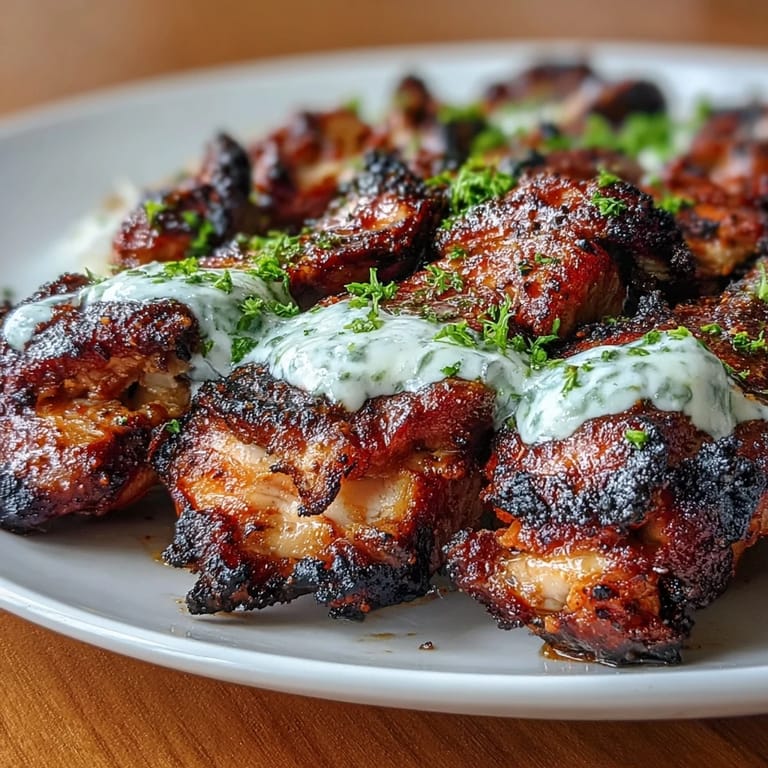
- Place the chicken pieces in the pan and let them sit for five to seven minutes per side until golden brown and the internal temperature hits 165°F. Don't move them around constantly or you'll break that gorgeous crust.
- Rest and slice:
- Transfer the chicken to a plate and let it rest for five minutes before slicing into strips or bite-sized pieces. This resting period keeps all those juices inside where they belong.
- Make the garlic sauce:
- Whisk together mayonnaise or Greek yogurt, minced garlic, lemon juice, and a pinch of salt in a small bowl. Taste as you go and adjust the seasoning—some days you'll want more garlic, other days more lemon.
- Bring it all together:
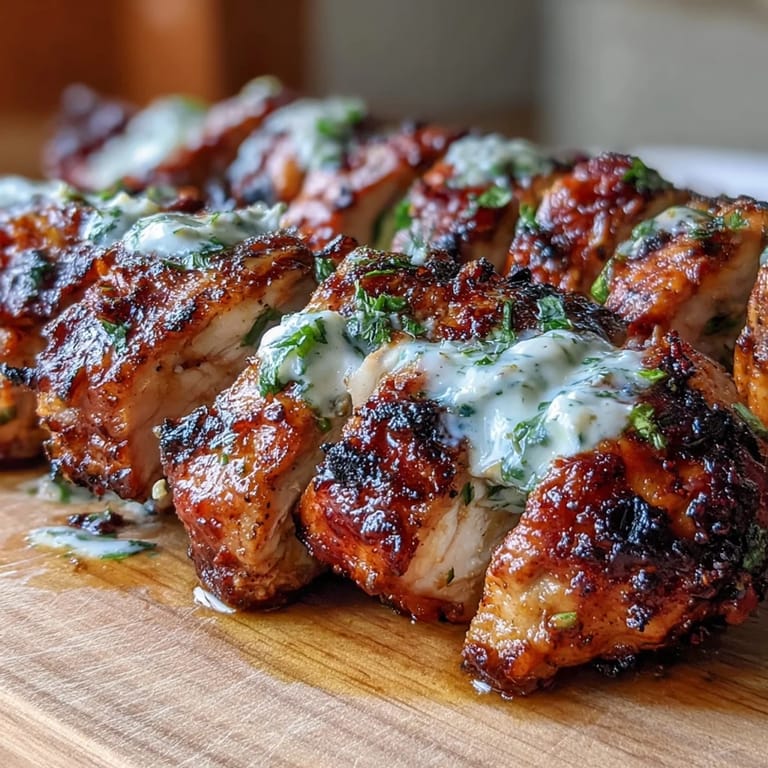
- Arrange your chicken on pita bread, a plate, or inside lettuce wraps, drizzle generously with the garlic sauce, and pile on fresh vegetables and herbs. This is where everything comes alive.
 Save to Pinterest
 There's something about serving this at a casual dinner that makes everyone feel like they're at a special restaurant, except they're sitting at your kitchen table and you're the one who made the magic happen. That feeling of watching people enjoy something you created never gets old, and this dish delivers it every single time.
The Power of Marinating
I learned through trial and error that marinating isn't just about flavor—it's about texture and juiciness too. When I first made this, I used a thirty-minute marinade and the chicken tasted good but felt slightly dry. The next time, I marinated overnight and suddenly the same cut of chicken tasted like it came from a completely different bird. The acid from the lemon juice and the oil from the marinade seep into the meat slowly, transforming it at a cellular level that happens best when you have time and patience.
Spice Ratios and Your Palate
Every time I make this, I taste the marinade before the chicken goes in because spices can vary in intensity depending on their age and quality. I've had batches of cumin that were bold and assertive, and others that were almost whisper-quiet, which completely changes how the dish comes together. If your spices have been sitting in the cabinet for a year, they're probably less potent, so you might want to increase the quantities slightly. Trust your nose—if the paste doesn't smell bold and complex, add a bit more of what feels missing.
Serving Strategies and Variations
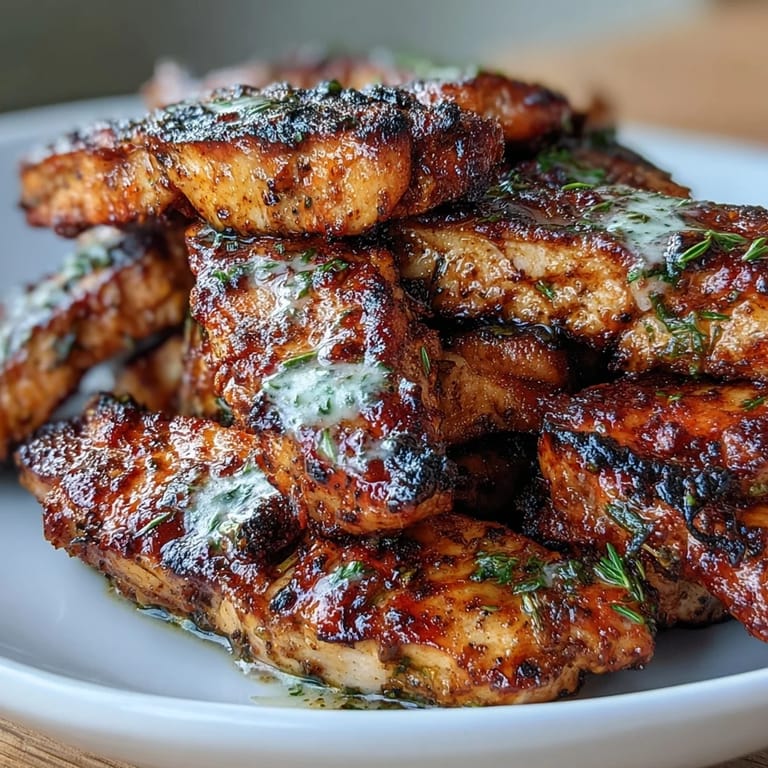
The beauty of shawarma is that it's endlessly flexible, which is why it became my go-to answer when I can't decide what to cook. I've served it wrapped in pita, heaped on salad, tucked into lettuce leaves for a low-carb version, and even as a grain bowl with rice underneath. One night I added pickled red onions and suddenly the whole dish felt brighter and more complex. The garlic sauce works with everything, so once you make it, you'll find yourself using it on sandwiches, as a dip, or drizzled over roasted vegetables.
- Try serving on a bed of rice or roasted vegetables for a heartier, grain-based meal.
- Add pickled vegetables or fresh herbs like parsley and cilantro to brighten the richness of the sauce.
- For a spicy kick, sprinkle sumac or chili flakes over the top just before serving.
 Save to Pinterest
 This dish became my answer to the question, what's for dinner when you want something that feels special but doesn't require special skills. Every time I make it, I'm reminded that sometimes the best meals come from understanding a few key techniques and letting good ingredients do most of the work.
Common Recipe Questions
- → What spices are used in the chicken marinade?
The marinade combines olive oil, ground cumin, paprika, turmeric, coriander, cinnamon, garlic, lemon juice, salt, and pepper to create a rich, aromatic flavor.
- → Can different cuts of chicken be used?
Boneless, skinless chicken thighs are preferred for juiciness, but breasts can also be used for a leaner option.
- → How can the garlic sauce be adjusted for lighter taste?
Replace mayonnaise with Greek yogurt to lighten the sauce while maintaining its creamy texture and tang.
- → What are suitable serving suggestions?
The chicken and garlic sauce pair well with pita bread, fresh cucumbers, tomatoes, red onion, and herbs like parsley or cilantro.
- → How long should the chicken marinate for best flavor?
Marinating for at least 30 minutes is recommended, but overnight marination deepens the flavor dramatically.