 Save to Pinterest
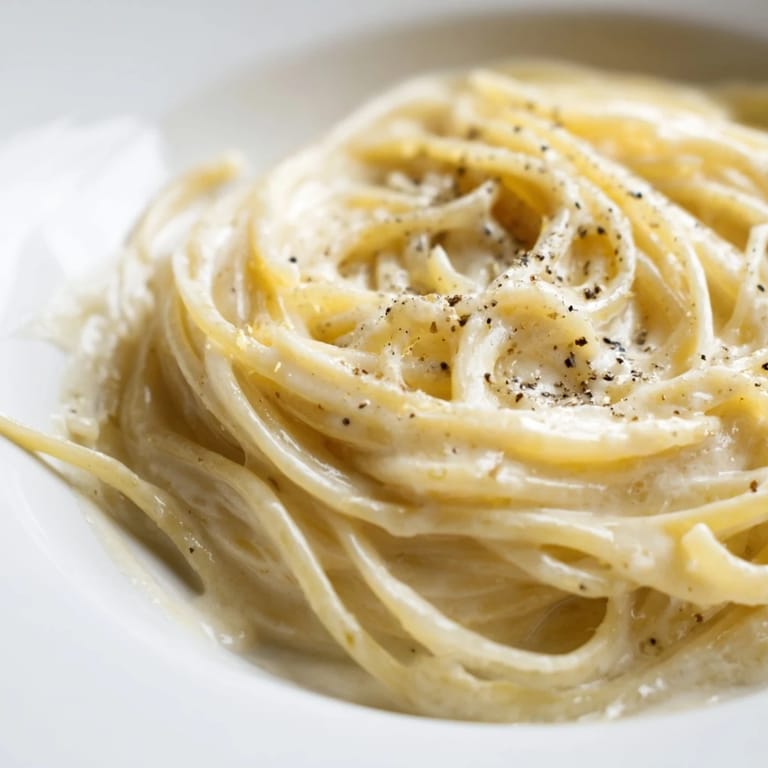
 There's something magical about standing in front of your pantry at 6 PM with absolutely nothing planned for dinner, and realizing you have exactly what you need: pasta, butter, and cheese. This three-ingredient pasta saved me more times than I can count—during chaotic work weeks, unexpected guests, late study sessions, or just those nights when cooking felt like too much. The first time I made it was pure accident; I'd burned the garlic I was planning to use, panicked, and decided to just skip it entirely. What emerged from that pot was silky, luxurious, and somehow more elegant than the dish I'd originally intended. Now it's become my go-to when I want something that feels impressive but requires almost no energy.
I made this for my roommate on a Tuesday night when she came home looking absolutely defeated, and watching her take that first bite and immediately brighten up reminded me why simple food matters. She asked for the recipe thinking there had to be some hidden step I'd forgotten to mention, and I loved being able to say, "Nope, that's literally it." We've made it together countless times since, often as a midnight snack or the easiest way to feed friends who drop by unexpectedly.
Ingredients
- Dried pasta (200 g): Any shape works, though longer noodles like spaghetti or linguine let you really feel that creamy sauce coat every bite—fettuccine is particularly forgiving if you're new to this.
- Unsalted butter (50 g): This is your base, and using real butter (not spread or oil) makes a real difference in that silky texture; salted butter works too if you taste and adjust seasoning at the end.
- Freshly grated Parmesan (60 g): Grate it fresh right before cooking—the pre-grated stuff has anti-caking agents that prevent it from melting into that creamy dreamscape.
- Pasta water (60–80 ml): This starchy liquid is secretly the magic ingredient that transforms butter and cheese into actual sauce.
- Salt and black pepper: Season generously at the end; the pasta water carries salt, but you'll likely need more.
Tired of Takeout? 🥡
Get 10 meals you can make faster than delivery arrives. Seriously.
One email. No spam. Unsubscribe anytime.
Instructions
- Get the water boiling:
- Fill a large pot with water, add enough salt so it tastes like the sea, and let it come to a rolling boil—this is where all your seasoning happens. The pasta will cook in about 8–12 minutes depending on the shape.
- Cook pasta to al dente:
- Stir it once when it hits the water so nothing sticks, then let it cook according to package directions but check a minute or two early. You want it tender but with just a tiny bit of resistance when you bite it.
- Save the liquid gold:
- Before draining, scoop out about 150 ml of that starchy cooking water into a measuring cup or bowl—this is what makes the whole thing work. Then drain the pasta completely.
- Combine off the heat:
- Return the hot pasta to the empty pot (important: off heat), add the butter in chunks, and toss constantly for about 30 seconds until it melts completely and coats every noodle. This is when the magic starts.
- Add cheese and water:
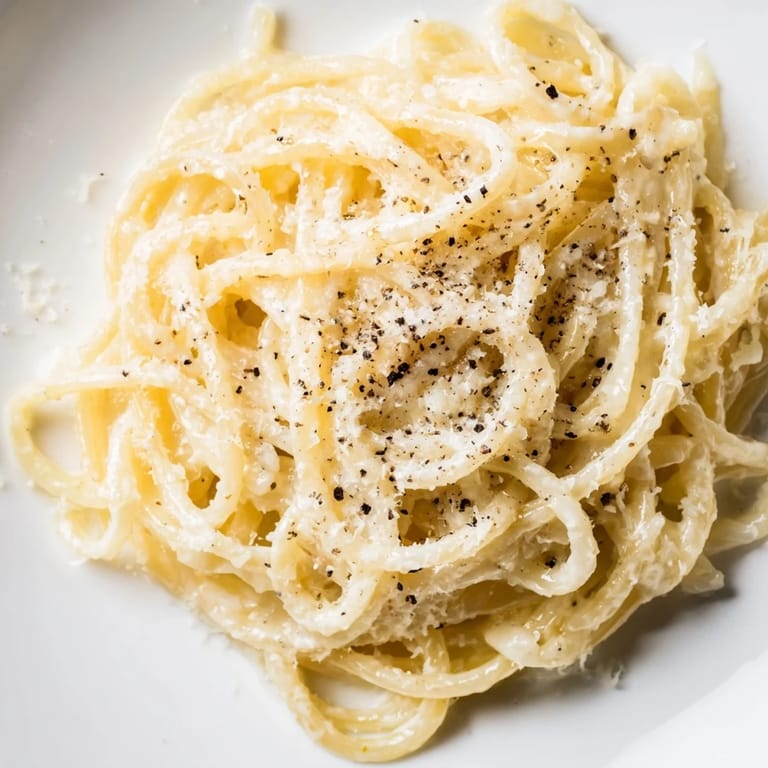
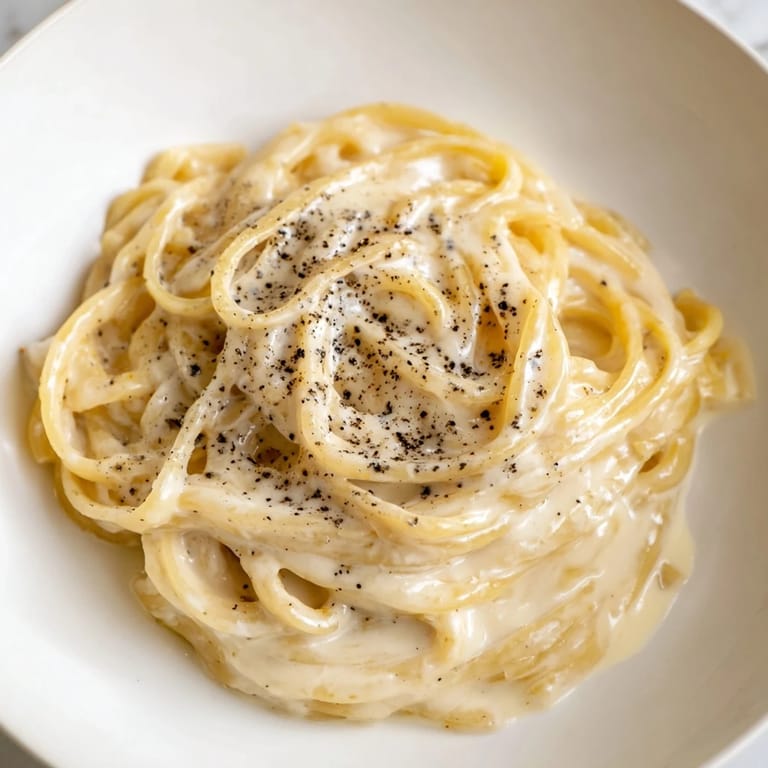
- Sprinkle the grated Parmesan over the buttery pasta and pour in about 60 ml of that reserved pasta water, then toss vigorously for a full minute—it'll look loose at first, but keep going and it'll turn into an actual creamy sauce. Add more pasta water if you need it to be looser.
- Season and serve:
- Taste it, adjust salt and pepper, and serve immediately while it's at peak creaminess. A tiny shower of extra Parmesan on top is never wrong.
 Save to Pinterest
 There was a moment during a cooking video call with a friend in another time zone when she made this while I watched, and the look of pure joy on her face when that creamy sauce came together made me realize this recipe wasn't really about the ingredients—it was about proof that something satisfying and real doesn't require stress or complexity. Now it's become our comfort dish, the one we make when we want to feel like we've actually cooked something, but without any of the fuss.
Why This Recipe Actually Works
The entire magic of this dish lives in one scientific truth: pasta starch is an emulsifier, meaning it helps butter and cheese combine into something creamy and cohesive instead of separating into greasy clumps. When you toss hot pasta with cold butter, the residual heat melts the butter; the Parmesan dissolves into tiny particles; and the starch-filled pasta water brings it all together into a sauce that clings to every strand. It's the principle behind the most famous Italian pasta dishes (cacio e pepe and carbonara both use this exact trick), simplified to its absolute bones. No cream, no flour, no complicated technique—just understanding that this works because of chemistry, not luck.
Variations Worth Trying
Once you've mastered the basic three-ingredient version, the door opens to endless tiny tweaks that feel like complete different dishes. A small pinch of nutmeg (seriously, just a whisper) adds unexpected warmth; a handful of fresh herbs like parsley or basil stirred in at the end brings brightness; a crack of red pepper flakes gives heat; and swapping even half of the Parmesan for Pecorino Romano instantly makes it sharper and more intense. I've also added a beaten egg off the heat to make it richer and more carbonara-like, though that technically makes it four ingredients and requires careful timing so the egg doesn't scramble. The beauty is you can experiment once you know the base works.
Timing and Scaling Tips
This recipe is written for 2 generous servings, but it scales beautifully up or down depending on who you're feeding and what else is on the table. The ratio to remember is roughly 1 part Parmesan to 1 part butter, using about 100g dried pasta per person and always reserving a generous cup of pasta water to work with. If you're doubling the recipe, the timing stays the same—everything still comes together in the same window—but you might need to work in batches or use a bigger pot. Cold weather is irrelevant (this isn't an outdoor dish), but having all your ingredients measured and ready before the pasta even goes in the water makes the final five minutes feel effortless instead of stressful.
- Keep pasta water handy in a separate container once drained—you'll need it immediately and can't run back for it once tossing starts.
- Use a large pot and tongs or a pasta fork for tossing; crowding the pot or using a regular spoon makes it harder to coat everything evenly.
- If the sauce looks too thick at the end, add pasta water one splash at a time rather than dumping it all in at once.
 Save to Pinterest
 This is the recipe I return to when I want to remind myself that the best cooking isn't about impressive ingredients or complicated techniques—it's about understanding a few simple things so well that you can execute them perfectly, every single time. It's become proof that sometimes the simplest food is the most satisfying.
Common Recipe Questions
- → What is the best pasta type to use?
Long pasta varieties like spaghetti, linguine, or fettuccine work best to hold the creamy sauce evenly.
- → Can I substitute the Parmesan cheese?
Yes, Pecorino Romano offers a sharper flavor and can be used as an alternative to Parmesan.
- → Why is pasta water used in the sauce?
The starchy pasta water helps emulsify butter and cheese, creating a smooth, creamy consistency without cream.
- → How do I make the sauce creamier?
Add reserved pasta water gradually while tossing the pasta until you reach the desired silky texture.
- → Can I add extra flavor to this dish?
Freshly grated nutmeg or chopped herbs like parsley can enhance the flavor while keeping it simple.