 Save to Pinterest
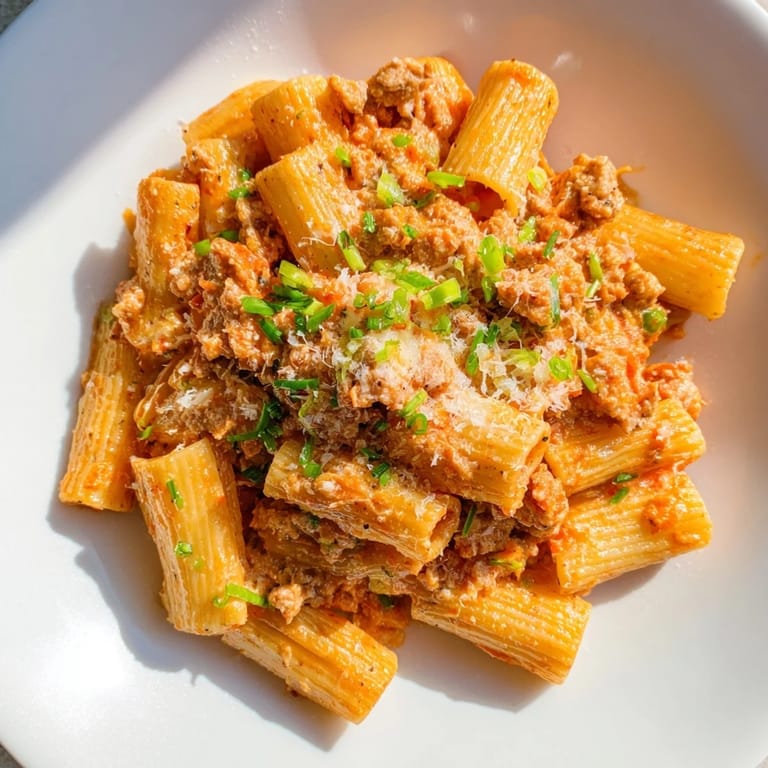
 I discovered this dish completely by accident one rainy Wednesday when I had leftover kimchi taking up half my fridge and a craving for something creamy and comforting. Instead of tossing it, I thought: what if Korean spice met Italian warmth? The result was chaotic in the best way—a steaming bowl of pasta coated in a ragu that tasted like two completely different cuisines decided to become friends, and somehow it just worked.
The first time I served this to friends who are adventurous eaters, there was this beautiful moment of confusion on their faces before they took a second bite and just nodded silently. Nobody could quite name what they were tasting—that's the magic of fusion cooking when it actually works instead of feeling forced.
Ingredients
- Ground pork (300 g): The blank canvas for this sauce; beef works just as well if that's what you have, or split the difference for extra depth.
- Napa cabbage kimchi (200 g, chopped): This is the star—don't skip it or substitute with just gochugaru; the actual fermented kimchi brings funk and funk brings flavor.
- Kimchi juice (2 tbsp): Liquid gold; it carries all those fermented, spicy notes into the sauce.
- Onion, carrot, celery (1 medium, 1 medium, 1 stalk): The holy trinity that gives the ragu body and sweetness to balance the heat.
- Garlic (2 cloves, minced): Add it after the softer vegetables so it doesn't burn and turn bitter.
- Crushed tomatoes (400 g can): Full-fat canned tomatoes with their juice; they're more reliable than fresh here.
- Heavy cream (120 ml): What makes this creamy rather than just saucy; plant-based alternatives work if you need them.
- Soy sauce (1 tbsp): Deepens the umami without making it taste overtly Asian; go easy if you're salt-sensitive.
- Gochugaru (1 tsp, optional): Korean chili flakes add warmth and color; the kimchi already brings spice, so this is really optional unless you want more heat.
- Olive oil (2 tbsp): Medium heat cooking oil; regular is fine, don't waste your good stuff.
- Sugar (1 tsp): Balances acidity; you'll be surprised how much it helps.
- Rigatoni or penne (350 g): Shapes with ridges or tubes catch the sauce better than smooth pasta.
- Scallions (2 tbsp, chopped) and Parmesan (25 g): Fresh brightness and salty finish; both are optional but worth it.
Tired of Takeout? 🥡
Get 10 meals you can make faster than delivery arrives. Seriously.
One email. No spam. Unsubscribe anytime.
Instructions
- Build the soffritto base:
- Heat oil in your largest skillet over medium-high heat, then add onion, carrot, and celery. Let them get soft and lightly golden, about 5 minutes—you want them to release their sweetness into the oil. This is where patience pays off.
- Bloom the garlic:
- Stir in minced garlic and wait just 1 minute, breathing in that sharp, fragrant smell. Any longer and it'll burn and taste acrid instead of sweet.
- Brown the meat:
- Crumble in the ground pork and cook it hard, breaking it into small pieces as it browns, about 6–7 minutes. Don't rush this; you want color and texture, not just cooked-through meat.
- Add the kimchi:
- Stir in the chopped kimchi and its juice, then sauté for 3–4 minutes so the kimchi softens and releases all its fermented character into the oil around the meat. This is when your kitchen will smell absolutely wild in the best way.
- Simmer the sauce:
- Pour in the crushed tomatoes, soy sauce, gochugaru if using, and sugar. Season with salt and pepper, then let it bubble gently for 15–20 minutes uncovered, stirring now and then. The sauce should thicken visibly and deepen in color—that's when it's ready.
- Cook the pasta:
- While the ragu simmers, get a big pot of salted water boiling and cook your pasta until al dente, usually about 2 minutes before the box says. Drain it but save about 100 ml of that starchy water—it's your secret weapon for a silky sauce.
- Finish creamy:
- Lower the heat under the ragu to low, then pour in the heavy cream and about half the pasta water. Stir gently until everything becomes lush and creamy, tasting as you go to adjust salt and spice.
- Marry it all together:
- Add the cooked pasta to the ragu and toss it around, adding more pasta water in small splashes if it feels too thick. The goal is a silky coating, not a soup—think of it as the sauce clinging to each piece.
- Plate and celebrate:
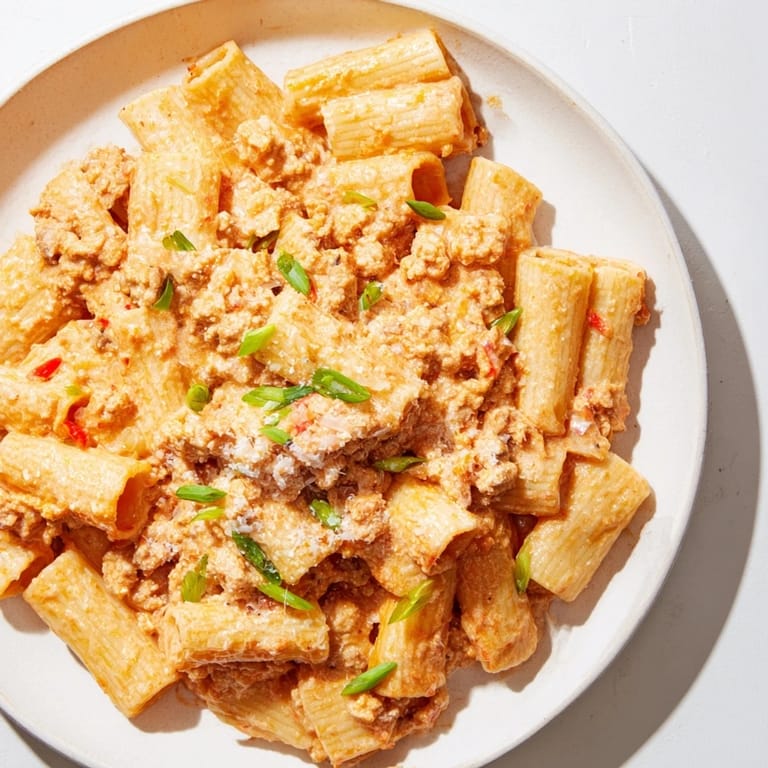
- Serve hot into bowls or onto plates, scatter scallions on top for brightness, and grate Parmesan over if you like. Taste one bite and feel pleased with yourself.
 Save to Pinterest
 There's something almost meditative about standing at the stove while this comes together, watching the tomato sauce darken as it simmers and thickens, the kitchen filling with this scent that doesn't quite smell Italian or Korean but somehow both. That's the moment you know it's going to be good.
Balancing Spice and Comfort
The beauty of this dish is that it doesn't have to be fiery—the kimchi brings all the funk and some heat, but the cream and tomatoes soften it into something almost gentle. If you're cooking for people who are heat-averse, start with less kimchi and skip the gochugaru entirely; you can always add more spice at the table with a shaker of chili flakes or hot sauce. The other direction works too: if your crowd wants to sweat a little, double the gochugaru and use the spicier kimchi you can find.
Why This Works as Fusion
Fusion cooking fails when it feels like two recipes arguing with each other, but this works because both Italian ragu and Korean stews are built on the same idea: long, slow cooking that melds flavors together. The kimchi doesn't fight the tomato; it finds harmony with it through soy sauce and cream. It's less "let's add weird ingredients" and more "what if these two cultures had always been cousins."
Stretching It and Making It Your Own
Leftover ragu is better the next day when the flavors have married overnight, so if you can make this ahead, do it and gently reheat it with fresh pasta. You can also freeze the sauce without the cream—add the cream after you thaw and reheat it. Coconut cream is genuinely delicious here if you're dairy-free, adding a subtle sweetness that plays nicely with the spice. And if you have vegetables in the crisper that are getting tired—mushrooms, zucchini, bell peppers—chop them small and add them when you add the meat; they'll cook down into the sauce.
- A splash of red wine added when you simmer the tomatoes makes it taste even more like real ragu.
- If you can't find proper Korean kimchi, use any fermented cabbage you can find, or ask at a Korean grocery if they have cheaper jars in the back.
- Leftover pasta with cold ragu stirred through it is unexpectedly good the next day as lunch.
 Save to Pinterest
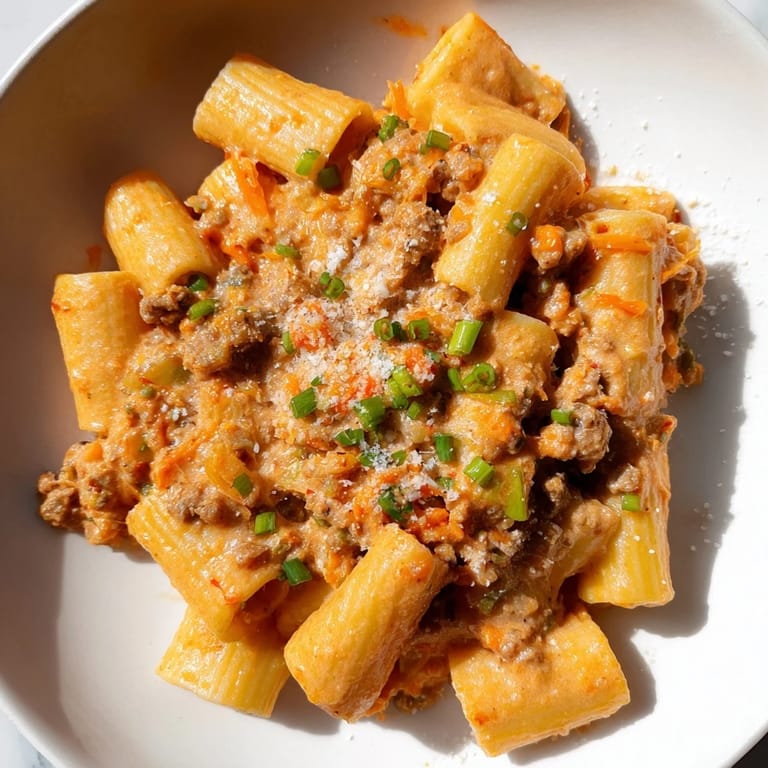
 This dish has become my answer to the question of what to cook when I want something that feels impressive but isn't fussy. It's the kind of food that brings people together because it's unexpected and warm and deeply, honestly delicious.
Common Recipe Questions
- → Can I substitute ground pork with other meats?
Yes, ground beef or a 50/50 blend of pork and beef work well for a rich, meaty ragu.
- → How do I control the spice level in this dish?
Adjust the amount of kimchi, kimchi juice, and optional gochugaru chili flakes to taste for milder or spicier results.
- → What pasta types work best here?
Short pasta like rigatoni or penne hold the sauce nicely, but other tubular pasta can be used as preferred.
- → How can I make this dish dairy-free?
Use unsweetened plant-based cream alternatives and omit Parmesan or replace with vegan cheese.
- → Is it possible to make a vegetarian version?
Yes, replace ground meat with plant-based substitutes and skip the Parmesan or use a vegan alternative for similar depth.
- → What is a good wine pairing?
Try a chilled Lambrusco or fruity Riesling to complement the spicy and creamy flavors.