 Save to Pinterest
 There's a Tuesday night I'll never forget when I opened my pantry, exhausted after work, and found nothing but a can of tomato sauce, a stick of butter, and a vague memory of my nonna mentioning that the best sauces often hide in the simplest ingredients. Ten minutes later, I was stirring something so silky and rich that my roommate actually paused mid-scroll to ask what smelled incredible. That was the moment this sauce stopped being a shortcut and became something I genuinely crave.
I made this for someone who claimed to hate marinara, convinced nothing could compete with what they grew up eating. Watching their face soften mid-bite—that moment when they stopped talking and started really tasting—made me realize that sometimes the best food isn't about complexity, it's about respect for what you're working with.
Ingredients
- Tomato sauce (2 cups): The foundation of everything; plain and unsalted means you're in control of the flavor story, not a factory.
- Unsalted butter (3 tablespoons): This is the magic wand—it emulsifies into the tomato and creates that restaurant-quality creaminess without any cream.
- Garlic powder (1 teaspoon): It distributes evenly and builds warmth throughout the sauce instead of leaving garlic chunks that bite back.
- Salt and black pepper (½ teaspoon and ¼ teaspoon): Taste as you go; every tomato sauce batch has its own personality.
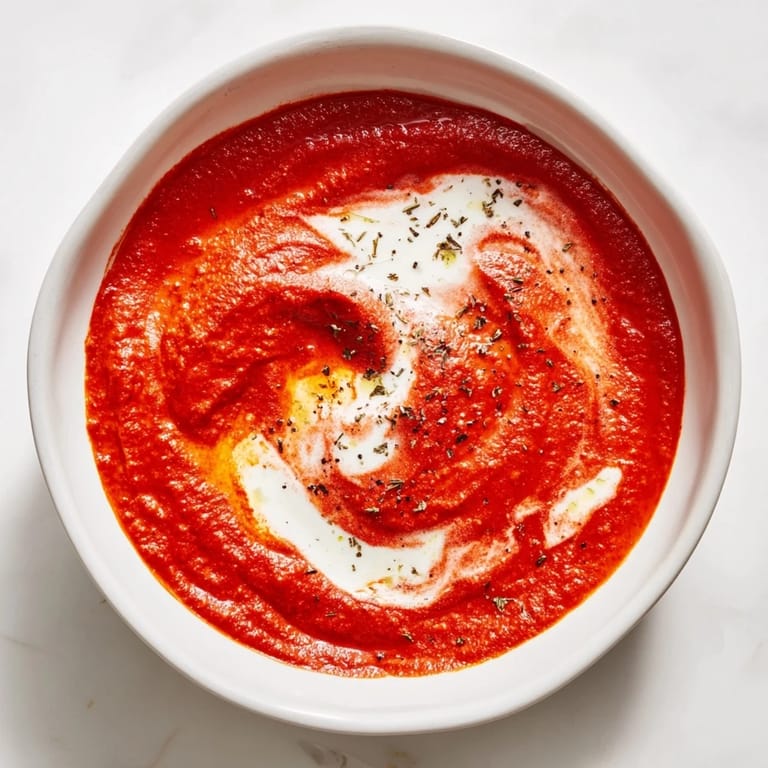
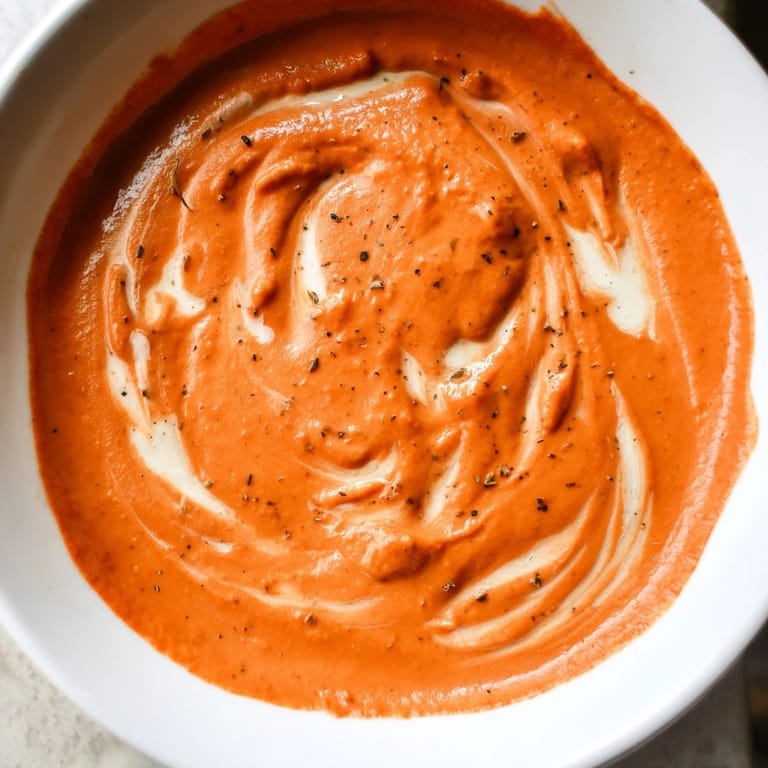
- Heavy cream (1 tablespoon, optional): For when you want to push the sauce into pure indulgence territory.
- Dried Italian herbs (1 teaspoon, optional): Basil and oregano add earthiness without overpowering the tomato's natural sweetness.
Tired of Takeout? 🥡
Get 10 meals you can make faster than delivery arrives. Seriously.
One email. No spam. Unsubscribe anytime.
Instructions
- Bring it together:
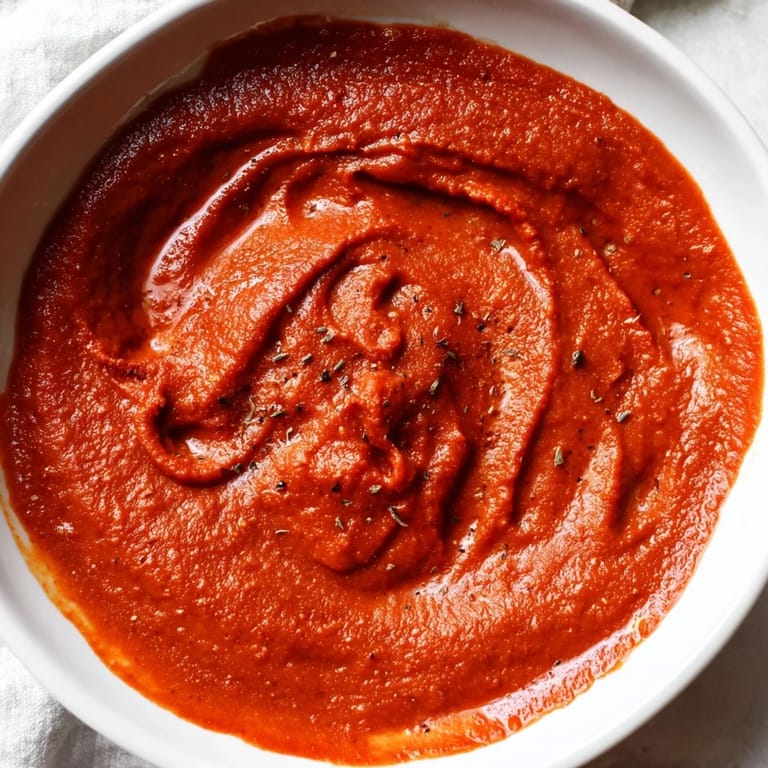
- Pour the tomato sauce into a medium saucepan over medium heat, then cut the butter into small pieces and drop them in. The butter will start to foam gently as it melts, and you'll notice the sauce changing color already—it gets deeper, richer, almost luxurious.
- Let it marry:
- Stir occasionally and let everything simmer for about 5 minutes; you're not rushing this part. The butter needs time to fully emulsify into the tomato, and that's when the magic happens.
- Season it right:
- Add the salt and black pepper, stir well, then pause and taste a small spoonful. This is your chance to adjust—tomato sauces vary, so trust your palate more than the recipe.
- Make it yours (optional):
- If you want richness, stir in the heavy cream now; if you want depth, add the dried herbs. Either choice takes this sauce in a different direction.
- Finish the simmering:
- Let everything bubble gently for another 2–3 minutes, stirring occasionally so nothing sticks to the bottom. You're done when the sauce looks glossy and smells like comfort.
 Save to Pinterest
 My sister once made this sauce for her toddler who was going through a picky phase, and he ate an entire bowl of pasta without complaint. She texted me later saying, "He asked for seconds. You've ruined store-bought marinara forever," and somehow that felt like the highest compliment.
The Butter Question
People sometimes ask if you can use salted butter or skip the butter altogether, and the honest answer is yes, but you'll feel the difference. Salted butter works fine if that's what you have, though you'll need to dial back the added salt. Skipping the butter entirely gives you tomato sauce; adding it gives you something that tastes like you care. The butter doesn't make it heavy—it makes it complete.
Flavor Variations That Actually Work
Once you nail the basic sauce, you can play around without overthinking it. Fire-roasted tomato sauce leans into a smokier personality, while San Marzano sauce whispers instead of shouts. A pinch of red pepper flakes adds a quiet heat that builds as you eat, and fresh basil stirred in at the very end brings brightness that dried herbs can't quite match. The sauce is stable enough to handle your ideas.
Making It Work for Every Diet
If you're cooking for someone who's vegan, swap the butter for a plant-based alternative—coconut oil is too strong, but olive-based vegan butter works beautifully. If gluten is a concern, most tomato sauces are naturally gluten-free, but always check the label because manufacturers sometimes sneak in unexpected things. This sauce adapts because it's built on respect for simple ingredients, not gimmicks.
- Always check your tomato sauce label for hidden sugar or additives you don't recognize.
- Store leftover sauce in a glass container in the fridge for up to 4 days, or freeze it for a month of future shortcuts.
- Reheat gently on low heat to avoid the butter separating—this sauce deserves patience even on your busiest nights.
 Save to Pinterest
 This sauce taught me that sometimes the best meals don't come from complicated recipes or rare ingredients; they come from knowing exactly what you have and treating it with intention. Keep it on rotation, and it'll become the sauce you reach for when you want to feel like you did something special in about the time it takes to boil water.
Common Recipe Questions
- → What ingredients create the creamy texture?
Butter combined with tomato sauce forms the creamy base, enhanced optionally with heavy cream for extra richness.
- → How long does the sauce take to prepare?
The sauce is ready in about 10 minutes, including melting butter and simmering for a smooth consistency.
- → Can this sauce suit dietary restrictions?
Yes, substituting butter with plant-based alternatives makes it suitable for vegan diets; using gluten-free tomato sauce also meets gluten-free needs.
- → What are the best ways to serve this sauce?
It works wonderfully tossed with pasta, as a pizza base, or even as a dipping sauce.
- → How can I enhance the flavor further?
Adding dried Italian herbs like basil and oregano or a pinch of red pepper flakes enhances depth and aroma.