 Save to Pinterest
 My daughter came home from school asking why she couldn't taste the vegetables in her pasta sauce, and I realized I'd been serving her plain tomato for years. That night, I started chopping carrots and zucchini into the soffritto, thinking I'd just hide them under the richness of the tomatoes. By the time the sauce had simmered and I'd blended it smooth, something magical had happened—it tasted deeper, more vibrant, like the best tomato sauce I'd ever made, and there wasn't a single vegetable chunk to be seen. She asked for seconds without suspicion.
I've made this sauce on rushed weeknight evenings when I had thirty minutes to pull dinner together, and on lazy Sunday afternoons when I wanted to fill the freezer with something better than store-bought. The beauty of it is that it works in both moments—quick enough for tonight, patient enough to develop deeper flavor if you let it bubble away a little longer.
Ingredients
- Carrots: Two medium ones, peeled and chopped—they dissolve into the sauce and sweeten it naturally, so you don't need as much sugar fighting the acidity.
- Zucchini: One medium zucchini, chopped—it's mild and soft, melting into the sauce without any vegetal funk.
- Fresh spinach: Two cups, washed and roughly chopped—it wilts down to almost nothing but adds iron and a subtle depth.
- Onion and garlic: One medium onion and two cloves of garlic, minced—the foundation of flavor that makes everything taste intentional.
- Olive oil: Two tablespoons—enough to coat the pan and let the vegetables release their moisture without sticking.
- Crushed tomatoes: One 28-ounce can—look for whole peeled tomatoes if you can find them; they break down into a silkier sauce than some store brands.
- Tomato paste: Two tablespoons—this concentrate is your secret weapon for depth without thinning the sauce with more tomatoes.
- Oregano and basil: One teaspoon each, dried—they anchor the Italian feel and bloom when the sauce simmers.
- Salt, pepper, and optional sugar: Salt and pepper to taste, plus half a teaspoon of sugar if your tomatoes are too bright—this balances without making it taste sweet.
- Parmesan cheese: A quarter cup grated, optional—stir it in right before serving for a creamy finish, or skip it for vegan.
Tired of Takeout? 🥡
Get 10 meals you can make faster than delivery arrives. Seriously.
One email. No spam. Unsubscribe anytime.
Instructions
- Start with the aromatics:
- Heat your olive oil in a large saucepan over medium heat and add the onion and garlic. You'll hear them sizzle almost immediately—that's when you know the pan is ready. Stir them around for about three minutes until they soften and smell impossibly good, like the kitchen itself is becoming dinner.
- Add the hidden vegetables:
- Toss in the carrots and zucchini and let them cook for five to seven minutes, stirring occasionally so nothing sticks to the bottom. The vegetables should start breaking down at the edges, turning slightly translucent—that's when you know they're ready to surrender their sweetness to the sauce.
- Wilt the spinach:
- Dump in all the spinach at once; it looks like an avalanche but will collapse into almost nothing within two minutes. Stir until it's completely dark and tender.
- Build the sauce:
- Pour in the crushed tomatoes and tomato paste, stirring until everything is combined and there are no paste streaks. The kitchen will smell like a proper sauce is happening now.
- Season and simmer:
- Add the oregano, basil, salt, pepper, and sugar if using. Bring everything to a gentle simmer, then cover the pot and turn the heat down low. Let it bubble away quietly for twenty minutes, stirring occasionally, until all the vegetables have completely softened and the flavors have melded into something cohesive.
- Blend until smooth:
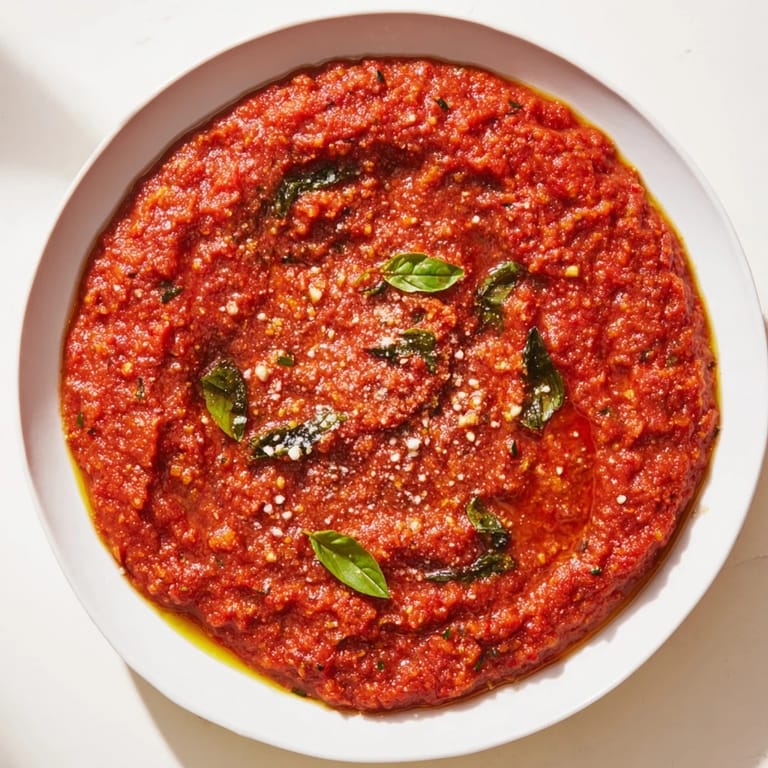
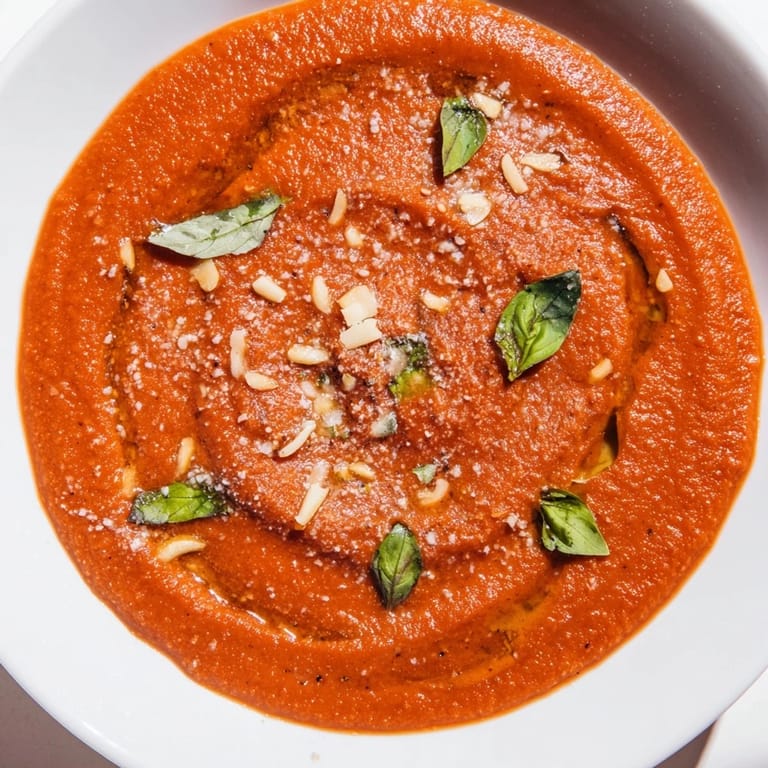
- Remove from heat and let cool for a minute or two, then use an immersion blender right in the pot, or carefully transfer the sauce to a countertop blender in batches. Blend until completely smooth—there should be no vegetable pieces, no texture, just silky sauce.
- Finish and serve:
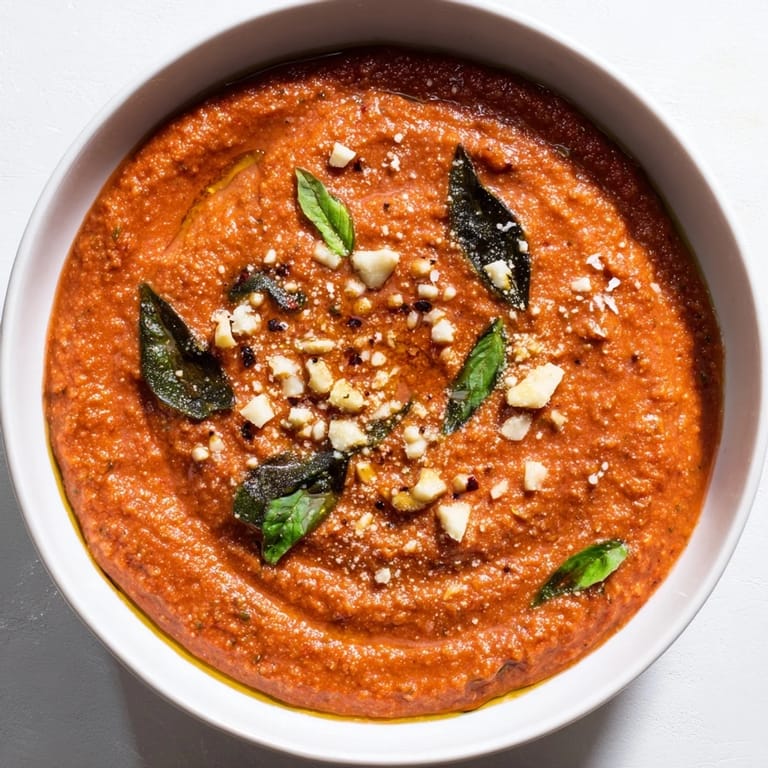
- Taste it. Adjust salt and pepper. Stir in Parmesan if you're using it, and serve hot over your pasta with a fresh basil leaf on top if you want to make it feel special.
 Save to Pinterest
 I remember standing at the stove while my partner came in from work, and before they even said hello, they stopped and asked what smelled so good. I hadn't told them about the vegetables yet—I just watched them taste the sauce and ask for the recipe, assuming it was my grandmother's technique rather than my sneaky addition. That's when I knew I'd made something worth keeping around.
Make-Ahead and Storage
This sauce gets better when you make it ahead and let the flavors settle. Freeze it in half-cup portions in ice cube trays or small containers, and you'll have instant weeknight dinner waiting for you for up to three months. It also keeps in the refrigerator for four days, and if anything, tastes deeper on day two than it did the first night.
Variations and Customization
This recipe is flexible enough to work with whatever vegetables you have on hand—bell peppers, mushrooms, and celery all blend in beautifully without changing the character of the sauce. For a creamier version, stir in a splash of heavy cream or a tablespoon of butter right after blending. If you're cooking vegan, the sauce is already there; just skip the Parmesan or use a plant-based alternative.
When and How to Serve
This sauce works on any pasta shape, but it clings best to thicker cuts like rigatoni or pappardelle. It's equally at home spooned over meatballs, stirred into a lasagna, or used as a base for shakshuka on mornings when you want something more substantial than usual. The silky texture means it doesn't overwhelm delicate flavors, so it pairs well with creamy cheeses or fresh ricotta if you want to layer it.
- Serve it hot, always—this sauce never tastes right cold or barely warm.
- A handful of fresh basil scattered on top at the very last moment makes it feel intentional.
- Freeze extra portions so you can pull dinner together in ten minutes on nights when you're too tired to think.
 Save to Pinterest
 This sauce has quietly become the thing I make when someone needs comfort food without realizing they're getting vegetables. It's a small trick with a big payoff.
Common Recipe Questions
- → How do the vegetables affect the sauce's texture?
Puréed carrots, zucchini, and spinach create a smooth, creamy texture that blends evenly with tomatoes, enhancing body without chunks.
- → Can I prepare the sauce ahead of time?
Yes, the sauce can be refrigerated for up to 3 days or frozen in portions for up to 3 months without losing flavor.
- → Is this sauce suitable for gluten-free diets?
Yes, the sauce itself is naturally gluten-free; just ensure accompanying pasta is gluten-free as well.
- → What herbs complement the tomato and vegetables best?
Dried oregano and basil provide classic Italian notes that meld well with the natural sweetness of the blended vegetables.
- → How can I make the sauce creamier?
Add a splash of cream or a tablespoon of butter after blending, or stir in grated Parmesan cheese for rich flavor.