 Save to Pinterest
 The first autumn chill hit our farmhouse kitchen last November, and I found myself craving something that felt like a warm hug in a bowl. My grandmother always said soup should be simple, but the best soups have layers of flavor that develop slowly and thoughtfully. This butternut squash soup became my go-to that season, partly because it fills the entire house with an incredible aroma while roasting. I remember my toddler wandering into the kitchen, asking what smelled like "candy and comfort" at the same time. Now it's the soup I make when friends need healing or when I just want to feel grounded.
Last winter, my neighbor Sarah was recovering from surgery and couldn't manage solid food easily. I brought over a container of this soup, and she texted me later that night saying it was the first thing that actually tasted good in weeks. There's something profoundly nourishing about food that's both gentle on the body and deeply satisfying to the soul. I've since made it for new parents, friends with the flu, and just because Tuesday needed some warmth.
Ingredients
- 1 large butternut squash: Roasting transforms the squash into something caramelized and complex, so don't skip this step even though it adds time
- 1 medium yellow onion: Sautéing it until translucent builds a foundation of savory sweetness that balances the squash
- 2 cloves garlic: Add it after the onion so it doesn't burn and turn bitter
- 1 liter vegetable broth: Use a good quality broth you'd drink on its own, since it provides most of the savory depth
- 250 ml water: This prevents the soup from becoming too dense or heavy
- 120 ml coconut milk or heavy cream: Coconut milk keeps it vegan and adds subtle tropical notes, while cream makes it more luxurious
- 2 tbsp pure maple syrup: This amplifies the squash's natural sweetness rather than adding sugar flavor
- 1/4 tsp ground nutmeg: Freshly grated is worlds better than pre-ground if you can manage it
- 1/2 tsp ground cinnamon: Just enough to warm the background without tasting like dessert
- 2 tbsp olive oil: You'll need one tablespoon for roasting and another for sautéing the aromatics
- Salt and black pepper: Season generously at each stage rather than all at the end
Tired of Takeout? 🥡
Get 10 meals you can make faster than delivery arrives. Seriously.
One email. No spam. Unsubscribe anytime.
Instructions
- Roast the squash:
- Preheat your oven to 200°C and spread the cubed squash on a baking sheet, then toss with one tablespoon olive oil and generous seasoning before roasting for 30 to 35 minutes until tender and golden.
- Build the base:
- Heat the remaining olive oil in a large pot over medium heat, then cook the chopped onion for 4 to 5 minutes until it turns translucent before adding the garlic for just one minute more.
- Combine and simmer:
- Add the roasted squash to the pot along with the broth, water, maple syrup, nutmeg, and cinnamon, then bring everything to a boil before reducing heat and simmering for 10 minutes.
- Purée until smooth:
- Use an immersion blender directly in the pot, or work in batches with a countertop blender, until the soup becomes completely velvety with no chunks remaining.
- Add the cream and adjust:
- Stir in the coconut milk or heavy cream, then taste and add more salt or pepper if needed before reheating gently and serving with your favorite garnishes.
 Save to Pinterest
 My father-in-law, who claims to dislike soup as a meal, asked for seconds the first time I served this. He said it felt substantial enough to satisfy him, which is the highest compliment I could imagine. Now whenever we visit, he asks if I'm bringing "that squash soup" before he even says hello.
Making It Your Own
I've discovered that a pinch of cayenne pepper makes the flavors sing without adding actual heat. Sometimes I'll add a diced apple along with the onion for extra sweetness, especially when the squash isn't quite as ripe as I'd hoped. The recipe is forgiving and welcomes experimentation.
Serving Suggestions
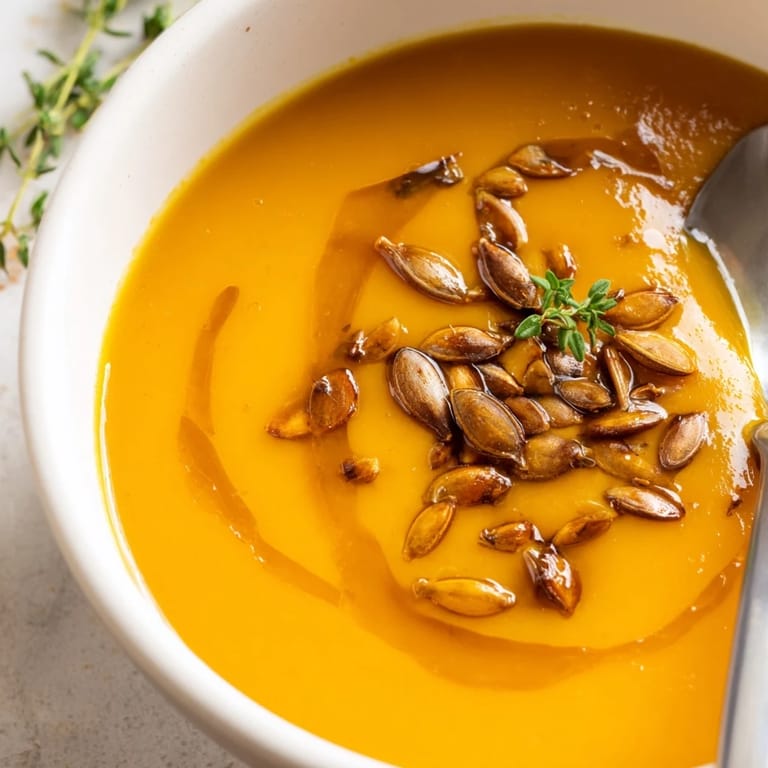
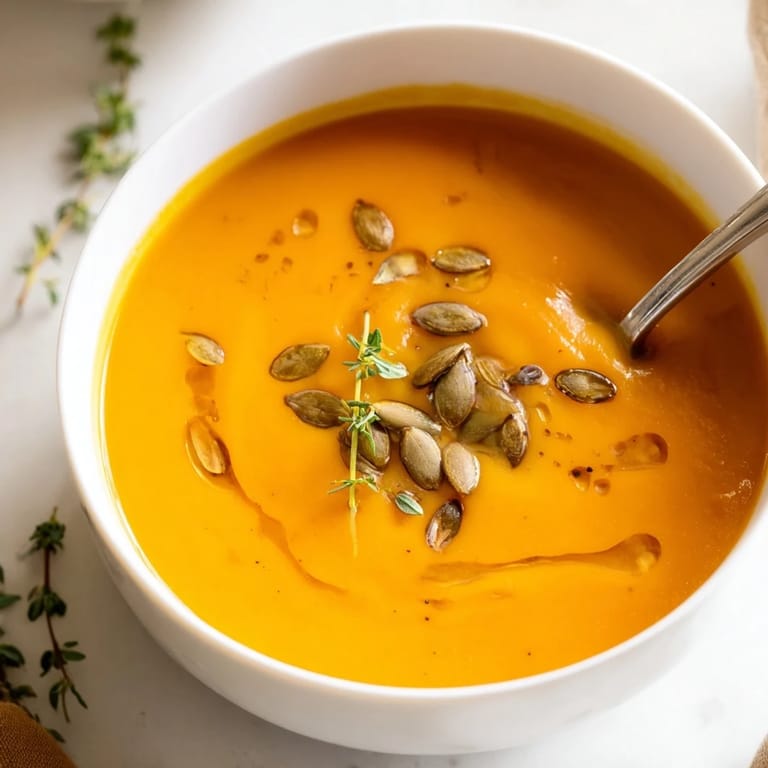
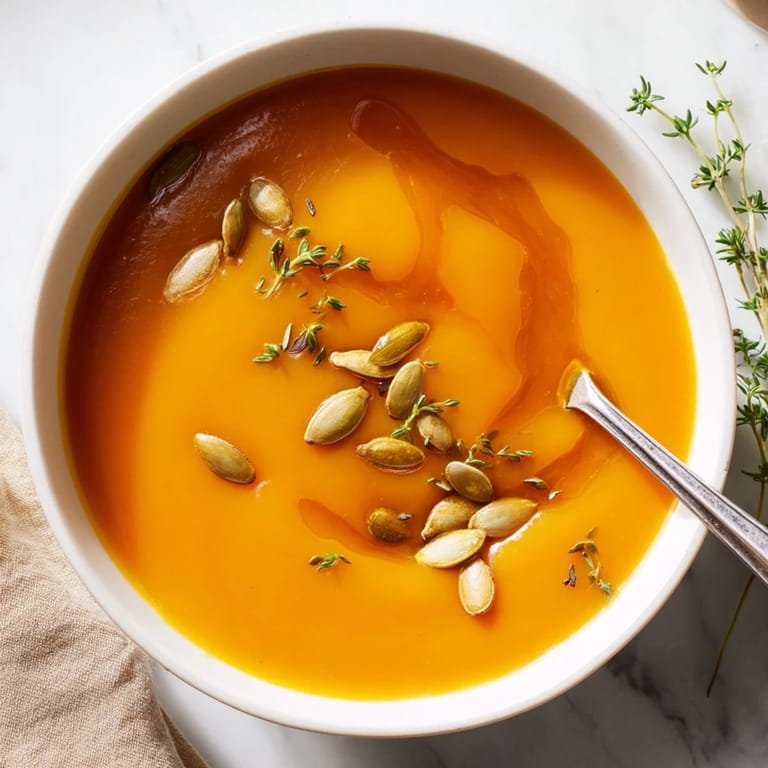
Crusty sourdough bread is essential for dipping, but a simple green salad with bright vinaigrette cuts through the richness beautifully. I've also served this in small shot glasses as an appetizer at dinner parties, and guests always ask for the recipe. A swirl of extra coconut milk on top makes it look restaurant-worthy.
Storage and Meal Prep
This soup keeps in the refrigerator for up to five days and actually tastes better on day two or three once the flavors have melded. I freeze individual portions in Mason jars, leaving an inch of space at the top for expansion.
- Thaw frozen soup in the refrigerator overnight rather than microwaving directly
- Always reheat gently over low heat to prevent the dairy from separating
- Thin with a little broth or water if it seems too thick after freezing
 Save to Pinterest
 Soup has this way of feeling like more than food—it's nourishment that extends beyond the table. I hope this recipe finds you on a day when you need exactly what it offers.
Common Recipe Questions
- → Why roast the squash instead of boiling it?
Roasting caramelizes the natural sugars in butternut squash, creating deeper flavor and sweetness that boiling cannot achieve. The oven's dry heat concentrates the squash's essence.
- → Can I make this soup ahead of time?
Absolutely. This soup actually improves after resting in the refrigerator for 1-2 days as flavors meld together. Reheat gently over medium-low heat, adding a splash of broth or cream if needed.
- → What's the difference between using coconut milk versus heavy cream?
Coconut milk keeps it vegan and adds subtle tropical notes with slightly less richness. Heavy cream delivers a more luxurious, velvety texture and traditional creaminess. Choose based on dietary needs and preference.
- → How do I achieve the smoothest texture?
Blend thoroughly using an immersion blender for 2-3 minutes or work in batches with a countertop blender. For ultra-smooth results, pass through a fine-mesh sieve after blending.
- → What can I use instead of maple syrup?
Honey works beautifully as a substitute with similar sweetness. For a refined sugar-free version, use dates soaked in hot water then blended, or simply omit sweetener and rely on the squash's natural sugars.