 Save to Pinterest
 My grandmother's cast-iron skillet taught me something about cornbread that no recipe book ever could: the sizzle matters. Years ago, watching her pull that preheated pan from the oven, the way the butter foamed when the batter hit it, that golden crust forming instantly on the bottom—that's when I understood this wasn't just a side dish, it was theater. Now whenever I make this Southern classic, I'm chasing that same magic, that perfect balance of crispy edges and tender, moist crumb that makes people close their eyes on the first bite.
I made this for a neighborhood potluck last fall, nervous about bringing something so traditional to a crowd I barely knew. But watching people come back for thirds, seeing a neighbor slab a whole wedge with that honey butter and groan with genuine pleasure—that's when food stops being about technique and becomes about connection. Someone asked for the recipe right there at the table, honey still glistening on their fingers.
Ingredients
- Yellow cornmeal: The soul of this recipe—use stone-ground if you can find it, as it has more flavor and a slightly better texture than the ultra-fine stuff.
- All-purpose flour: Keeps the cornbread from being too crumbly while the cornmeal does the heavy lifting flavor-wise.
- Granulated sugar: Just enough to enhance sweetness without making this taste like cake; it also helps with browning.
- Baking powder and baking soda: Work together to create lift and that tender crumb—don't skip the baking soda even though there's baking powder.
- Fine salt: Balances everything and makes the corn flavor pop in a way coarse salt won't.
- Whole milk: Creates richness; if you use buttermilk instead, you'll get extra tang and a slightly denser crumb, which some people prefer.
- Eggs: Bind everything together and add structure without heaviness.
- Melted butter and vegetable oil: The combination of both gives you moisture and creates that coveted crispy-edged texture.
- Unsalted butter for greasing: Essential for that sizzle when batter meets hot skillet.
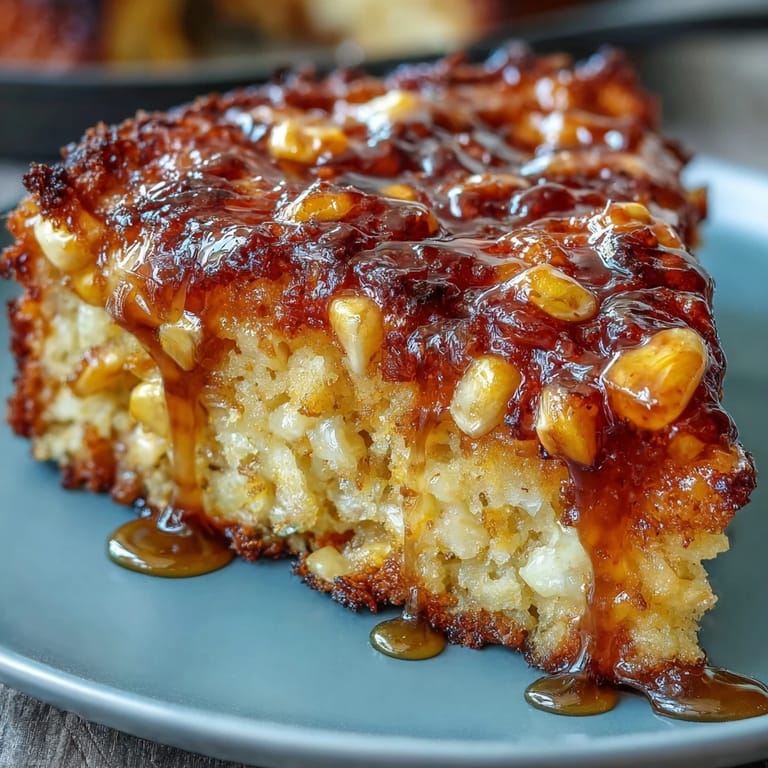
- Honey butter: Softened butter beaten with honey becomes silky and spreadable, a finishing touch that transforms warm cornbread into something memorable.
Tired of Takeout? 🥡
Get 10 meals you can make faster than delivery arrives. Seriously.
One email. No spam. Unsubscribe anytime.
Instructions
- Heat your skillet like your life depends on it:
- Set your oven to 425°F and get that 10-inch cast-iron skillet in there while you work. A truly hot pan is what creates the magic—that crispy, almost caramelized bottom that people fight over.
- Combine your dry ingredients:
- Whisk the cornmeal, flour, sugar, baking powder, baking soda, and salt in a large bowl until everything is evenly distributed. This step matters because it ensures the leavening agents are spread throughout.
- Whisk your wet ingredients until smooth:
- In another bowl, beat together the milk, eggs, melted butter, and vegetable oil. The mixture should be well combined but don't overthink it.
- Bring it all together gently:
- Pour the wet mixture into the dry ingredients and stir just until combined—this is where overmixing is your enemy. A few small lumps are fine and actually preferable to a dense, overdeveloped batter.
- Get brave with that hot skillet:
- Carefully remove the sizzling skillet from the oven, add the 2 tablespoons of butter, and swirl it around to coat the bottom and sides completely. The smell will be intoxicating.
- Pour and smooth:
- Transfer the batter into that buttered skillet and use a spatula to smooth the top gently. Don't press down or you'll lose the tender texture you're after.
- Bake until golden:
- Slide it back into the oven for 20 to 25 minutes—you're looking for a deep golden top and a toothpick that comes out clean from the center. The edges should pull slightly away from the skillet.
- Make the honey butter while cornbread bakes:
- Beat softened butter with honey and a tiny pinch of salt until fluffy and pale. This only takes a few minutes and tastes infinitely better than just spreading cold honey on hot cornbread.
- Cool just enough to slice:
- Let it rest for 5 to 10 minutes—this keeps it from falling apart when you cut it but still lets the honey butter melt in beautifully.
 Save to Pinterest
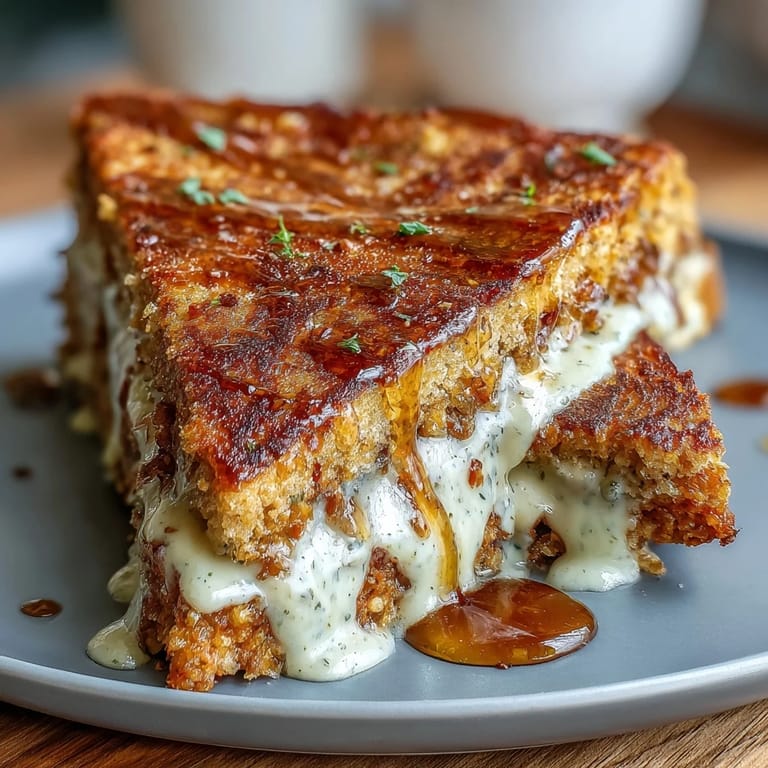
 There was a morning last winter when I pulled this from the oven on a gray, quiet day—no crowd, no occasion, just me and that golden skillet and the smell of toasted corn filling my kitchen. I sat at the counter, cornbread still warm enough to steam, spread that honey butter thick, and understood why this recipe has survived a hundred years and probably will for a hundred more.
The Cast-Iron Advantage
Cast iron isn't just traditional here—it's functional. The metal retains heat longer than any other pan, which means your cornbread continues to cook slightly after you remove it from the oven, and that bottom crust develops that prized crispy texture that makes people fight over corner pieces. If you don't have cast iron, a dark steel baking pan works in a pinch, but you'll lose some of that character. Also, preheating that skillet matters as much as any ingredient in this recipe.
Troubleshooting Your Cornbread
If your cornbread comes out too dry, you likely either overmixed the batter or baked it a few minutes too long—pull it at the first sign of golden brown next time. If it's too dense, again, overmixing is probably the culprit; treat your batter like you're folding delicate things into meringue. If the top is browning too fast but the inside isn't done, cover it loosely with foil for the last few minutes of baking.
Ways to Make It Your Own
This cornbread is a canvas if you want it to be. The basic formula stays the same, but the additions can shift it in different directions depending on what you're serving it with or what you're craving. Each variation changes the personality of the bread without losing that essential cornbread character.
- Stir in a cup of fresh or frozen corn kernels, or a handful of shredded sharp cheddar, or even diced jalapeños if you want a little heat.
- Use buttermilk instead of regular milk for a tangier crumb that pairs beautifully with chili or barbecue.
- Add a teaspoon of honey to the dry ingredients for subtle sweetness that doesn't feel out of place.
 Save to Pinterest
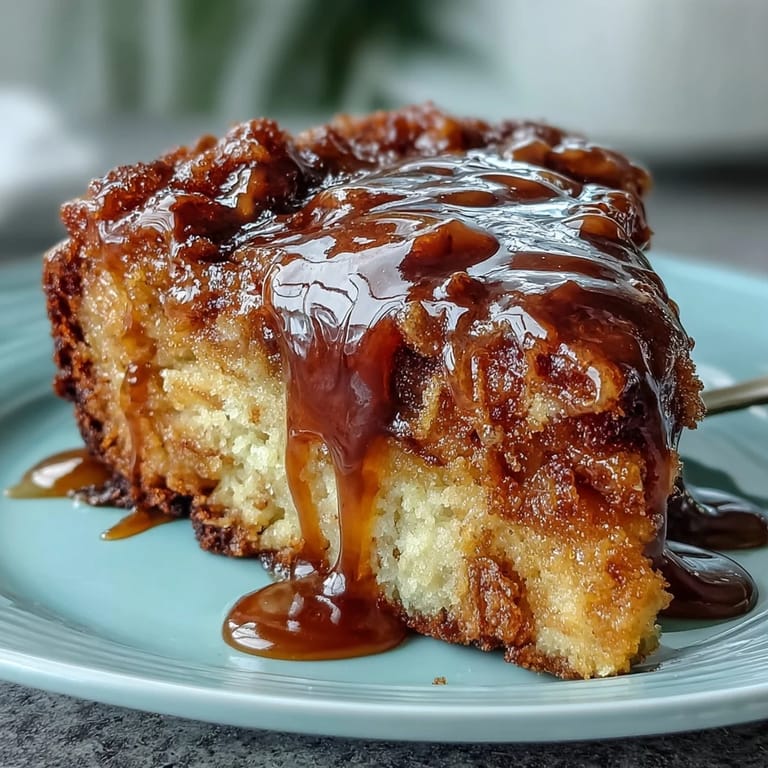
 Cornbread this good reminds you why people build traditions around simple food. Serve it warm, spread that honey butter while the crumb is still soft enough to absorb it, and watch people's faces—that's all the proof you need.
Common Recipe Questions
- → What gives the cornbread its moist texture?
The combination of whole milk, eggs, melted butter, and vegetable oil ensures a tender and moist cornbread crumb with a rich flavor.
- → Why use a cast-iron skillet for baking?
Preheating the cast-iron skillet creates a hot surface that helps develop a crisp, golden crust while keeping the interior soft and moist.
- → Can I substitute buttermilk for whole milk?
Yes, using buttermilk adds a subtle tang and extra richness to the batter, enhancing the overall flavor and texture.
- → How is the honey butter prepared?
Honey butter is made by whipping softened unsalted butter with honey and a pinch of salt until smooth and fluffy, providing a luscious spread.
- → What variations can be added to the cornbread?
You can mix in corn kernels, shredded cheddar, or chopped jalapeños for added texture and flavor twists.