 Save to Pinterest
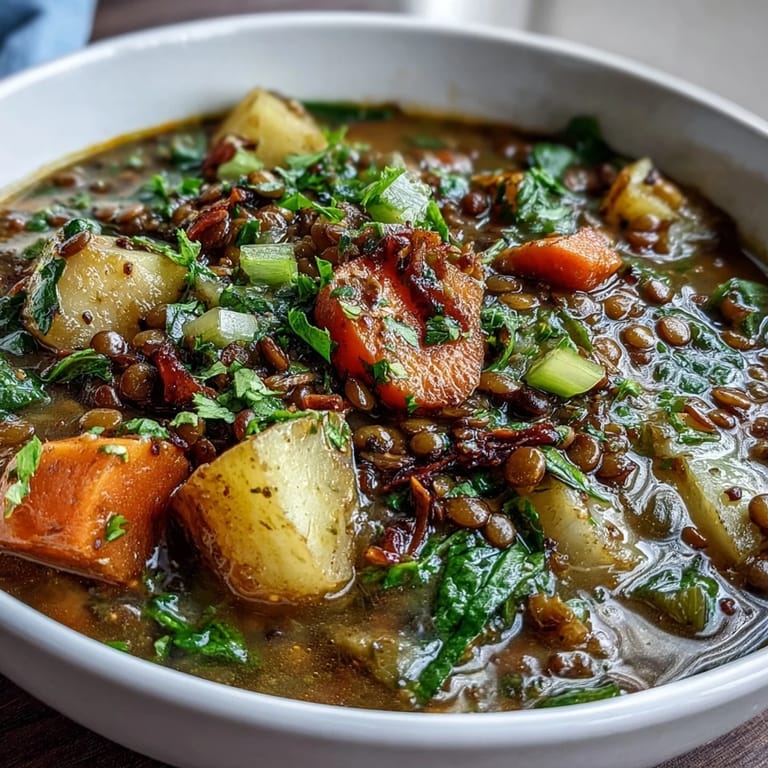
 My neighbor stopped by one autumn afternoon with a bag of fresh baby sprout greens from her garden, and I suddenly understood why she kept raving about them in soups. There's something about watching those delicate leaves wilt into a pot of simmering lentils that makes the whole kitchen smell like comfort. That evening became the birth of this stew, a dish that's become my go-to when I need something that feels both nourishing and effortless. The combination of earthy lentils with sweet carrots and tender potatoes creates this natural richness that doesn't require any tricks.
I made this for my sister when she was going through a rough patch and needed something warm to take home. She ate it directly from the container standing in her kitchen, and something about that moment—the steam rising, her shoulders finally relaxing—told me this recipe had become something bigger than just food. Now whenever she texts me that she's overwhelmed, she asks me to make a batch. It's become our unspoken language.
Ingredients
- 1 large onion, finely chopped: The foundation of every good stew; don't rush this or skip it, the sweetness that develops anchors everything else.
- 2 cloves garlic, minced: Fresh garlic makes all the difference—jarred just doesn't have the same character.
- 3 medium carrots, peeled and diced: They soften perfectly in forty minutes and add a natural sweetness that balances the earthiness of lentils.
- 2 medium potatoes, peeled and diced: Waxy potatoes hold their shape better than floury ones; I learned this the hard way with a mushy batch.
- 1 celery stalk, diced: This quiet ingredient adds complexity most people can't quite name but definitely notice.
- 1 cup baby spinach or little sprout greens, roughly chopped: Optional but transformative; stir them in at the end so they stay bright and tender.
- 1 cup dried green lentils, rinsed: Green lentils hold their shape unlike brown ones, which is crucial for texture; always rinse them first to remove any grit.
- 4 cups vegetable broth and 1 cup water: This ratio keeps the stew from tasting overly broth-forward while staying creamy.
- 2 tbsp olive oil: Good olive oil matters here since it's not being cooked down completely.
- 1 tsp dried thyme and 1 tsp dried oregano: These herbs are gentle and familiar; they won't overpower but will remind you why you love this pot of soup.
- 1 bay leaf: Remove it before serving; forgetting to fish this out once taught me a valuable lesson.
- ½ tsp ground cumin, salt, pepper, and juice of ½ lemon: The cumin whispers in the background, the lemon brightens at the end, and seasoning is your final control.
Tired of Takeout? 🥡
Get 10 meals you can make faster than delivery arrives. Seriously.
One email. No spam. Unsubscribe anytime.
Instructions
- Sauté the aromatics:
- Heat olive oil in your large pot over medium heat, then add onion, garlic, and celery. You're looking for that soft, translucent moment when they've released their sweetness and the kitchen starts to smell alive—about 3 to 4 minutes. This is the hardest part of the whole recipe, so don't let your mind wander.
- Build the stew base:
- Add carrots and potatoes, stirring occasionally for about 5 minutes so they get a light coating of oil and begin to soften at the edges. You'll notice the pot becoming more fragrant, which means you're on the right track.
- Add the lentils and liquid:
- Pour in your rinsed green lentils, vegetable broth, and water along with the thyme, oregano, bay leaf, cumin if you're using it, salt, and pepper. Stir everything together and bring it to a boil—you'll know it's boiling when the liquid starts that serious rolling motion and you can't ignore it anymore.
- Simmer gently:
- Reduce heat to low, cover the pot, and let it bubble away quietly for 30 to 35 minutes until the lentils are tender but not falling apart and the potatoes are soft all the way through. Peek at it occasionally; the lid keeps everything moist and the low heat prevents any harsh boiling.
- Finish with greens:
- Remove the bay leaf carefully, then stir in your baby spinach or sprout greens and let them wilt for 2 to 3 minutes until they're soft and bright green. This final touch is where the stew transforms from good to something you'll keep making.
- Taste and brighten:
- Add a squeeze of lemon juice if you want to lift all the flavors slightly, then taste the whole thing and adjust salt and pepper until it feels right to you. This is your moment to make it yours.
 Save to Pinterest
 There's a moment toward the end of cooking this stew when the kitchen fills with this kind of warmth that has nothing to do with the temperature. My daughter came home from school once to find this simmering, and she didn't even put down her backpack before asking if she could have a bowl. That's when I realized this recipe had become part of our rhythm.
Why This Stew Becomes a Weeknight Favorite
The magic of this stew lives in its simplicity and its refusal to demand your full attention. You're not standing at the stove with a spoon, stirring constantly and checking the clock. Instead, you get to chop, combine, and then step away while everything simmers into something greater than its individual parts. I've learned to use this time to set the table properly or do something I actually enjoy, which makes the whole cooking experience feel less like a chore and more like taking care of something I love.
The Texture That Keeps You Wanting More
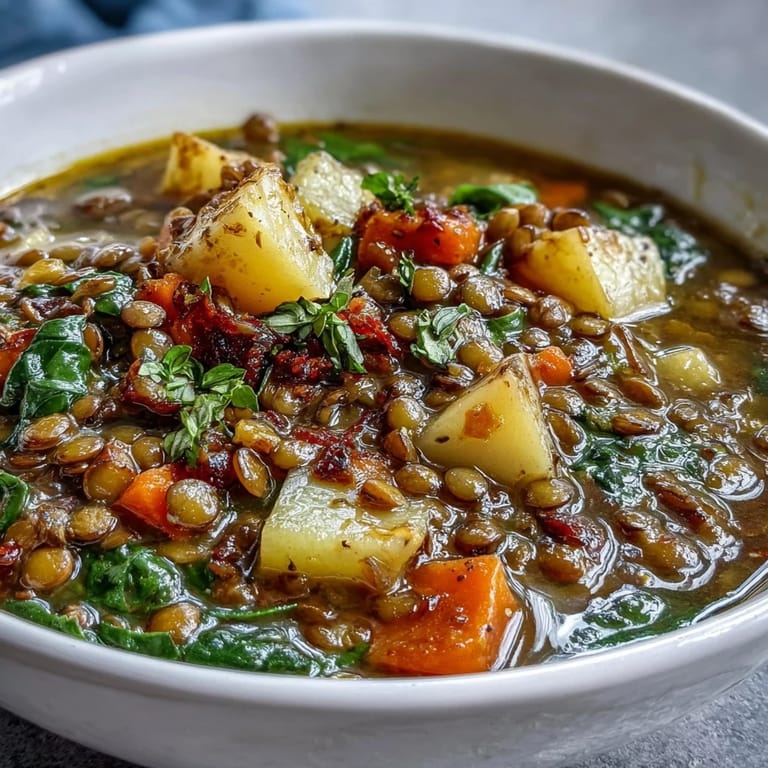
What separates a forgettable lentil stew from one you crave is understanding how each component should feel. Green lentils stay intact with a slight firmness at the center; potatoes become creamy at the edges while holding their shape; carrots soften until they're almost sweet. When these textures exist together, each spoonful becomes interesting instead of monotonous. I've tasted enough mushy stews to know that this balance isn't accidental—it's about choosing the right lentil type and respecting the forty-minute window.
Make It Your Own
This recipe is sturdy enough to handle your creativity without falling apart. Some evenings I add a splash of balsamic vinegar at the end for a subtle depth, other times I'll stir in some smoked paprika if I'm feeling like something with a little edge. Sweet potatoes swap in beautifully for regular potatoes if you want the stew to taste slightly sweeter and more autumnal. You can also serve it over rice or with crusty bread if you want something more substantial, and it tastes even better the next day when the flavors have had time to get to know each other.
- If vegetable broth is the main liquid component, make sure you're using one you actually like drinking on its own, since its flavor becomes the backbone of the stew.
- Leftover stew freezes beautifully in individual portions, so making a double batch isn't the worst idea you've ever had.
- This stew comes alive with fresh herbs scattered on top before serving—parsley, cilantro, or even a fresh thyme sprig make it feel finished and intentional.
 Save to Pinterest
 This stew has taught me that sometimes the best meals are the quiet ones, the ones that don't demand attention but deserve it anyway. Make it, serve it, and watch what happens when people realize they're eating something that tastes like it came from somewhere real.
Common Recipe Questions
- → How long does it take to cook the lentils until tender?
The green lentils simmer for approximately 30–35 minutes until they become soft and meld with the vegetables’ flavors.
- → Can I substitute sweet potatoes for regular potatoes?
Yes, sweet potatoes add a natural sweetness and work well, balancing the earthiness of the lentils and herbs.
- → What herbs complement the flavors best?
Dried thyme, oregano, and bay leaf create a warm aromatic base, while cumin adds subtle depth when included.
- → Is it possible to add greens to the stew?
Absolutely, stirring in baby spinach or little sprout greens just before finishing keeps the dish fresh and vibrant.
- → What can enhance the stew’s flavor further?
A splash of balsamic vinegar or smoked paprika can add extra complexity and richness to the overall taste.