 Save to Pinterest
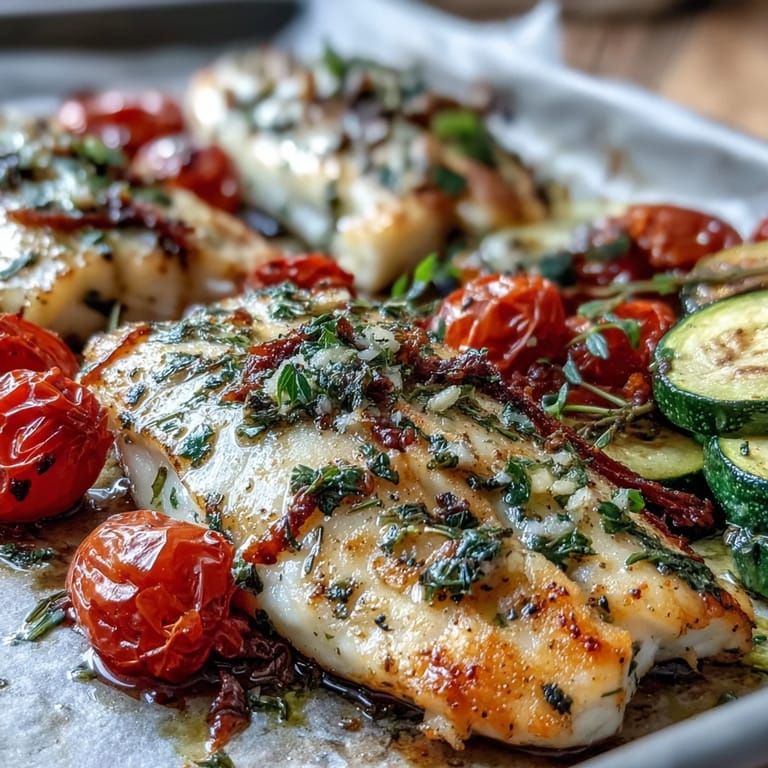
 Wednesday nights used to mean takeout by default until I discovered that tilapia cooks faster than most people can chop vegetables. My kitchen was practically silent except for the oven hum and the sound of cherry tomatoes rolling across the cutting board—somehow that quiet moment felt like the whole dinner was already coming together. There's something magical about how a sheet pan transforms simple ingredients into something that looks restaurant-worthy without any fuss. The garlic and herbs do most of the heavy lifting while you barely lift a finger. Now my family actually looks forward to these evenings.
I made this for my sister last summer when she was visiting and suddenly announced she'd gone pescatarian. I remember her skeptical face when I pulled it out of the oven—she expected something bland—but one bite and she was asking for the recipe before dessert. That's when I realized this dish has this quiet confidence about it, the kind where fresh herbs and good olive oil don't need to shout to impress.
Ingredients
- Tilapia fillets: Patting them dry is the small gesture that prevents sticking and helps them roast evenly; I learned this after one sad, clingy disaster that taught me everything.
- Zucchini: Half-moon slices cook at the same pace as the fish, and they caramelize slightly at the edges if you don't crowd the pan.
- Cherry tomatoes: Halving them releases their juices into a natural sauce that pools around everything else on the sheet.
- Garlic: Minced fine enough that it becomes almost invisible but flavors everything; this is where the soul of the dish lives.
- Fresh herbs (parsley and basil): Fresh makes all the difference, but dried basil works too if that's what you have on hand.
- Olive oil: Don't skip quality here because it's one of only five core flavoring elements.
- Lemon zest and juice: The zest adds brightness that juice alone can't deliver, creating layers instead of just tang.
Tired of Takeout? 🥡
Get 10 meals you can make faster than delivery arrives. Seriously.
One email. No spam. Unsubscribe anytime.
Instructions
- Set your stage:
- Heat the oven to 400°F and line your sheet with parchment paper because cleanup matters when dinner was this easy. This temperature is hot enough to roast vegetables while keeping delicate fish from overcooking.
- Build your marinade:
- Whisk together the oil, garlic, herbs, lemon zest, juice, and seasonings in a small bowl; the flavors will marry for just long enough while you prep the vegetables. This is your secret weapon, basically.
- Start with vegetables:
- Spread zucchini, tomatoes, and onion on the sheet, drizzle with half the marinade, and toss until everything glows. Leave space in the center for your fish because crowding means steaming instead of roasting.
- Nestle in the fish:
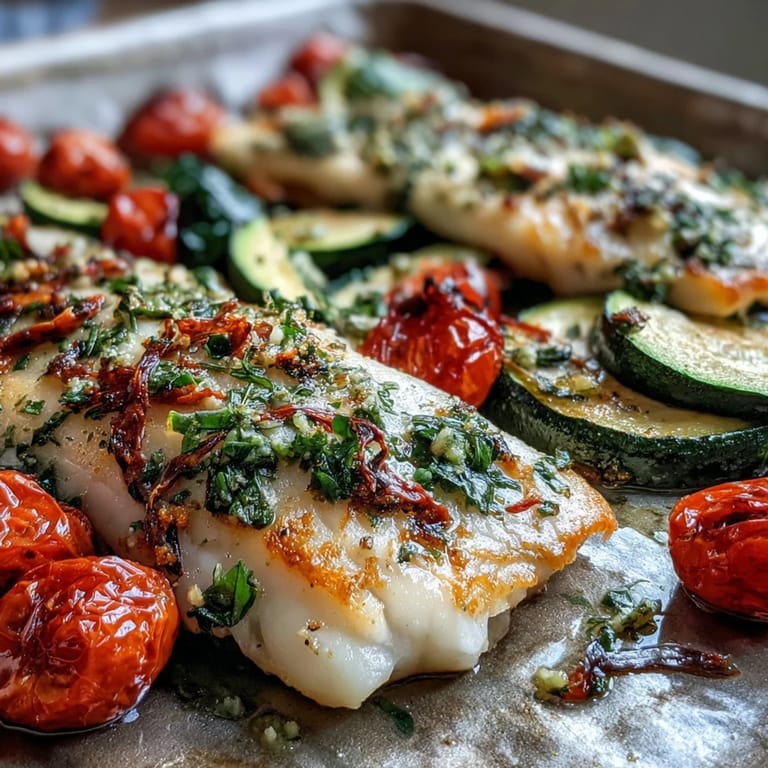
- Arrange tilapia fillets among the vegetables and spoon the remaining marinade over top. The fish should look like it's resting on a bed of color.
- Roast until perfect:
- Slide into the oven for 16 to 18 minutes—you'll know it's done when the flesh flakes easily with a fork and the vegetables have softened with slightly caramelized edges. Don't open the oven door obsessively; it's done when it's done.
- Finish and serve:
- Scatter fresh parsley and lemon wedges over everything while it's still steaming. The heat releases the parsley's aroma right into your face, which is honestly the best part.
 Save to Pinterest
 There was this moment when my eight-year-old actually tried the zucchini without complaint, and my partner looked at me like I'd performed actual magic. It wasn't about fancy cooking, it was about the herbs and the lemon making everything taste like it belonged together, like they were meant to be on the same sheet all along.
Why Sheet Pan Cooking Changes Everything
Sheet pan meals aren't just about convenience, though that's certainly part of the appeal. There's something about roasting everything together that creates natural flavor harmony—the tomatoes release their juices, the zucchini softens and gets just a little bit sweet, and the fish stays tender because it's not fighting for space with anything aggressive. You're essentially creating a miniature oven ecosystem where everything cooks at the right pace without interference.
Timing and Temperature Matter More Than Technique
I used to overthink fish until I realized that temperature control is basically your entire job here. Four hundred degrees is hot enough to roast vegetables properly without turning tilapia into a dried-out tragedy. The key is understanding that your oven already knows what to do—you're just creating the right conditions and stepping back. Most disasters happen from either overcrowding the pan (which causes steaming instead of roasting) or opening the oven door too many times to check on things that aren't ready to be checked.
Simple Sides and Pairing Ideas
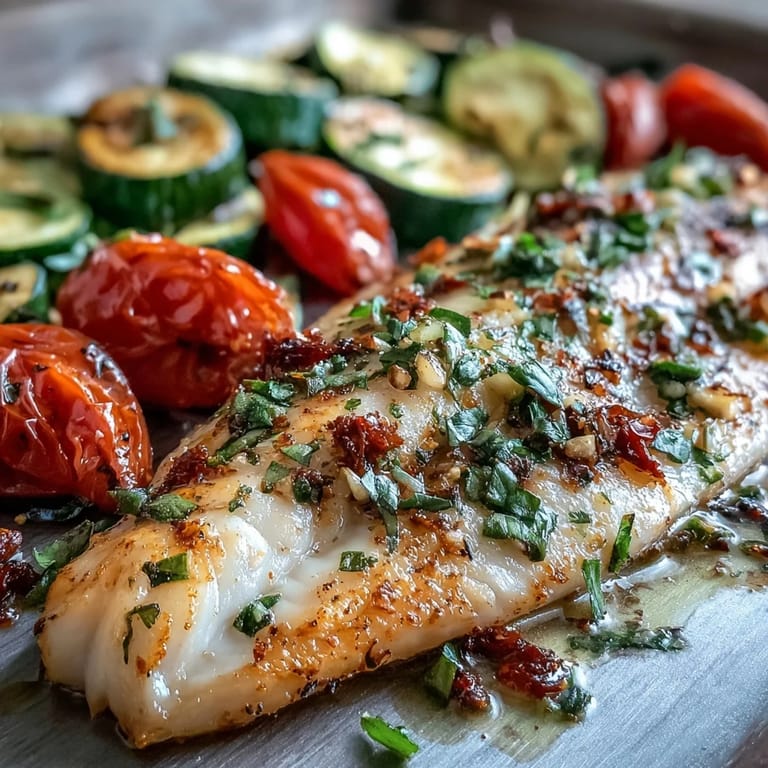
This dish is complete and satisfying on its own, but if you want to make it a bigger production, serve it alongside something that complements without competing. Quinoa soaks up the pan juices beautifully, rice adds substance without stealing attention, and fresh bread is perfect for dabbing up every last bit of that garlicky herb oil. A crisp white wine—Sauvignon Blanc or Pinot Grigio—cuts through the richness and makes the lemon sing even louder.
- Try toasted almonds sprinkled on top if you want a subtle crunch that catches people off guard.
- Leftover fish reheats gently in a low oven rather than the microwave, if you somehow have any left.
- This works equally well as a lunch the next day straight from the fridge if you're into that sort of thing.
 Save to Pinterest
 This recipe became my weeknight armor because it proves that healthy doesn't mean complicated. Every time someone tastes it, they're shocked it took me less than twenty minutes.
Common Recipe Questions
- → What temperature should the oven be set to?
Preheat your oven to 400°F (200°C) for optimal roasting. This temperature ensures the fish cooks through while vegetables become tender without burning.
- → How do you know when the tilapia is done?
The fish is ready when it flakes easily with a fork and appears opaque throughout. This typically takes 16-18 minutes at the specified temperature.
- → Can other fish be substituted?
Cod, haddock, halibut, or any mild white fish work beautifully. Adjust cooking time slightly for thicker fillets, adding 2-3 minutes if needed.
- → What vegetables work best?
Zucchini and cherry tomatoes are ideal because they cook quickly. Bell peppers, asparagus, or broccoli can be added, though harder vegetables may need additional time.
- → Can this be prepared ahead?
Vegetables can be sliced and the marinade whisked together several hours in advance. Keep everything refrigerated separately, then assemble and bake when ready to eat.
- → What sides complement this dish?
Quinoa, rice, or crusty bread make excellent additions. A crisp white wine like Sauvignon Blanc pairs beautifully with the lemon and herbs.