 Save to Pinterest
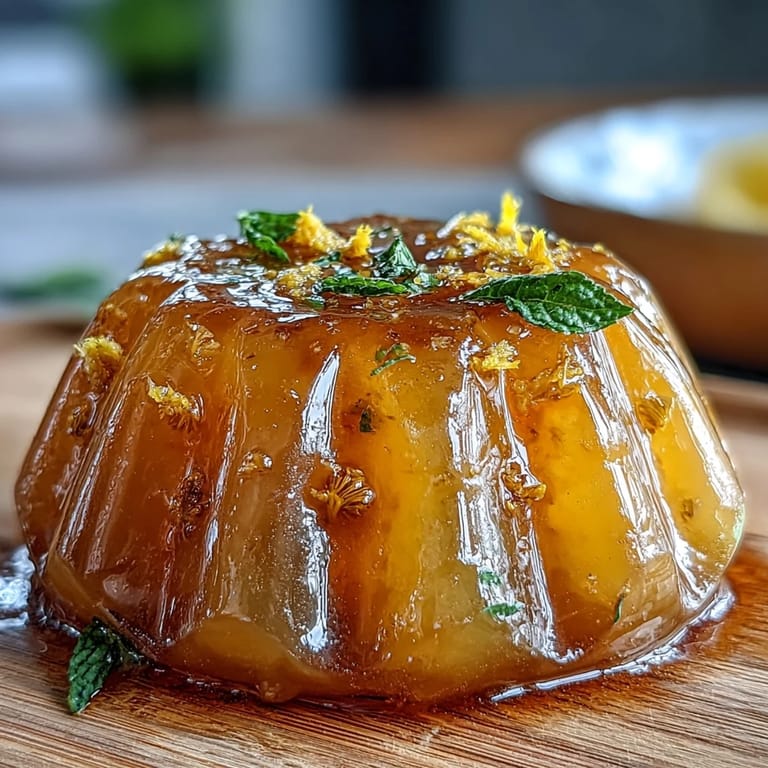
 The first time I made dandelion jelly, the kitchen was alive with excitement—sunlight streamed in, dusting the countertops with warmth, and the scent of freshly collected petals brought the garden indoors. I remember brushing pollen from my palms, wondering if anyone passing by would guess what strange delight was brewing. Each step felt like coaxing spring into a jar, and by the end I was surprised at how gold the jelly looked, shimmering almost as though I'd bottled the afternoon itself. There’s something strangely joyful about transforming humble weeds into a sweet, aromatic preserve. These moments remind me how curiosity transforms everyday ingredients into something wholly unexpected.
Early one spring, I recruited my niece to help gather dandelion heads—her giggles every time she made a wish on stray seeds still echo when I open a jar. We ended up with yellow-stained fingers and a huge bowlful, chatting about what else we could preserve while rinsing petals at the sink. That afternoon, even the process felt playful: while simmering the petals, we debated which toast deserved the first scoop. When the jelly set, we celebrated with a snack and sticky spoons, sharing bites and stories.
Ingredients
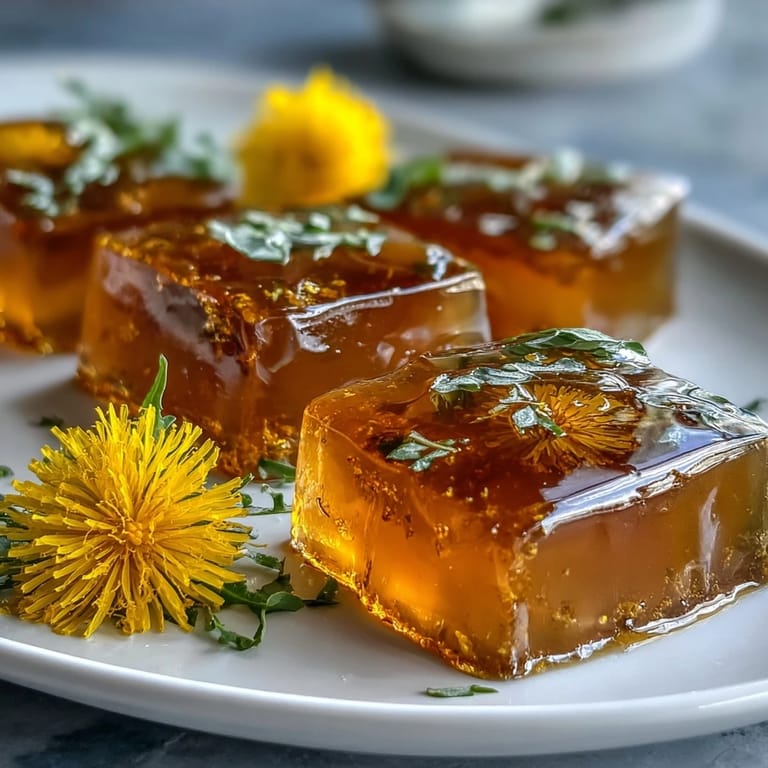
- Fresh dandelion petals: Only the yellow petals, carefully picked to avoid the bitter green parts, give the jelly its gentle floral flavor; I always lay them out to dry for half an hour after harvesting to help shake off insects.
- Water: You need clean, filtered water for steeping—any off taste in the water can affect the infusion, so I use the same water I drink.
- Fresh lemon juice: Squeeze it right before using for the best tang—sometimes I zest the lemon first and freeze the zest for future baking.
- Granulated sugar: Balances the honey and adds clarity—stir it in slowly so it dissolves evenly and doesn’t clump.
- Mild honey: Use the most lightly flavored honey you can find; anything too dark overwhelms the delicate flower taste.
- Fruit pectin: The right amount means your jelly isn’t runny or rubbery; I stick to Sure-Jell but if you try others, just check the package instructions for ratio tweaks.
Tired of Takeout? 🥡
Get 10 meals you can make faster than delivery arrives. Seriously.
One email. No spam. Unsubscribe anytime.
Instructions
- Petal Prep:
- Pick only the yellow parts of the dandelion flowers, discarding any green sepals or stems—this part takes patience, and I like to do it while listening to music or chatting.
- Simmer and Steep:
- Place the petals and water in a saucepan and bring to a boil, then drop the heat and simmer gently for ten minutes; the scent starts floral but gradually turns earthy as it simmers.
- Infuse Overnight:
- Cover the pan and let it steep for at least 6 hours or overnight—when I peek in the morning, the liquid is golden and lightly fragrant.
- Strain and Measure:
- Pour through a fine mesh sieve or cheesecloth, pressing out every drop; compost the petals, then measure the liquid, topping up to 3 cups if needed.
- Boil with Lemon & Pectin:
- Return infusion to a clean saucepan, stir in the lemon juice and pectin, then bring to a boil, stirring constantly to avoid sticking.
- Add Sugar & Honey:
- Stir in sugar and honey and return to a rolling boil; as you stir, watch the bubbles froth and smell a hint of citrus.
- Jelly Test:
- After boiling hard for 1–2 minutes, drop a spoonful on a cold plate—if it wrinkles when nudged, you're ready.
- Skim Foam:
- Remove from heat, skim off any foam delicately—sometimes I scoop with a spoon and let the leftover froth cool for a snack.
- Jar and Process:
- Ladle jelly into sterilized jars, leaving a quarter inch headspace; seal and process in a boiling water bath for five minutes.
- Cool and Store:
- Let jars cool, undisturbed, then check the seals; store the finished jars somewhere cool and dark and admire their golden glow.
 Save to Pinterest
 One autumn, I found myself gifting jars to neighbors, and a shy thank you note appeared on my door: dandelion jelly on rye toast had turned a rough morning sweet. Suddenly the recipe felt like more than just preserved blooms—it became a gesture, a conversation starter, a little bit of sunshine shared. Sometimes a jar is the whole story.
Choosing the Right Dandelions
Picking blossoms from wild, pesticide-free lawns is essential, and I’ve learned to avoid flowers from roadsides or heavily trodden paths. The fresher the blossom, the sweeter the jelly; I try to pick early in the day when the petals are open and vibrant. Rinsing petals well keeps unwanted critters out of your jelly, and turning the harvest into a kitchen game makes it genuinely fun.
Tools and Setup Matter
You don’t need fancy equipment—just a good saucepan, a clean sieve or cheesecloth, and sterilized jars. Setting up all jars and lids before starting makes the final steps go much faster. I keep everything organized on a towel-lined counter, so any spills are easy to clean and I can focus on timing rather than tidying.
Making the Jelly Set Perfectly
Sometimes the jelly looks too runny right after processing, but it often thickens fully as it cools. If it doesn’t, reboiling with a spoonful more pectin can help, but so can simply waiting a day or two for the natural set. Patience makes perfect preserves.
- If you have leftover dandelion liquid, freeze it for your next batch.
- Wipe jar rims with a damp clean towel before sealing for better results.
- Always label jars with dates so you never have mystery preserves.
 Save to Pinterest
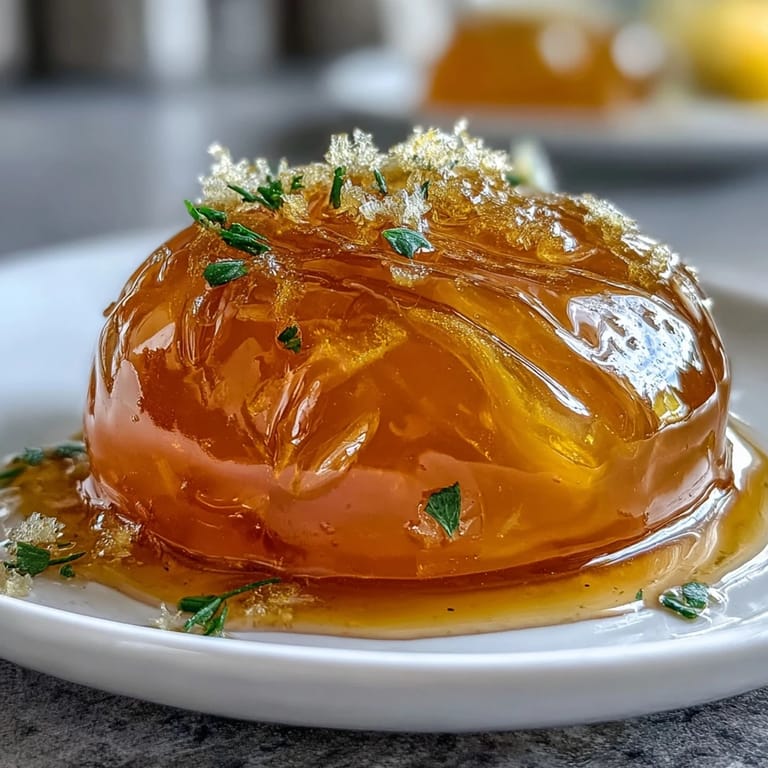
 This jelly brings a sunny surprise to breakfasts, and sharing a jar often starts a conversation about foraging and simple joys. I hope it brightens your kitchen as much as it has mine.
Common Recipe Questions
- → What does dandelion jelly taste like?
It has a light floral flavor with hints of honey and a gentle citrus brightness from the lemon. The sweetness is well balanced and subtle.
- → How do you prepare dandelion petals?
Pick only the yellow parts of the blossoms, removing all green sepals and stems to avoid bitterness. Wash and dry petals thoroughly before use.
- → Can I make this jelly vegan?
Yes, substitute honey with more sugar or agave syrup for a vegan-friendly version that retains sweetness and consistency.
- → What is the jelly test?
Place a spoonful of hot jelly on a cold plate; if it wrinkles when pushed, the mixture is thickened and ready to jar.
- → What is the best way to use dandelion jelly?
Enjoy it on toast, drizzled over yogurt, spread with soft cheeses, or used as a glaze for roasted meats and vegetables.
- → Are there allergen concerns?
Contains honey, so avoid serving to infants under one year. Always check ingredient labels if you’re unsure about allergies.
- → How long does the jelly keep?
Properly sealed jars stored in a cool, dark place can last up to one year. Refrigerate after opening and use within a few weeks.