 Save to Pinterest
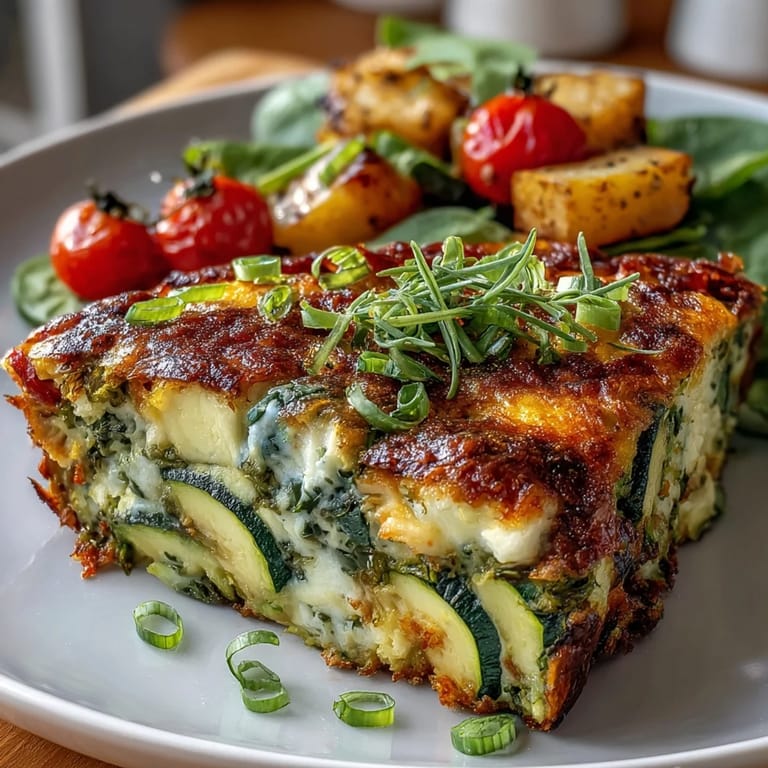
 Last spring, my neighbor knocked on my door holding a colander overflowing with asparagus from her garden, and I suddenly had to figure out what to do with bundles of it. A frittata seemed like the obvious answer—something I could throw together without fussing, yet felt special enough to serve when friends dropped by. That first attempt taught me that a good frittata isn't about precision; it's about letting whatever vegetables you have sing alongside creamy goat cheese and eggs that puff up in the oven like they're celebrating.
I'll never forget serving this to my book club when one member mentioned she'd been eating the same sad salad for lunch all week. Watching her take that first bite, eyes widening at how the eggs were somehow both fluffy and rich, felt like solving a puzzle. She asked for the recipe right then, and I realized that frittatas have this quiet power—they transform simple ingredients into something that feels nurturing without being fussy.
Ingredients
- Asparagus: Trim the woody bottom ends where they naturally snap; the tender top portions are what you're after, and cutting them into inch-sized pieces helps them cook evenly without disappearing.
- Baby spinach: Rough chopping instead of leaving leaves whole prevents tangles and helps it distribute evenly throughout the eggs.
- Zucchini: Dice it small so it softens quickly and blends seamlessly rather than creating chewy chunks.
- Cherry tomatoes: Halving them releases their juices into the frittata, adding brightness and moisture without needing any extra liquid.
- Green onions: Both the white and green parts have purpose here—the white softens into sweetness, the green adds a fresh snap.
- Eggs: Use room temperature eggs if you remember; they whisk more smoothly and create a more uniform texture as they cook.
- Whole milk or cream: This makes the eggs tender and custardy instead of rubbery—don't skip it even if it seems like a small amount.
- Goat cheese: Crumble it by hand into varied sizes so some pieces melt completely while others stay creamy and distinct.
- Parmesan cheese: Freshly grated makes a difference in how it distributes and browns; pre-shredded versions sometimes clump.
- Fresh chives and parsley: These are stirred in at the very end so their bright flavor doesn't cook away.
- Olive oil: Use something you actually like tasting, since it's not being cooked to obscurity.
Tired of Takeout? 🥡
Get 10 meals you can make faster than delivery arrives. Seriously.
One email. No spam. Unsubscribe anytime.
Instructions
- Get your oven ready:
- Set it to 375°F and let it come all the way to temperature while you prepare everything else. This head start means your frittata will puff properly in the oven.
- Sauté the spring vegetables:
- Heat olive oil in your oven-safe skillet over medium heat, then add asparagus and zucchini, letting them soften for 3 to 4 minutes. You want them tender but still holding their shape—this isn't about wilting them completely.
- Add the quick-cooking greens:
- Stir in spinach, cherry tomatoes, and green onions for another 2 minutes until the spinach turns dark and silky. The whole skillet will smell impossibly good at this point.
- Whisk your egg base:
- In a separate bowl, whisk together eggs with milk, salt, and pepper until it's smooth and homogeneous. This is where whisking actually matters—it ensures the eggs cook evenly throughout.
- Bring it together:
- Pour the egg mixture over your vegetables, then scatter goat cheese, Parmesan, chives, and parsley across the surface. Let it cook on the stovetop for 3 to 4 minutes until you see the edges setting and pulling slightly from the skillet sides.
- Finish in the oven:
- Transfer that skillet to your preheated oven and bake for 12 to 15 minutes until the center is set but still has a slight jiggle when you gently shake the pan. A fully cooked frittata should look puffed and lightly golden.
- Cool before serving:
- Let it rest for 5 minutes out of the oven so the structure sets and it becomes easier to slice cleanly. This small pause makes all the difference between a frittata that holds together and one that falls apart.
 Save to Pinterest
 There was an afternoon when my teenager actually put down their phone and asked for seconds, then volunteered to help me make it again the next week. That's when I understood that good food does something beyond nutrition—it creates tiny moments where people show up differently at the table.
Why Spring Vegetables Matter in This Dish
Spring vegetables have a delicate sweetness that stands up beautifully to eggs and cheese without overwhelming them. The asparagus stays slightly snappy even after cooking, the zucchini becomes silky, and the spinach adds an earthy depth that balances the tanginess of goat cheese. Using whatever looks best at your farmers market or grocery store right now means this frittata tastes different each season, keeping it from ever feeling tired.
The Magic of Cooking Half on the Stovetop, Half in the Oven
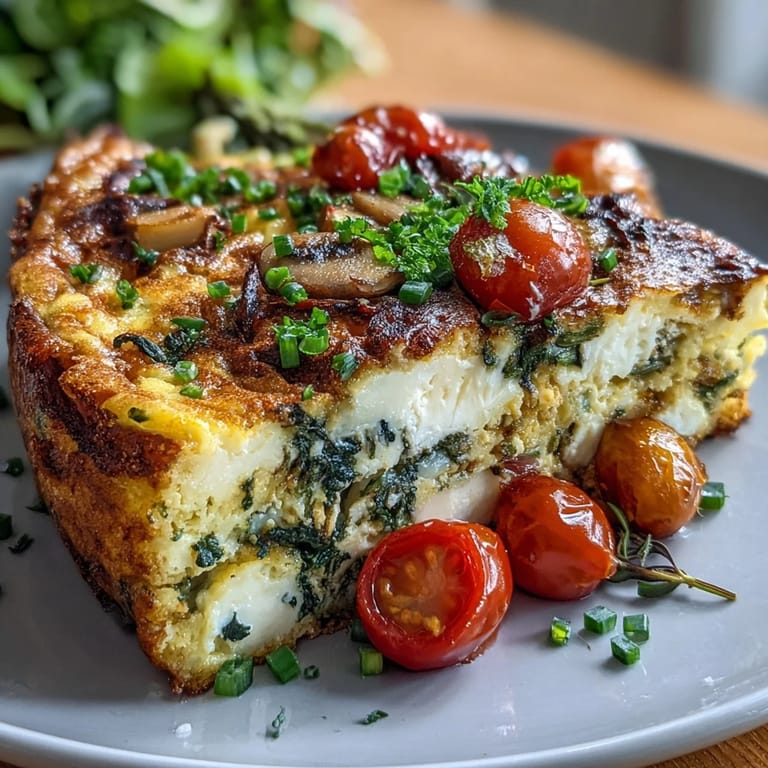
This method gives you the best of both worlds—the stovetop cooking sets the egg base and ensures your vegetables are perfectly tender, while the oven's dry heat creates that signature puff and slight browning on top. Starting on the stove also prevents the bottom from cooking too quickly and cracking before the center has a chance to set. You're essentially using two different cooking methods to achieve a texture that's impossible to get using just one.
Serving Ideas and Storage
Serve this frittata warm from the oven, at room temperature for a picnic-style meal, or even straight from the refrigerator the next morning when you're rushing out the door. A simple green salad on the side or crusty bread for soaking up any juices feels just right. Leftover frittata keeps beautifully in an airtight container for up to three days, reheats gently in a low oven, and honestly tastes pretty wonderful cold with your hand wrapped around a mug of coffee.
- Pair it with fresh lemon on the side to brighten all those spring flavors.
- Try swapping out goat cheese for ricotta, feta, or even sharp cheddar depending on what you have.
- This is the perfect vehicle for any vegetables lingering in your crisper drawer.
 Save to Pinterest
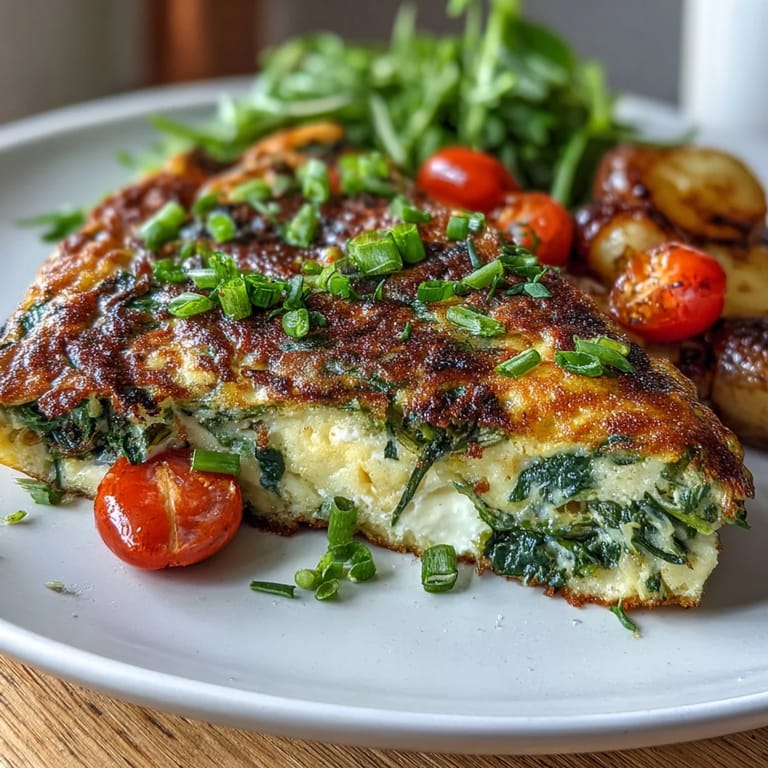
 This frittata has become the recipe I make when I want to feel like I'm taking care of people without spending my whole afternoon in the kitchen. Every time I pull it from the oven golden and puffed, it feels a little bit like magic.
Common Recipe Questions
- → Can I use other vegetables instead of asparagus?
Yes, you can substitute asparagus with peas, artichokes, or other tender spring vegetables to match your preferences or seasonal availability.
- → What cheese options work well besides goat cheese?
Soft cheeses like feta or creamy ricotta complement the dish nicely, adding a similar tangy richness while maintaining a smooth texture.
- → How do I prevent the frittata from sticking to the skillet?
Use an oven-safe skillet well-coated with olive oil before adding vegetables and egg mixture to ensure easy release and cleanup.
- → Can this dish be prepared dairy-free?
For a dairy-free option, omit goat cheese and Parmesan, substituting milk with a plant-based alternative such as almond or oat milk.
- → What is the best way to serve this frittata?
Let it cool slightly, then slice and serve alongside a fresh green salad or crusty bread for a satisfying, balanced meal.