 Save to Pinterest
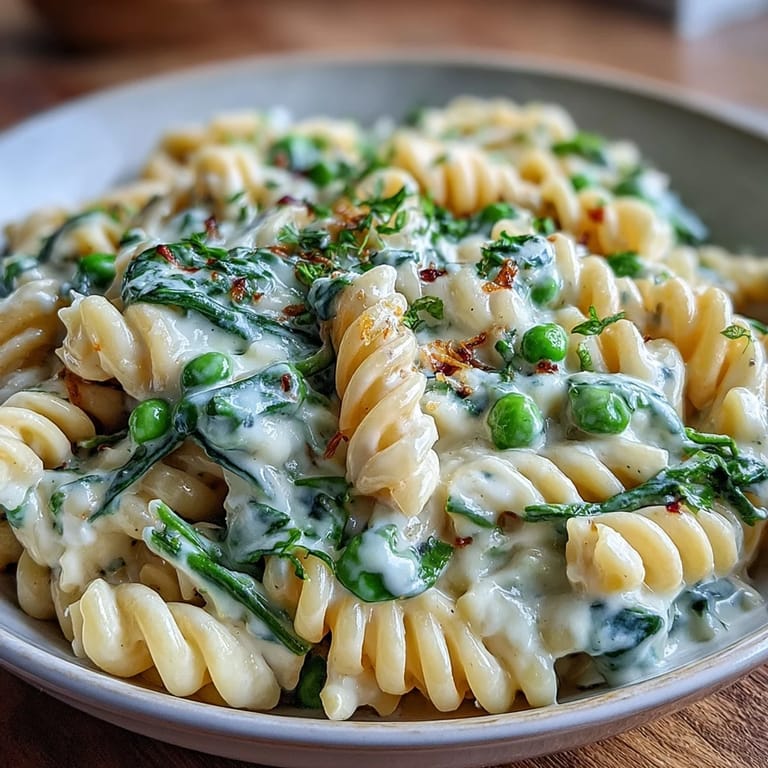
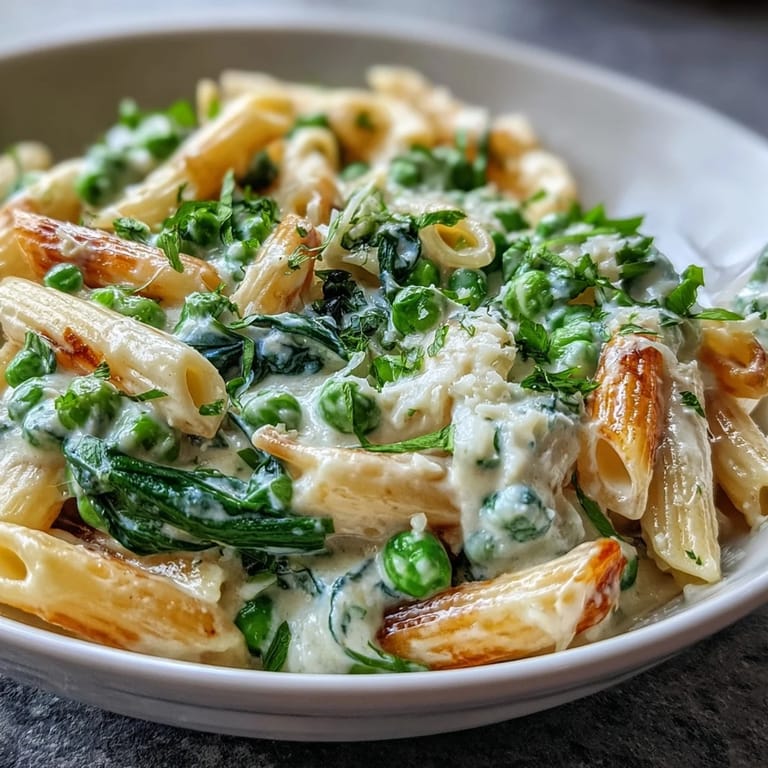
 The first time I made this One-Pot Lemon Ricotta Pasta, I could hear rain pattering against the window and the kitchen was filled with a citrusy zing I hadn't expected to feel so comforting. Stirring ricotta into hot pasta always brings a gentle creaminess, but combining it with fresh lemon and peas was a new adventure for my weeknight dinner routine. I remember laughing at how quickly my measuring spoons disappeared in the blur of prep work, only to discover them sitting in the ricotta tub. There was nothing glamorous about that evening, just a quiet satisfaction in how vibrant and cozy the meal turned out. This dish quickly earned a spot in my arsenal for when I want something quick, lively, and soul-soothing, without piles of dishes to deal with after.
I first made this for a Tuesday dinner with a friend who arrived flustered from work, but within minutes—the kitchen filled with the smell of sautéed garlic and lemon—we were both smiling. It’s the kind of recipe that turns a basic dinner into a little pause of brightness, shared over conversation and second helpings.
Ingredients
- Short pasta (penne, fusilli, or similar): Pick a sturdy shape so it holds onto the sauce; I learned rotini soaks up the creaminess best.
- Ricotta cheese: This is the heart of the sauce; use whole milk ricotta for a luscious mouthfeel, and let it come to room temperature for easier mixing.
- Grated Parmesan cheese: Adds a nutty sharpness—freshly grated really does melt in better than pre-grated.
- Whole milk: Helps turn ricotta and Parmesan into a silky sauce; swap with oat milk if you need to go dairy-light.
- Green peas (frozen or fresh): Peas bring little pops of sweetness; don’t be afraid to add them straight from frozen.
- Fresh spinach: I learned not to skimp here—the spinach wilts down dramatically, so add what looks like too much.
- Garlic: Don’t rush the sauté; just a minute unlocks that mellow background warmth.
- Lemon zest and juice: Zest adds brightness while juice sharpens the flavors—always zest before juicing for less hassle.
- Olive oil: The base of your sauce, bringing the ingredients together and carrying the garlic flavor through every bite.
- Salt and black pepper: Season as you go for layered flavors, and use plenty of fresh black pepper at the end.
- Optional garnish (more lemon zest, basil, or parsley): Fresh herbs and extra zest make it look as good as it tastes and add fragrance to each forkful.
Tired of Takeout? 🥡
Get 10 meals you can make faster than delivery arrives. Seriously.
One email. No spam. Unsubscribe anytime.
Instructions
- Infuse the Oil:
- Warm olive oil in a large deep skillet over medium heat and enjoy the fragrant hit as you swirl in the garlic, cooking it just until it smells sweet but looks pale.
- Start the Pasta:
- Add dry pasta and peas right into the pot, sprinkle in salt, and pour enough water to cover; bring everything to a lively bubble, then simmer uncovered and stir every so often, noticing as the peas turn vivid green and the pasta softens.
- Wilt the Spinach:
- Tumble handfuls of spinach over the pasta once it's nearly ready, gently fold until it shrinks and everything turns a glorious tangle of greens.
- Create the Sauce:
- Lower the heat and spoon in ricotta, Parmesan, milk, all the lemon zest, and juice—stir gently as the cheeses melt and the sauce turns glossy and light, coating every nook of pasta.
- Season and Serve:
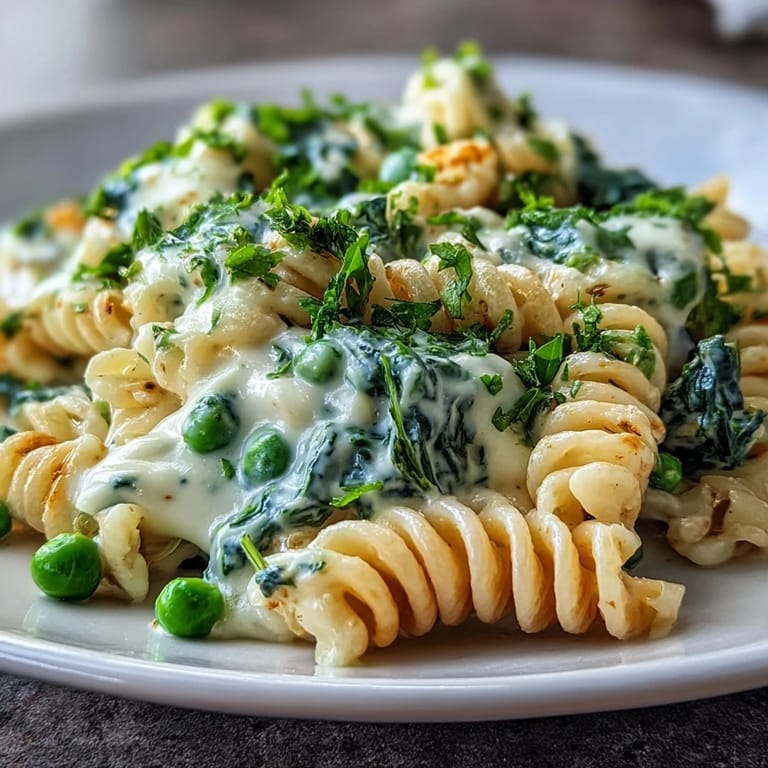
- Finish beautifully: grind fresh black pepper, taste for salt, and mound into bowls with extra lemon zest and a scatter of herbs if you want a touch of spring.
 Save to Pinterest
  Save to Pinterest
 One quiet afternoon, I brought this pasta to a neighbor recovering from surgery, not expecting more than a quick doorstep chat—she later told me the lemon and warmth made the day feel special again. Food doesn’t have to be fancy to bring comfort, and this recipe reminds me of that every time.
Secrets for Perfect Creaminess
Ricotta can surprise you—it’s best at room temperature, and I’ve noticed stirring it in cold can leave tiny lumps. Take a minute to let it come to temp while the pasta cooks and the cheese folds in like silk.
How to Tweak the Greens
Don’t stress if you’re out of spinach: I’ve swapped in arugula, kale, and even chard, depending on what’s in the fridge. Each green brings its own personality; wilt chard a bit longer, and add arugula at the very end for a peppery lift.
One Pot, Many Occasions
This pasta’s simplicity makes it the hero for hurried weeknights, but it also doubles as a gentle main for brunch or a quick picnic lunch. Make it your own
- A pinch of chili flakes wakes up the lemony cream.
- A scatter of nuts or seeds on top gives crunch.
- Sprinkle Parmesan as you serve for extra flavor and color.
 Save to Pinterest
  Save to Pinterest
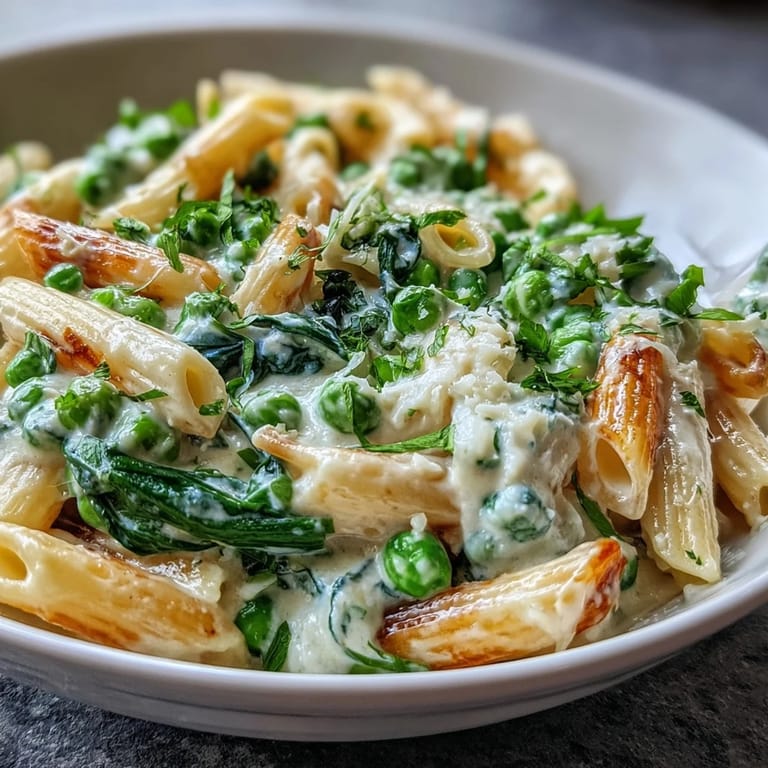
 Whether you cook this alone, for friends, or to bring a little light to someone’s day, its fresh, creamy flavors truly shine. I hope it brings a spark of easy joy to your table, too.
Common Recipe Questions
- → How much water should I use when cooking the pasta in one pot?
Pour enough water to just cover the pasta so it absorbs liquid and releases starch, about 3¾–4 cups for 350 g short pasta. Adjust as it cooks to keep a saucy finish rather than dry.
- → Can I use frozen peas instead of fresh?
Yes. Add frozen peas straight to the pot with the pasta; they’ll thaw and cook in the simmering water in about the same time as the pasta and keep their sweetness.
- → How do I prevent the ricotta from becoming grainy?
Fold ricotta into the warm, low-heat pasta gradually with a splash of milk and a little grated Parmesan. Keep heat low and stir gently until creamy to avoid curdling.
- → What substitutions work well for spinach or ricotta?
Swap spinach with arugula or chopped kale (add kale earlier to soften). Replace ricotta with mascarpone for extra richness or cottage cheese blended smooth for a lighter texture.
- → How should leftovers be stored and reheated?
Cool quickly and refrigerate in an airtight container for up to 3 days. Reheat gently over low heat with a splash of milk or water to restore creaminess, stirring until warmed through.
- → What protein additions complement the lemon-ricotta flavor?
Grilled shrimp, pan-seared chicken breast, or toasted pine nuts add texture and protein without overpowering the citrusy, creamy base.