 Save to Pinterest
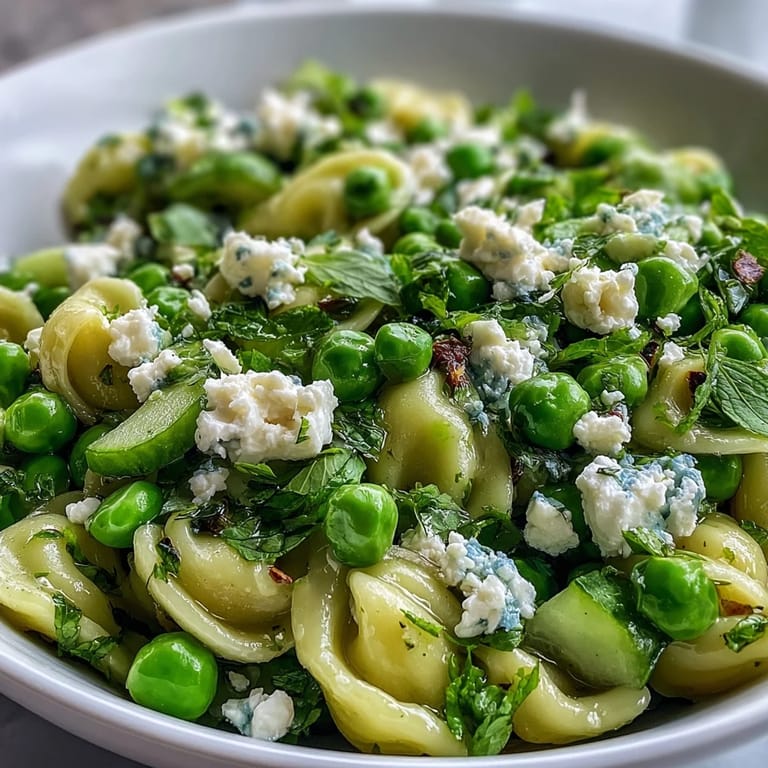
 There's something about late spring that makes you want to eat straight from the garden, and this pasta salad arrived in my kitchen on one of those warm afternoons when the farmer's market suddenly overflowed with bright green peas and bundles of mint so fragrant they scented my entire bag. I'd been craving something cold and alive, not heavy, and watching the peas tumble into boiling water felt like the day itself—quick, energetic, full of possibility. The lemon vinaigrette came together in about the time it took the pasta to cool, and by the time I tossed it all together, I had something that tasted like spring had been bottled and poured over pasta.
I made this for a picnic last June when three friends showed up at my door with wine and news, and we ended up spreading everything on a blanket in the park. The pasta salad was the quiet hero of the afternoon—refreshing enough that nobody wanted heavy food in the heat, but substantial enough that it felt like an actual meal. One friend went back for thirds and asked for the recipe via text the next morning, which is always how you know something worked.
Ingredients
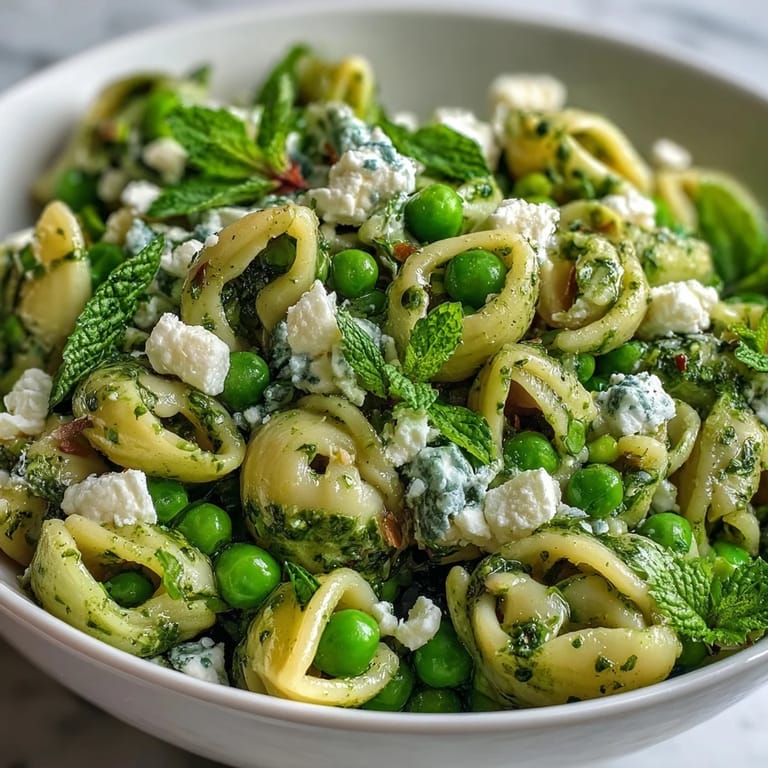
- Small pasta (250 g): Farfalle, orecchiette, or penne work beautifully because their shapes catch the vinaigrette and hold onto the vegetables—avoid long thin pasta, which slides around and doesn't distribute the dressing evenly.
- Fresh or frozen peas (1 cup): Frozen peas are honestly just as good as fresh here, and they cook evenly without you having to hunt for that perfect moment of doneness.
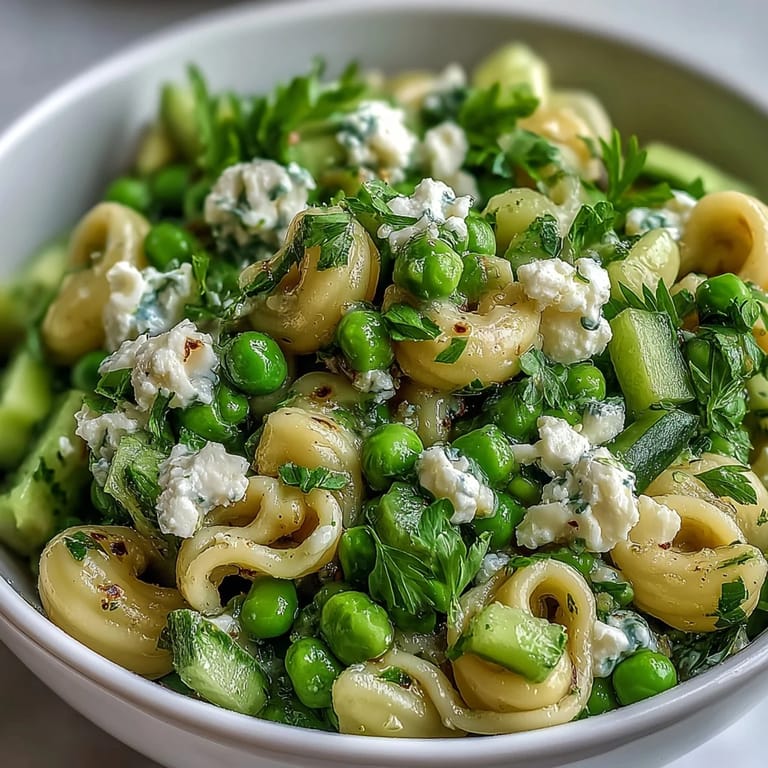
- Cucumber (1 small): Dice it small so it releases its water gradually and seasons the salad as it sits, rather than sitting as separate chunks.
- Spring onions (3): The white and light green parts disappear into the salad, while the darker green tops stay bright and add that sharp onion note that makes everything taste more alive.
- Fresh mint leaves (1/3 cup): This is not a garnish amount—the mint is the backbone here, so don't skimp or the salad becomes just another pasta dish.
- Fresh flat-leaf parsley (1/4 cup): It adds grassiness that mint alone can't quite deliver, creating a more complex green flavor.
- Feta cheese (50 g, optional): The salty crumbles are completely optional, but they add a gentle anchor that prevents the salad from feeling too light and summery.
- Lemon zest and juice: Use a microplane for the zest so you get those bright oils without the bitter white pith, and always juice the lemon fresh—bottled juice loses the liveliness you need here.
- Extra-virgin olive oil (3 tbsp): This is where quality matters; a fruity, grassy oil tastes noticeably better than a neutral one.
- Dijon mustard (1 tsp): It acts as an emulsifier that keeps the oil and lemon juice from separating, and adds a subtle depth that rounds out the brightness.
- Honey or maple syrup (1 tsp): Just enough sweetness to balance the lemon's pucker without making it taste like dessert.
- Garlic clove (1 small): Mince it finely so it dissolves into the vinaigrette rather than hitting you with harsh garlic chunks.
Tired of Takeout? 🥡
Get 10 meals you can make faster than delivery arrives. Seriously.
One email. No spam. Unsubscribe anytime.
Instructions
- Boil the pasta and peas together:
- Fill a large pot with salted water—it should taste like the sea, which seasons the pasta from the inside. Bring it to a rolling boil, add the pasta, and follow the package timing until the pasta is just tender enough to bite through without resistance. In the last two minutes, scatter in the peas and let them warm through until they're bright green and just cooked.
- Cool everything down:
- Drain the pasta and peas in a colander, then run cold water over them while stirring gently to stop the cooking immediately. This preserves the peas' sweetness and keeps the pasta from turning mushy; patience here makes a difference.
- Build the salad base:
- Toss the cooled pasta and peas into a large mixing bowl, then add the diced cucumber, sliced spring onions, chopped mint, and parsley. Mix gently so everything combines without bruising the more delicate herbs.
- Make the vinaigrette:
- In a small bowl or jar, combine the lemon zest, fresh lemon juice, olive oil, Dijon mustard, honey, and minced garlic. Whisk it together or cover the jar and shake it for about 30 seconds until the dressing thickens slightly and emulsifies, which means the oil and lemon have finally become friends.
- Dress the salad:
- Pour the vinaigrette over the pasta mixture and toss everything together gently, making sure every piece gets coated evenly. The salad will look bright and glossy when you're finished.
- Add the feta if you're using it:
- Sprinkle the crumbled feta over the top and toss lightly one more time so the salty cheese distributes throughout without getting broken into tiny pieces.
- Season and chill:
- Taste a forkful and adjust the salt, pepper, or lemon juice if needed—remember that chilling mutes flavors slightly, so season it to taste a bit bolder than you might think. Cover and refrigerate for at least 15 to 30 minutes, which allows the flavors to settle and meld together into something greater than the sum of its parts.
 Save to Pinterest
 This salad transformed a tired Tuesday lunch into something that felt special, and suddenly I was eating at my desk with the windows open, paying attention to what was in front of me instead of just powering through the afternoon. It reminded me that food doesn't need to be complicated to feel generous.
The Secret of Spring Vegetables
Spring peas and fresh herbs are at their peak for such a short window that when you catch them at the right moment, they taste like nothing else—sweet and bright and almost grassy. The moment you realize peas can taste this good, rather than like a frozen vegetable side dish, is the moment this salad stops being optional and becomes something you crave. That's why timing matters: buy the peas when they're in season at the farmer's market, and use the herbs the same day you bring them home.
Why Cold Pasta Salad Works in Summer
There's a psychological shift that happens when you stop cooking warm meals in hot weather and give yourself permission to eat cold salads instead—suddenly you're not adding heat to an already sweltering kitchen, and you're eating something that actually cools you down rather than warming you up. This salad meets that need perfectly because the cold pasta and vegetables feel refreshing, but the lemon and mint and cheese give it enough personality that it doesn't feel sad or like you're just eating leftovers. It's the kind of dish that makes you grateful for summer cooking.
Keeping It Fresh and Flexible
This salad holds beautifully in the refrigerator for up to two days, which means you can make it the morning of a picnic or party and it will actually taste better by the time you serve it. The pasta absorbs the vinaigrette slowly, the vegetables release their water gradually, and everything becomes one cohesive dish rather than ingredients sitting beside each other. If you're taking it somewhere, pack the feta separately and crumble it over just before serving so it doesn't get soggy, and bring a little extra vinaigrette in a separate jar in case the salad seems dry.
- For a vegan version, skip the feta entirely or use a plant-based cheese if you want that salty contrast.
- Add grilled chicken or roasted chickpeas if you need more protein and want to turn it into a complete meal.
- Snap peas or edamame can swap in for regular peas if you want a different texture or can't find fresh peas.
 Save to Pinterest
 This is the kind of salad that sits on your table and disappears quietly, everyone coming back for another bite without making a big announcement about it. Make it once and you'll find yourself reaching for it again whenever spring rolls around.
Common Recipe Questions
- → Can I make this pasta salad ahead of time?
Yes, this dish actually improves after chilling for 15-30 minutes, allowing flavors to meld. It keeps well refrigerated for up to 2 days, making it excellent for meal prep or advance preparation for gatherings.
- → What pasta shapes work best for this salad?
Small pasta shapes like farfalle, orecchiette, or penne are ideal as they catch the vinaigrette and ingredients well. The ridges and cup shapes help hold the dressing and small vegetable pieces.
- → Can I use frozen peas instead of fresh?
Absolutely. Frozen peas work wonderfully and are often sweeter than fresh out-of-season peas. Simply add them during the last 2 minutes of pasta cooking to thaw and heat through.
- → How can I add more protein to this dish?
Consider adding grilled chicken breast, chickpeas, white beans, or even shrimp. The feta cheese already provides some protein, but these additions can transform it into a more substantial main course.
- → Is this suitable for dietary restrictions?
The base version is vegetarian and can be made vegan by omitting feta or using plant-based cheese. For gluten-free needs, simply use certified gluten-free pasta. The vinaigrette is naturally dairy-free.
- → What other vegetables can I add?
Snap peas, edamame, bell peppers, cherry tomatoes, or diced radishes make excellent additions. Arugula or spinach can also be added for extra nutrition and color variation.