 Save to Pinterest
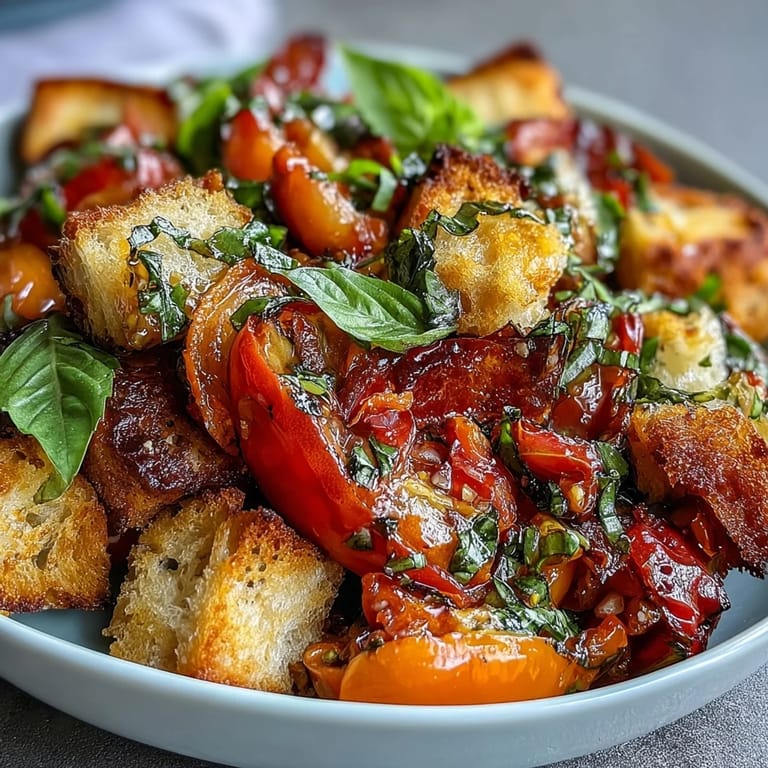
 There's something about a tomato at peak season that makes you forget why anyone bothers cooking anything else. I was standing in front of a farmer's market stall in August, holding three different heirlooms in my hands—a striped Green Zebra, a deep burgundy Cherokee Purple, and a cheerful Golden Jubilee—when the vendor mentioned she'd been eating panzanella since childhood in Tuscany. That afternoon, I built this salad in my kitchen, toasting cubes of sourdough until they smelled like warmth itself, and suddenly understood why such a simple dish has survived centuries.
I made this for a potluck once where I arrived early and watched three other people bring casseroles. By the time everyone had tasted the panzanella, those casseroles were sitting untouched while people came back for seconds of bright, summery salad. Someone asked if it was restaurant food, and I laughed—it's actually the opposite, the kind of thing that tastes like someone's kitchen, not a menu.
Ingredients
- Day-old sourdough bread (250 g): The sourdough matters because its open crumb structure actually absorbs dressing without turning to mush, and the slight tang pairs beautifully with tomato and basil.
- Extra-virgin olive oil (2 tbsp for croutons, ¼ cup for vinaigrette): Use something you'd actually taste on its own—this is where quality makes the difference between ordinary and memorable.
- Sea salt (½ tsp for croutons): Don't skip seasoning the bread before toasting; it's what makes the croutons actually taste like something.
- Heirloom tomatoes (500 g, assorted colors): The variety matters less than ripeness—a perfectly ripe Early Girl works just as well as an heirloom if that's what you can find.
- Cucumber (1 small, peeled): Peeling removes the waxy coating and lets the flesh absorb more dressing, though you can leave skin on if you prefer the texture.
- Red onion (½ small, thinly sliced): Thin slicing makes the bite less aggressive; thick chunks overwhelm everything else.
- Garlic clove (1 small, minced): Raw garlic in the vinaigrette becomes sharp and almost spicy when raw, so don't be tempted to add more than called for.
- Fresh basil leaves (30 g, packed): This is roughly a big handful; if your basil is tender baby leaves, you might need slightly more, but measure by taste not volume.
- Red wine vinegar (1½ tbsp): The acidity cuts through the richness of oil and brings tomato flavor into focus—don't swap it for balsamic, which would overpower.
- Dijon mustard (1 tsp): An emulsifier that helps the vinaigrette cling to vegetables instead of pooling at the bottom of the bowl.
- Honey (½ tsp): Just enough to round out sharp vinegar notes without making anything sweet.
- Fresh mozzarella or burrata (50 g, torn, optional): If using, add it last so it stays creamy rather than getting dissolved into warm dressing.
Tired of Takeout? 🥡
Get 10 meals you can make faster than delivery arrives. Seriously.
One email. No spam. Unsubscribe anytime.
Instructions
- Toast your bread until it's golden and honest:
- Heat the oven to 180°C, toss your sourdough cubes with olive oil and salt, and spread them on a baking sheet. Toast for 10 to 15 minutes, stirring halfway through—you want them golden on the edges but still slightly yielding in the center, not hard as croutons from a salad bar.
- Build the vinaigrette while bread cools:
- Blend basil, olive oil, vinegar, mustard, honey, minced garlic, salt, and pepper until smooth and bright green. This step takes two minutes, and the raw garlic becomes less aggressive when blended into the emulsion.
- Assemble the salad base:
- In a large bowl, combine your tomatoes, cucumber, and red onion, then add the cooled sourdough cubes. Don't dress it yet—let the components stay separate so you can judge the final flavor.
- Dress and let it breathe:
- Drizzle the basil vinaigrette over everything and toss gently so the bread doesn't shatter. Let it sit for 10 minutes, and you'll notice the bread beginning to soften and the flavors starting to meld together into something unified.
- Finish and serve:
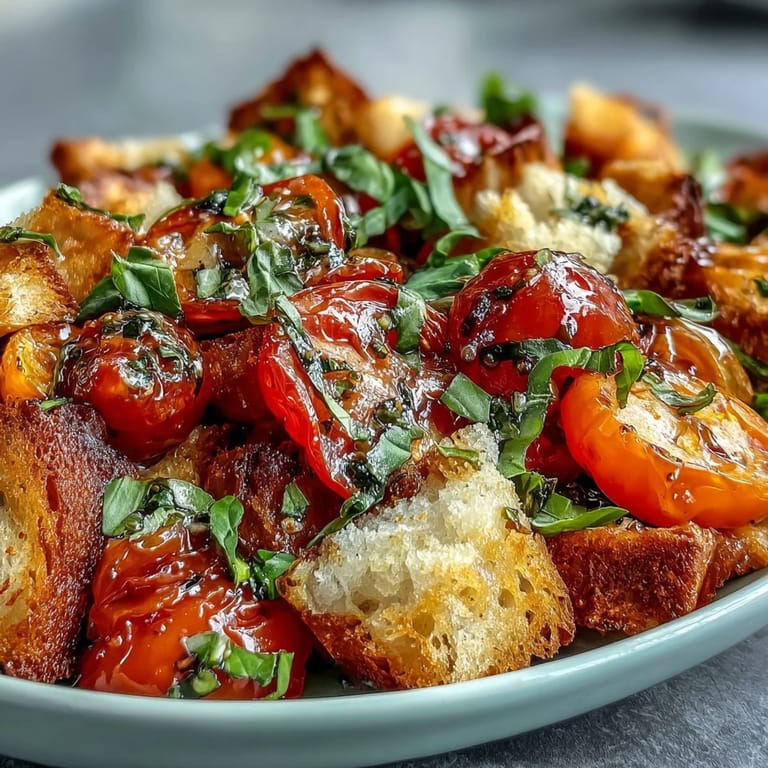
- Transfer to a serving platter, tear fresh mozzarella or burrata over the top if using, scatter more basil leaves across, and serve while the contrast between cool salad and creamy cheese is still pronounced.
 Save to Pinterest
 My grandmother used to say that salad is where you learn if someone's been paying attention in the kitchen. Panzanella taught me that she was right—there's nowhere to hide when you're working with five simple ingredients. Every choice, from how thin you slice the onion to whether your vinaigrette is properly emulsified, shows up on the plate.
The Story Behind Panzanella
This salad comes from Tuscany, born from the practical reality of not wasting stale bread. Somewhere along the way, necessity became genius—what started as thrift transformed into a dish that tastes like deliberate art. The bread isn't a vehicle for other ingredients; it's central to the whole experience, absorbing dressing and becoming something it wasn't before.
Why Sourdough Works Better Here
Sourdough's open crumb and natural tang make it ideal for panzanella, but what really matters is that your bread be day-old. Fresh bread falls apart; aged bread has enough structure to toast properly and absorb dressing without disintegrating. If you don't have sourdough, any rustic bread with an open crumb will work—focaccia, ciabatta, even day-old whole grain bread brings its own character to the salad.
Timing and Temperature
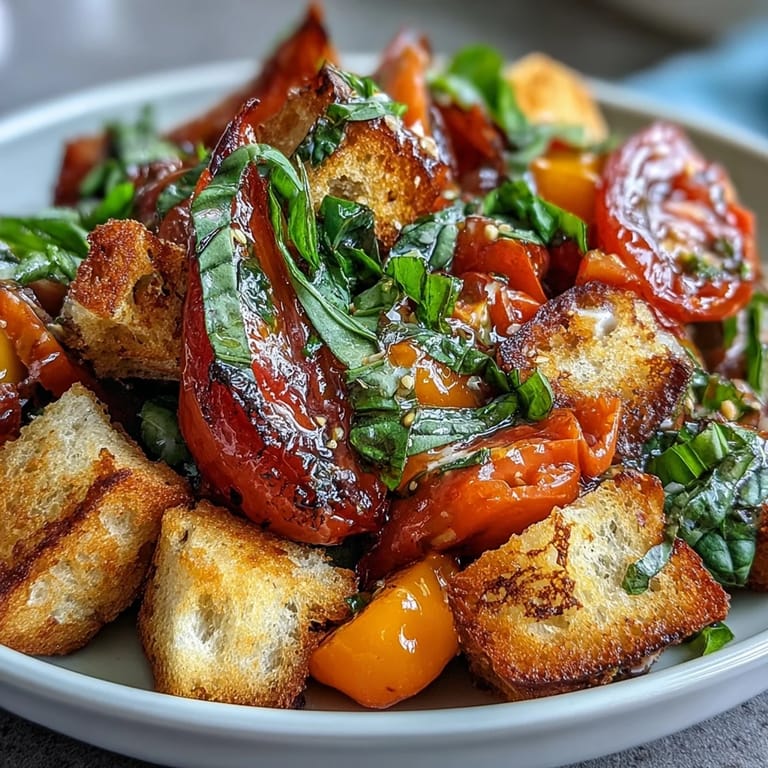
This is a salad that actually improves with a short rest, unlike most greens-based salads that wilt if you look at them wrong. The bread needs those 10 minutes to soften and for flavors to begin finding each other. Serve it at room temperature, not cold—chilling dulls the tomato flavor and makes the vinaigrette taste thin and sharp instead of rich and balanced.
- Make the vinaigrette first so it can sit while you prepare other components.
- Toast the bread just before assembly so it's still warm when it meets the dressing.
- Don't refrigerate leftovers; eat them within a few hours while everything is still textured and intentional.
 Save to Pinterest
 Panzanella reminds me that some of the best food comes from paying attention to what you have rather than chasing complexity. It's summer in a bowl, and it doesn't apologize for being simple.
Common Recipe Questions
- → What makes sourdough ideal for panzanella?
Sourdough's sturdy structure and tangy flavor hold up beautifully when toasted and dressed. The chewy texture absorbs vinaigrette while maintaining crunch, unlike softer breads that become soggy quickly.
- → Can I prepare this ahead of time?
Toast sourdough cubes up to two days in advance and store in an airtight container. Prepare vinaigrette separately and combine all components 20 minutes before serving—any longer and bread loses its ideal texture.
- → What tomato varieties work best?
Mix heirloom varieties like Cherokee Purple, Brandywine, and striped German for visual appeal and flavor complexity. Their varying sweetness and acidity levels create a more dynamic taste profile.
- → How can I make this protein-rich?
Add torn burrata or fresh mozzarella as suggested, or incorporate cannellini beans, grilled chicken, or shrimp. Chickpeas also work beautifully for a plant-based protein boost while maintaining the Italian profile.
- → Why is resting time important?
Ten minutes of resting allows flavors to meld and dressing to penetrate vegetables. More importantly, it gives sourdough time to soften slightly while retaining texture, creating that perfect tender-crisp balance.
- → What substitutions work for basil vinaigrette?
Try arugula for peppery notes, or mix parsley and cilantro for brighter flavor. Replace red wine vinegar with champagne vinegar for milder acidity or balsamic for deeper sweetness.