 Save to Pinterest
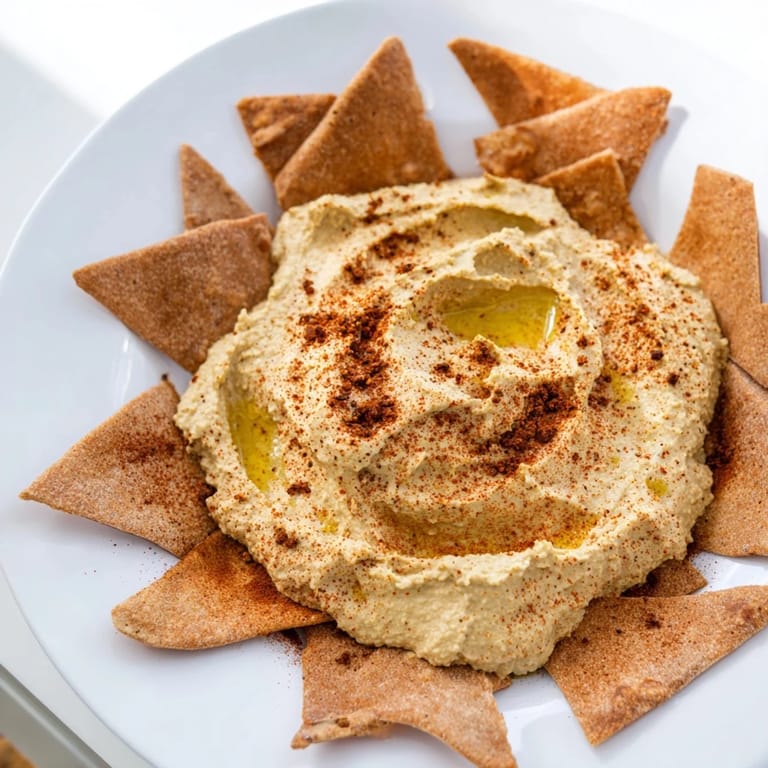
 My kitchen smelled like toasted cumin on the afternoon I first played with this idea—I'd been thumbing through old travel photos and landed on one of the Sahara at sunset, all golden light and undulating dunes. That image stuck with me while I was making hummus for a dinner party, and suddenly I thought: what if the food looked like the landscape I was daydreaming about? Rolling the hummus into mounds with the back of a spoon felt like sculpting, and when those hand-cut pita chips emerged from the oven, crispy and angled just right, it clicked. This isn't just an appetizer; it's a little edible adventure that tastes as good as it looks.
I remember my friend Marcus walking into my kitchen, stopping dead in his tracks, and asking if I'd hired a caterer. When I told him I'd made it that afternoon, he laughed and said the hummus mounds looked almost too pretty to eat—which, of course, meant he immediately grabbed a chip and dove in. That moment sealed it for me; food that makes people pause, even for a second, before tasting it, is food worth making again.
Ingredients
- Chickpeas (1 can, 15 oz / 425 g, drained and rinsed): The foundation—rinsing them thoroughly keeps the hummus from getting gluey, which I learned the hard way.
- Tahini (3 tbsp): This is where the magic lives; it gives hummus its silky depth, so don't skip it or try to replace it.
- Fresh lemon juice (2 tbsp): Brightness and acidity that make everything sing; bottled juice will flatten the whole thing.
- Extra-virgin olive oil (2 tbsp, plus more for drizzling): Quality matters here since it's a main flavor player, not just fat.
- Garlic clove (1, minced): Raw garlic adds punch; if you're nervous about harshness, go easy and taste as you blend.
- Ground cumin (1/2 tsp): The spice that whispers of desert markets and warm afternoons.
- Fine sea salt (1/2 tsp, more to taste): Season in layers; taste after blending because salt transforms everything.
- Cold water (2–3 tbsp): The secret to creaminess; add it slowly and you'll feel the hummus transform under the processor blade.
- Pita breads (4 large, white or whole wheat): Choose ones that are thick enough to get crispy, not papery.
- Olive oil for chips (2 tbsp): A light coating is all you need; more oil makes them greasy, not crispier.
- Smoked paprika (1/2 tsp): Adds a whisper of smokiness that makes these chips taste like they've been cooked over a fire.
- Ground cumin for chips (1/4 tsp): Echoes the hummus's flavor so everything feels connected on the plate.
- Fine sea salt for chips (1/4 tsp): Season aggressively here since the chips won't absorb it the way soft foods do.
- Sumac or sweet paprika for garnish (pinch): This final dust of color is what makes people notice the dish before they taste it.
- Fresh parsley (optional): A green fleck that breaks up the golden-beige palette and adds a fresh herbal note.
Tired of Takeout? 🥡
Get 10 meals you can make faster than delivery arrives. Seriously.
One email. No spam. Unsubscribe anytime.
Instructions
- Set Your Oven and Prep:
- Preheat to 375°F (190°C) and line a baking sheet with parchment paper so cleanup later is effortless and nothing sticks.
- Cut the Pita Into Dune Shapes:
- Slice each pita into irregular, curved triangles—think rolling hills and natural slopes, not perfect triangles. The imperfection is what makes them look like a real landscape.
- Oil and Season the Chips:
- Brush both sides lightly with olive oil, then sprinkle with smoked paprika, cumin, and salt. The brush strokes don't need to be perfect; just make sure both sides get touched.
- Toast Until Golden:
- Spread the pita pieces in a single layer and bake for 8–10 minutes, flipping them halfway through. They'll smell incredible around minute seven; that's when you know they're getting close to perfect.
- Blend the Hummus:
- While the chips toast, combine chickpeas, tahini, lemon juice, olive oil, garlic, cumin, and salt in your food processor and blend until very smooth. Listen for the sound to change from choppy to a smooth whir; that's your signal things are coming together.
- Add Water Gradually:
- Add cold water one tablespoon at a time, pulsing between additions, until you reach that perfect creamy-but-not-runny texture. You're looking for something that holds its shape when you scoop it but feels luxurious on the tongue.
- Shape and Serve:
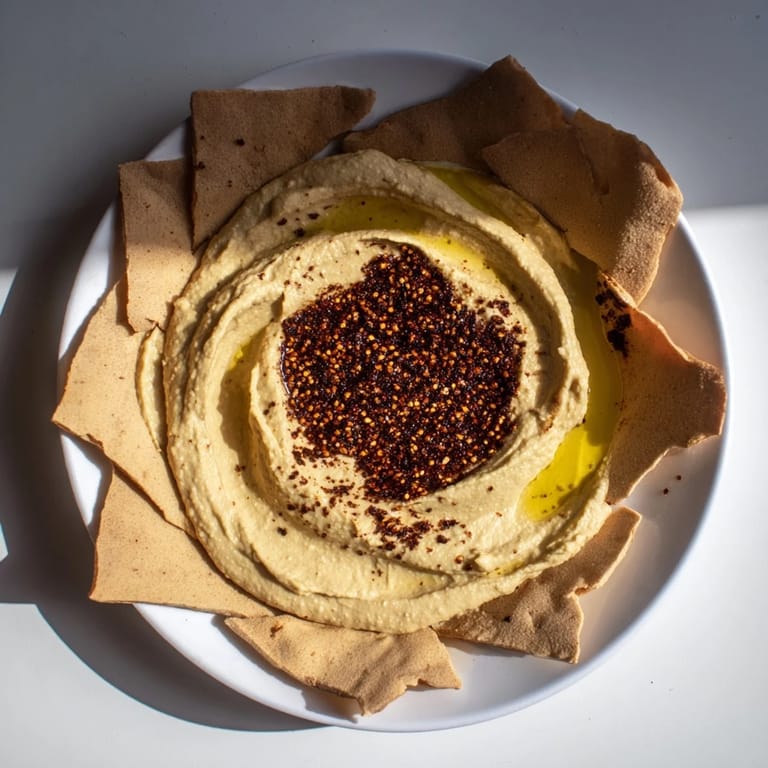
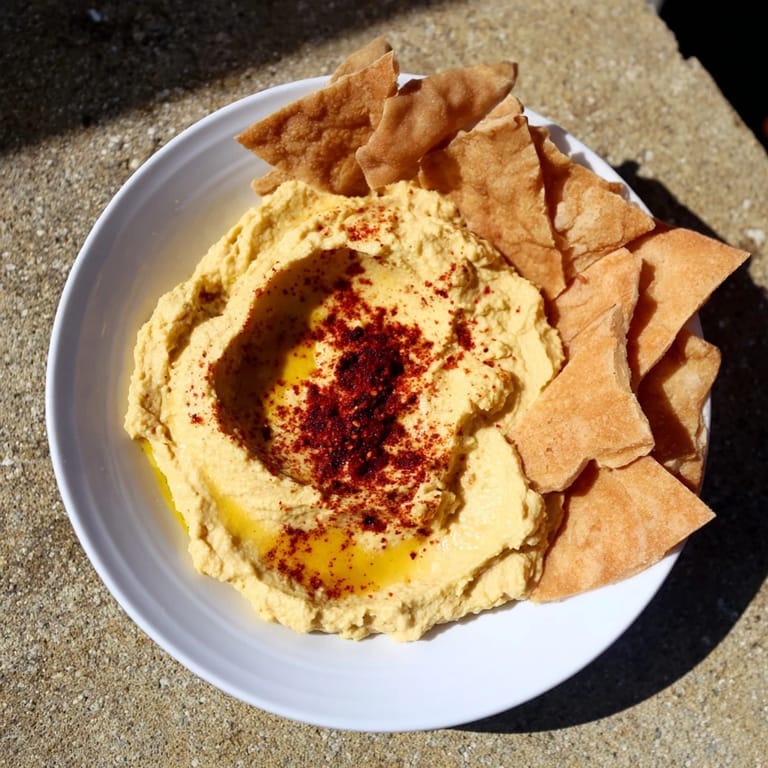
- Use a spoon or offset spatula to sculpt the hummus into undulating mounds on your serving platter, as if you're re-creating miniature dunes. Drizzle with olive oil, dust with sumac or paprika, scatter parsley if using, and arrange the cooled chips around the mounds like a desert landscape.
 Save to Pinterest
 There's something about serving food that tells a story—food that looks like somewhere else, tastes like care, and makes people linger longer at the table than they planned to. This dish does that, in the simplest way.
The Art of Sculpting
Shaping the hummus is the moment where cooking becomes a little bit like art. I've found that dipping your spoon in warm water helps the hummus release smoothly without sticking, and moving slowly, almost meditative, gives you those soft, natural-looking undulations. Some people use an offset spatula, and that works too—whatever tool feels good in your hand is the right one. The goal isn't perfection; it's creating something that looks like it came from nature, not a mold.
Pita Chip Perfection
The difference between chips that are crispy throughout and chips that are crispy on the outside but chewy inside comes down to one thing: the halfway flip. Don't skip it, and don't let them sit in the oven longer than they need to. I've learned that every oven runs a little hot or cool, so the first time you make these, set a timer for eight minutes and start checking; you'll know what to expect next time. Once they cool, they'll crisp up even more, so resist the urge to overbake them while they're still hot.
Why This Works as an Appetizer
Appetizers should wake up the appetite, not satisfy it, and this one does exactly that—the saltiness of the chips, the earthiness of the hummus, and the brightness of the lemon all make people want more. It's light enough that you're not full before the main course, but substantial enough that nobody feels like they're just eating air. I love serving this about thirty minutes before dinner so people can graze a little while you're putting final touches on everything else.
- Make the hummus and chips up to a day ahead, then plate and garnish right before guests arrive for maximum freshness.
- If you're serving a crowd, double the batch; these disappear faster than you'd expect.
- Pair with something cool and crisp to drink—white wine, sparkling water with lemon, or even a light beer work beautifully.
 Save to Pinterest
 Every time I make this, I'm struck by how a little care with presentation and a few quality ingredients can turn something humble into something memorable. It's one of those recipes that reminds me why I love to cook.
Common Recipe Questions
- → What spices enhance the flavor of the hummus?
Ground cumin and a touch of garlic bring warmth and depth to the hummus, complemented by fresh lemon juice for brightness.
- → How can pita chips mimic desert dunes?
Cut into irregular, curved triangles and dusted with smoked paprika and cumin, the pita chips visually resemble rolling sand dunes and add a smoky crunch.
- → What is the best way to achieve creamy hummus texture?
Blending chickpeas with tahini, olive oil, lemon, and adding cold water gradually ensures a smooth, velvety consistency.
- → Are there gluten-free alternatives for the chips?
Yes, gluten-free crackers can replace pita chips to accommodate gluten sensitivities without compromising texture.
- → How can extra flavor be added to the hummus?
Incorporating roasted garlic or a pinch of cayenne pepper intensifies the taste and adds a subtle smoky or spicy kick.