 Save to Pinterest
 One Thursday evening, I was staring into my fridge wondering what to make with the Greek yogurt that was about to expire, when I spotted a lemon rolling around on the shelf. That combination clicked—tangy yogurt, bright citrus, garlic—and within minutes I had something that tasted like it belonged in a sun-soaked Mediterranean kitchen. It became one of my go-to weeknight dishes, the kind that feels fancy enough for guests but simple enough that I can make it without thinking too hard.
I made this for my sister last spring when she was going through a phase of trying to eat lighter, and watching her face when she tasted it—that moment of surprise that something so creamy could also feel so clean—that's when I knew this recipe was special. She's made it probably a dozen times since then, which is the highest compliment I could get.
Ingredients
- Dried pasta: Use whatever shape you love—I lean toward linguine or spaghetti because they catch the sauce beautifully, but penne works just fine if that's what you have.
- Olive oil: Good quality matters here since there aren't many ingredients to hide behind; it adds depth you'll actually notice.
- Garlic cloves: Mince them finely so they distribute evenly and soften into the sauce rather than sitting as chunky bits.
- Plain Greek yogurt: Full-fat tastes richer and silkier, but low-fat works if that's your preference—just don't use flavored yogurt or you'll regret it.
- Fresh lemon: Zest it before juicing to avoid wasting any of that fragrant yellow part; both the zest and juice are essential to the flavor.
- Parmesan cheese: Freshly grated makes a real difference in how it melts into the sauce, so don't grab the pre-shredded stuff.
- Sea salt and black pepper: These aren't afterthoughts—season thoughtfully as you go rather than dumping everything in at the end.
- Red pepper flakes: Optional, but they add a whisper of heat that plays beautifully with the tang.
- Fresh parsley: Chopped at the last moment so it stays bright and vibrant rather than turning dark and sad.
Tired of Takeout? 🥡
Get 10 meals you can make faster than delivery arrives. Seriously.
One email. No spam. Unsubscribe anytime.
Instructions
- Get your water boiling and pasta going:
- Fill a large pot generously with water, salt it so it tastes like the sea, and let it come to a rolling boil. Once the pasta hits the water, set a timer and give it a stir after a minute so nothing sticks together.
- Build your sauce base with garlic:
- While pasta cooks, warm olive oil in a large skillet over medium heat until it shimmers slightly, then add your minced garlic. You're looking for that moment when it becomes fragrant and golden around the edges—about a minute or two—before it starts to brown and turn bitter.
- Gently fold in the creamy, tangy elements:
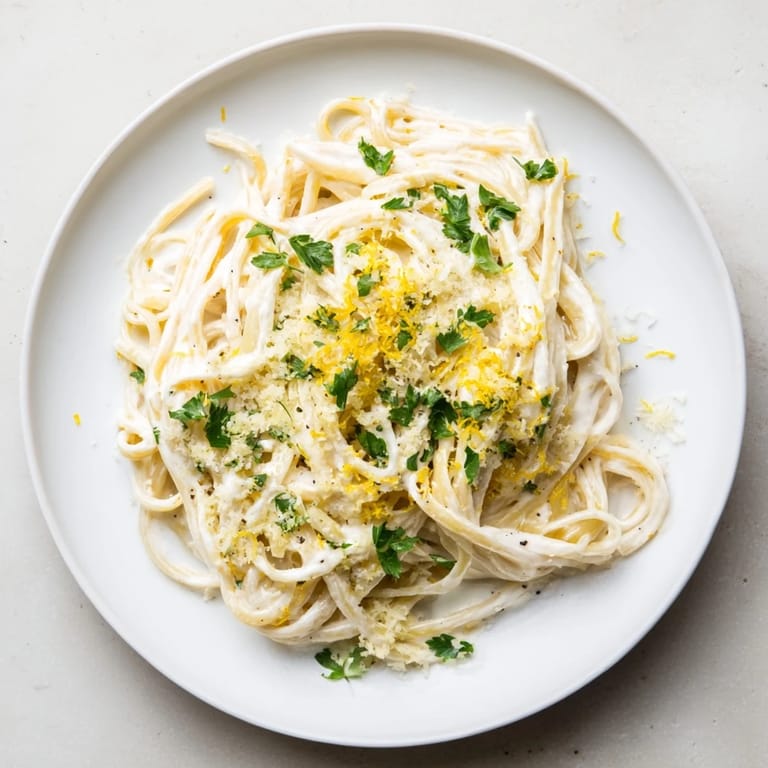
- Lower the heat to medium-low and add the Greek yogurt, lemon zest, lemon juice, Parmesan, salt, pepper, and red pepper flakes if you're using them. Stir slowly and deliberately—you're not whisking here, just gently combining until everything is smooth and unified. The heat should be low enough that you never see bubbles breaking the surface.
- Bring everything together:
- Drain your pasta, remembering to save that starchy pasta water first—it's the secret to getting the sauce to coat properly. Toss the hot pasta into the skillet with the sauce, and start adding pasta water a splash at a time, stirring gently, until you have something silky and pourable but not soupy.
- Finish and serve immediately:
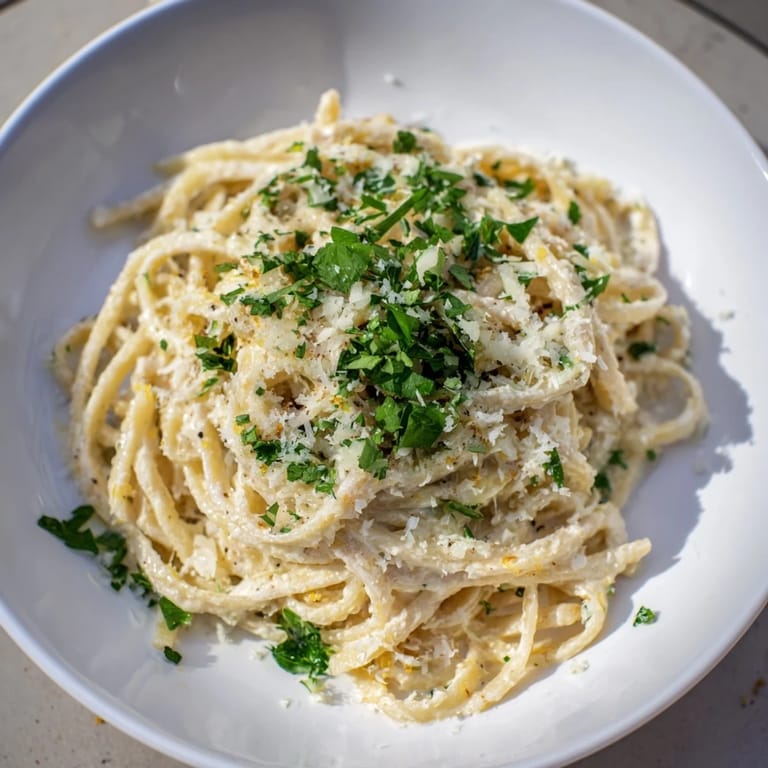
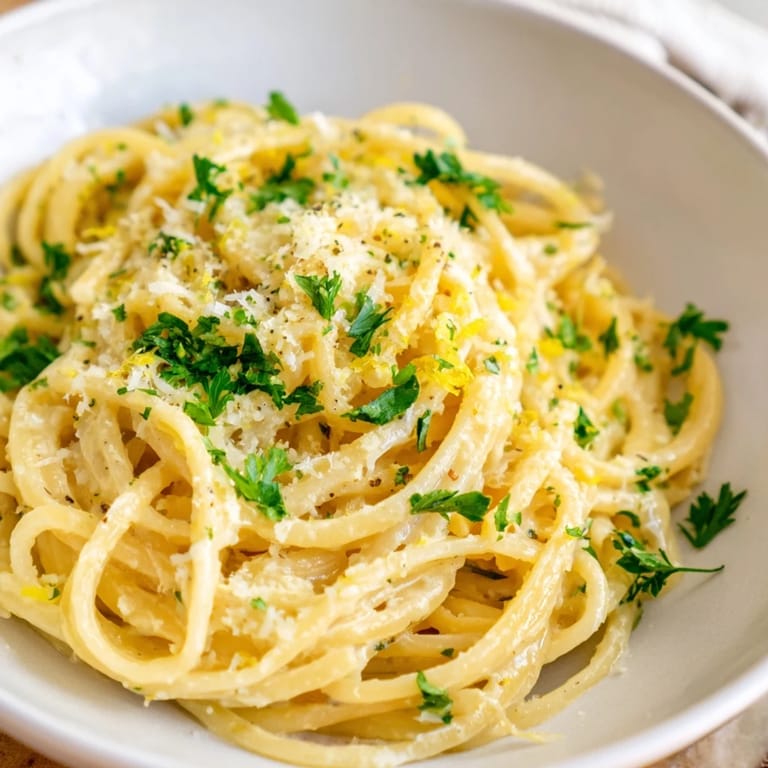
- Turn off the heat while the pasta is still slightly underdone because it keeps cooking from residual warmth. Divide among bowls and top with fresh parsley, extra Parmesan, and maybe a thin slice of lemon or a sprinkle of zest.
 Save to Pinterest
 There was a quiet evening last summer when I served this to my partner, and he asked for seconds before even finishing his first bowl. We ate in silence for a moment, just enjoying it, and I realized that's when food stops being about recipe instructions and becomes about the feeling of being cared for. That's what this dish does.
Why Lemon and Greek Yogurt Were Meant to Be Together
The brightness of lemon cuts through the richness of yogurt in a way that feels almost orchestrated—neither overpowers the other, and together they create something that tastes lighter and fresher than either would alone. It's the same reason Greek yogurt works so beautifully with herbs and acid; it's not trying to be heavy or indulgent, just clean and straightforward. Once you understand this balance, you'll find yourself using it in other dishes too.
Making This Recipe Your Own
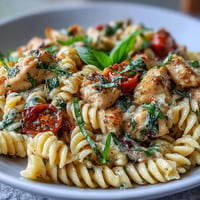
The foundation is solid, but this is a dish that welcomes additions once you've made it once or twice. Grilled chicken, roasted chickpeas, wilted spinach, sun-dried tomatoes, or even thinly sliced radishes all find a comfortable place here. Think of it as a canvas rather than a strict blueprint—the yogurt-lemon sauce is what holds everything together, and everything else is just variations on a theme.
Pairing and Serving Suggestions
On its own this pasta is satisfying, but a simple salad with peppery arugula and a sharp vinaigrette alongside it makes the meal feel complete. The wine pairing matters too—a crisp white wine with good acidity echoes the lemon and keeps things feeling light and Mediterranean rather than heavy. If you're feeding people who care about such things, that detail makes them feel seen.
- A crisp Sauvignon Blanc or Pinot Grigio complements the lemon and yogurt beautifully without competing for attention.
- Try a fresh green salad dressed simply with olive oil, lemon juice, and salt to balance the richness on the plate.
- If you want protein, add grilled chicken or chickpeas rather than meatballs or heavy proteins that would tip the balance.
 Save to Pinterest
 This is the kind of recipe that rewards you for keeping a few good ingredients on hand and for being willing to spend fifteen minutes cooking instead of ordering takeout. It reminds me that simple food, made with attention, tastes better than complicated food made on autopilot.
Common Recipe Questions
- → Can I use different types of pasta?
Yes, spaghetti, linguine, penne, or others work well with this sauce, providing the ideal texture to hold the creamy mixture.
- → How do I prevent the yogurt sauce from curdling?
Keep the heat low when adding yogurt and avoid boiling to maintain a smooth, creamy sauce.
- → Can I substitute Greek yogurt with another dairy product?
Options like skyr or labneh can be used for a similar tangy and creamy texture.
- → What is the purpose of reserving pasta water?
The starchy pasta water helps loosen the sauce, making it silky and allowing it to coat the pasta evenly.
- → How can I add extra protein to this dish?
Consider adding grilled chicken, chickpeas, or your preferred protein to complement the creamy texture and boost nutrition.