 Save to Pinterest
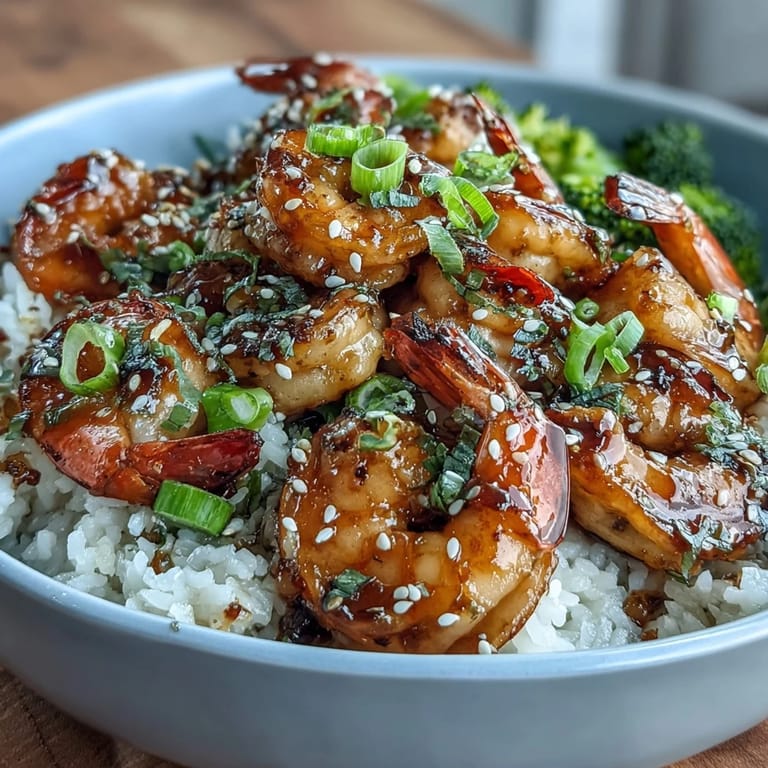
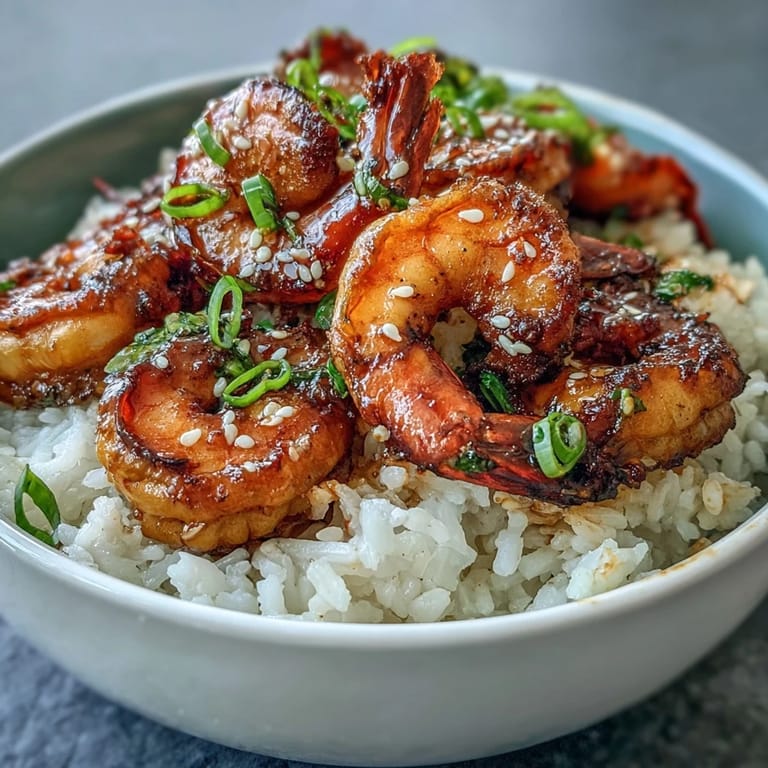
 Sizzling shrimp against the whisper of jasmine rice was never an intentional tradition in my kitchen, but the irresistible aroma that fills the air each time I whip this together has a way of making weeknights feel a little special. It started as a quick experiment when I grabbed a bag of shrimp on a whim and needed something nourishing yet unfussy. The light tang of the sauce melds perfectly with the sweet, briny shrimp—it's become my go-to when I crave something fresh and protein-packed without much work. Every bowl feels like a small celebration of vibrant flavors and color. Even on the busiest days, this dish manages to bring a burst of brightness to my table.
I once made these shrimp rice bowls late on a Sunday when my friend Lana dropped by after a long hike; we laughed at how both of us were too tired to cook but too hungry to snack. Cooking together, fiddling with the sauce while debating whether to add edamame or snap peas, the bowl went from a mere meal to the highlight of our evening. Sometimes dinner is just dinner, but that night it became an easy victory we still talk about. The kitchen was a pleasant mess, full of steam and chatter, and the leftovers were fought over with chopsticks the next day.
Ingredients
- Large shrimp (250 g, peeled and deveined): Choose fresh or frozen but make sure they're fully thawed—searing wet shrimp means soggy, not succulent.
- Jasmine or basmati rice (1 cup uncooked): Fluffy rice provides gentle contrast to the juicy shrimp; rinsing it first keeps the grains light and separate.
- Steamed broccoli florets (1 cup, optional): Adds color, crunch, and a soothing earthiness, especially when steamed just until crisp-tender.
- Small carrot (julienned, optional): Raw carrot adds sweetness and snap, and looks like confetti going into the bowl.
- Spring onions (2, thinly sliced): Give everything a bright, peppery bite and dress up the finished dish.
- Low-sodium soy sauce (2 tbsp): Brings depth and savoriness without overpowering—using low-sodium means you can taste the other flavors.
- Rice vinegar (1 tbsp): A gentle tang that wakes up the sauce; don't skip it.
- Sesame oil (1 tsp): Just a little packs a nutty punch, best added in the sauce rather than as a cooking oil.
- Honey or maple syrup (1 tsp): A touch of sweetness balances out soy's saltiness and vinegar's acid.
- Garlic clove (1, minced): The sizzle of fresh garlic makes the kitchen smell like something good is coming.
- Fresh ginger (1/2 tsp, grated): Ginger wakes up your palate; grate it as fine as you can.
- Sesame seeds (1 tsp, toasted, optional): Adds crunch and a toasty aroma; a quick dry-toast in a pan takes just a minute.
- Fresh cilantro or parsley (optional): Sprinkle these for a burst of green and a whiff of garden-fresh flavor.
Tired of Takeout? 🥡
Get 10 meals you can make faster than delivery arrives. Seriously.
One email. No spam. Unsubscribe anytime.
Instructions
- Make the rice:
- Rinse the grains until the water runs clear, then cook according to the package and fluff with a fork for perfect texture.
- Whisk the sauce:
- Mix soy sauce, vinegar, sesame oil, honey, garlic, and ginger in a bowl; inhale that tangy aroma and know you’re off to a good start.
- Sauté the shrimp:
- Heat a non-stick skillet over medium-high, toss in shrimp and cook for 2–3 minutes until they blush pink; pour in half the sauce and cook another minute for glossy, fragrant shrimp.
- Prepare the veggies:
- If you want more color and crunch, steam broccoli and julienne carrots just until vibrant and tender-crisp.
- Assemble the bowls:
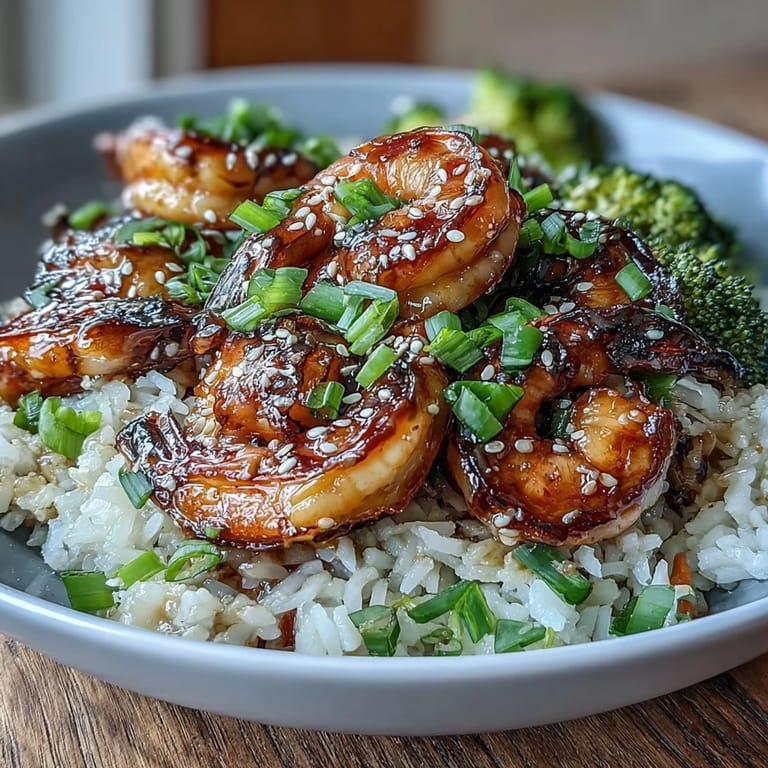
- Divide rice between bowls, then layer with shrimp, veggies, and spring onions; it's a kitchen confetti moment.
- Finish and serve:
- Drizzle over the remaining sauce, sprinkle with sesame seeds and herbs, then serve right away while still warm and inviting.
 Save to Pinterest
 The first time my nephew tried this bowl, he paused mid-bite and announced that it was the first 'healthy' dish he’d beg to have again. That kitchen conversation made the whole process worth repeating. Suddenly the simple act of cooking shrimp and rice had become an inside joke and a shared moment—the kind you hope to stumble on more often.
Swapping and Substituting for More Variety
Sometimes I swap in quinoa or brown rice when the pantry demands a change, and I almost always let the market dictate what veggies go on top. Leftover grilled asparagus, a handful of edamame, or slices of fresh avocado have all found their way into my bowls with great results. When I want a spicy kick, a flick of chili flakes or a swirl of sriracha does the trick. It’s honestly a dish that forgives improvisation while still feeling polished.
How to Make It Meal Prep Friendly
The components store beautifully. I usually double up the rice and shrimp, keep the sauce in a jar, and then assemble just before eating so everything stays vibrant—it's perfect for workday lunches or quick dinners. You can reheat the rice and shrimp in the microwave with a splash of water and everything tastes just-cooked. Just add the sauce and fresh toppings right before serving for best results.
Finishing Touches That Make It Special
The sprinkling of sesame seeds and torn fresh herbs at the end might seem optional, but they make all the difference in appeal and flavor. A quick toast to the seeds in a dry pan brings out their nuttiness. I sometimes even let guests garnish their own bowl for a bit of fun and camaraderie at the table.
- Squeeze a bit of lime over each bowl for brightness.
- Let the shrimp cool a minute so their juices don’t make the rice soggy.
- Prep extra sauce—everyone will ask for it.
 Save to Pinterest
 Weeknights or weekends, this shrimp rice bowl manages to bring happy colors and a hearty dose of protein every time. I hope it brings the same energy and easy joy to your kitchen as well.
Common Recipe Questions
- → How long should I cook large shrimp?
Sear large shrimp over medium-high heat for 2–3 minutes per side until pink and opaque; they cook very quickly, so watch closely to avoid toughness.
- → Which rice works best here?
Jasmine or basmati give a light, fragrant base; use brown rice or quinoa for more fiber and a nuttier texture, adjusting cooking time per grain.
- → How can I make the sauce gluten-free?
Use a gluten-free tamari or coconut aminos in place of regular soy sauce and keep the rice vinegar, sesame oil, honey or maple for balanced flavor.
- → Can I batch-cook components ahead?
Yes. Cook rice and steam vegetables in advance and refrigerate. Quickly sauté shrimp and rewarm components before assembling to keep textures fresh.
- → What are good add-ins for more protein or veg?
Add edamame, diced bell peppers, avocado slices, or extra steamed greens. For extra protein, fold in chopped tofu or a soft-cooked egg on top.
- → How do I adjust heat level?
Stir a dash of sriracha, chili flakes, or minced fresh chili into the sauce to taste, or serve spicy condiments on the side for individual control.