 Save to Pinterest
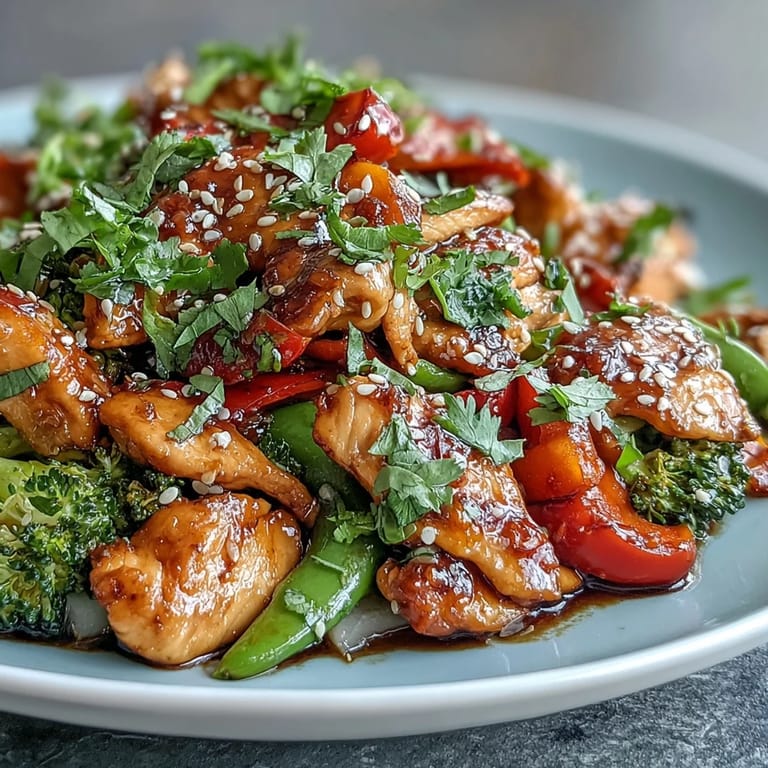
 The crackle of my wok is always a welcome signal that dinner is only minutes away, and this high-protein chicken stir fry delivers on both taste and speed. There's something oddly satisfying about the rush of colors from crisp bell peppers and broccoli, each piece sizzling as it hits the pan. I remember once, the vibrant scent of fresh ginger filled the kitchen, making me pause just to breathe it in. What began as a quick weeknight experiment slowly became my reliable backup plan for those training-heavy weeks. Each time I make it, there's a sense of accomplishment in loading up my bowl with so much goodness in under half an hour.
Last summer, I cooked this stir fry for a few friends after an impromptu gym session. We were all tired, famished, and more than a little sweaty, but as soon as that first batch hit the table, laughter erupted at how something so healthy could taste that good. The meal was gone in a heartbeat, but I still recall the clinking of chopsticks and the greed for seconds. It was one of those easygoing evenings where the food felt as energizing as the company. I've since made it on countless busy nights, but that summer memory stands out every time I whip up the sauce.
Ingredients
- Chicken breast: Using thinly sliced, boneless chicken ensures each bite is juicy and soaks up the sauce; I learned to pat the pieces dry for the best browning.
- Red and yellow bell peppers: Their sweetness and color brighten the finished dish—try to slice them evenly for quick, even cooking.
- Carrot: Julienning the carrot gives just enough crunch and a light earthiness; keep the strips thin for that ideal texture.
- Broccoli florets: These deliver a green punch and hold up well to high heat; a quick rinse and pat dry prevents splatter.
- Sugar snap peas: Their snap and subtle sweetness are a game changer—let them just kiss the pan to keep their pop.
- Spring onions: Added at the end, they give a fresh lift; use both the white and green parts for extra flavor.
- Garlic and fresh ginger: These aromatics create that signature stir fry aroma that tells everyone dinner is close.
- Low sodium soy sauce (or tamari): The backbone of the sauce—tamari keeps it gluten-free without sacrificing umami.
- Oyster sauce (optional): When I want a richer depth, I don’t skip this, but it’s tasty without too.
- Sesame oil: Just a drizzle gives a lovely nutty finish—don’t go overboard.
- Rice vinegar: Brightens and balances all the flavors, cutting through the richness.
- Honey or maple syrup: A touch of sweetness rounds out the savory notes; either works perfectly.
- Cornstarch slurry: Whisked in at the end, it turns the sauce glossy and helps it cling to everything.
- Neutral oil (e.g., canola, sunflower): High smoke point—never use olive oil for proper stir fry sizzle.
- Sesame seeds & fresh cilantro: Garnishes that add a crunch and a splash of green at the very end; parsley is a good backup.
Tired of Takeout? 🥡
Get 10 meals you can make faster than delivery arrives. Seriously.
One email. No spam. Unsubscribe anytime.
Instructions
- Mix up the magic sauce:
- In a small bowl, whisk together soy sauce, oyster sauce, sesame oil, rice vinegar, honey, and the cornstarch slurry—you want it silky and lump free.
- Sear the chicken:
- Heat 1 tablespoon of oil in your wok or skillet over high flame; once shimmering, add the chicken strips, listening for that gentle sizzle as they turn golden and cook through in about 3-4 minutes.
- Sauté aromatics:
- After setting aside the chicken, swirl in the remaining oil, then toss in garlic and ginger for 30 seconds until the whole kitchen smells invitingly sharp and warm.
- Add the vegetables:
- Throw in all your prepped veggies, stirring quickly so each one gets just-tender and vibrant—leave them with some crunch, about 3-4 minutes.
- Bring it all together:
- Return the cooked chicken along with its juices, pour over the sauce, and toss vigorously; in 1-2 minutes the sauce thickens and everything takes on a glossy coating.
- Finish and serve:
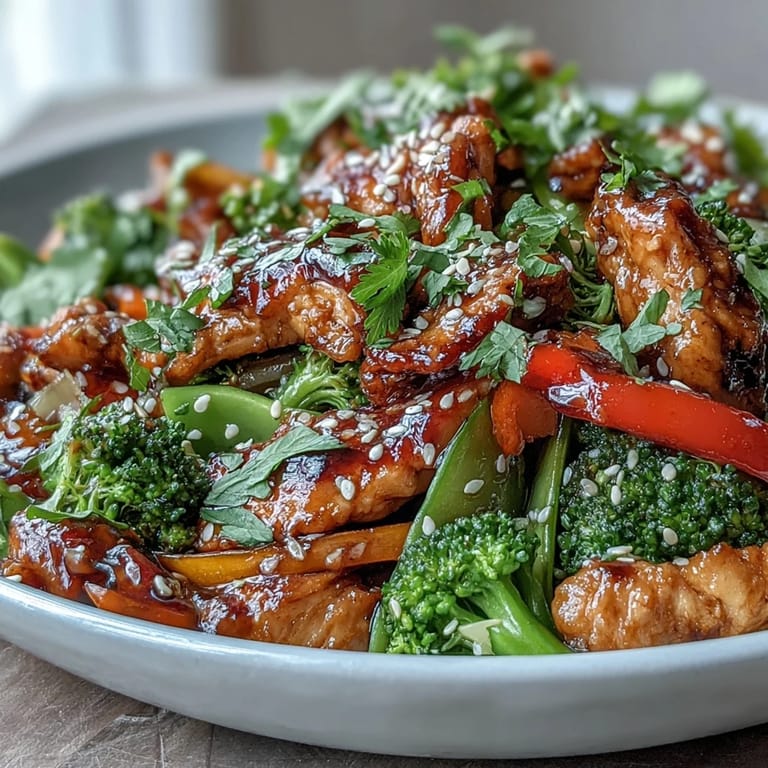
- Off the heat, scatter sesame seeds and fresh herbs over the top, then dive in immediately with rice, quinoa, or even bare—it's that good.
 Save to Pinterest
  Save to Pinterest
 One evening, while trying to impress someone with my so-called ‘culinary skills’, I ended up practicing chopstick twirls and almost tossing half the stir fry onto the floor. It became a running joke, but between the laughter, we both agreed that the dish—rescued and intact—tasted like something straight from a restaurant. Since then, even my less-than-perfect attempts at this chicken stir fry have been met with grins and requests for the recipe. That’s when I realized food really can break the ice, even if you drop a few snap peas on the way.
The Secret Behind Quick Weeknight Perfection
Stir fry is all about readiness; prepping every ingredient before you heat the pan is key. I start by chopping everything and arranging it in bowls so there’s no scrambling mid-cook. It’s a small step that turns what could be chaos into choreography—plus, you'll move with the confidence of a seasoned chef. Everything comes together so fast, there's barely time for a taste-test before it's ready. This little ritual means dinner makes it to the table just as the hunger hits, not a moment later.
Get the Sizzle—Tips for the Best Stir Fry Texture
Using a large wok over high heat lets veggies and chicken get those little browned spots that make each bite irresistible. Avoid crowding the pan, or your food will steam and lose that classic crunch. If you have to cook in batches, it’s worth that extra step for taste and texture. Even a humble skillet can work well—just give ingredients space to breathe. The reward is vegetables that stay bright and chicken that’s anything but dry.
Ingredient Swaps and Customization Ideas
The beauty of this dish is its flexibility—nearly any veggie hiding in your fridge gets a chance at stardom if you slice it right. Leftover zucchini, snow peas, or mushrooms are welcome; edamame or roasted cashews bring an extra protein boost. I often swap the garnish for whatever fresh herb is closest, or sprinkle in chili flakes when I crave a kick.
- If you want it gluten-free, double check every label—hidden gluten loves to sneak into sauces.
- Brown rice, quinoa, or even cauliflower rice all work for a satisfying base.
- Always prep a little extra sauce; everyone wants more to drizzle on their plate.
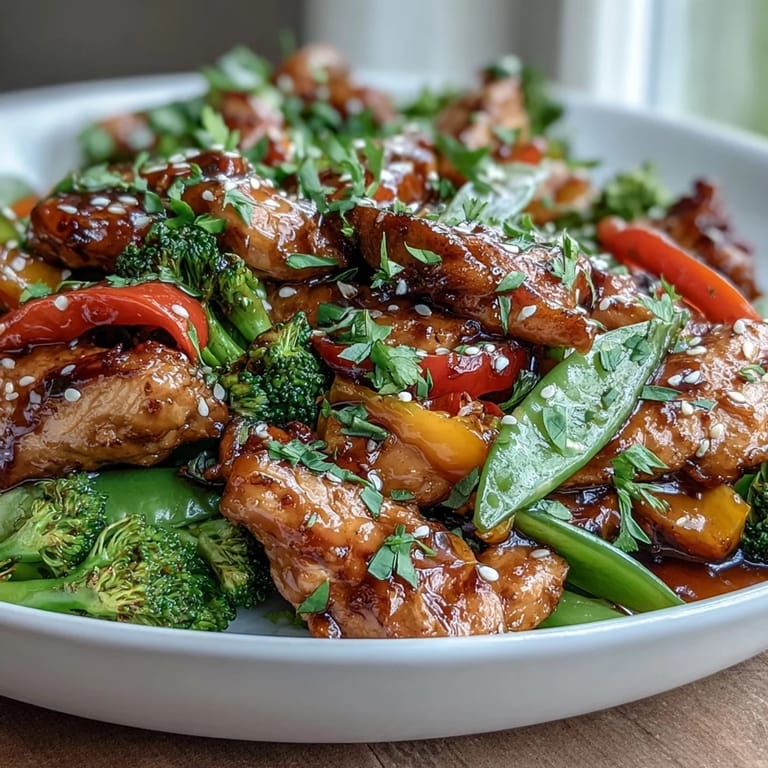 Save to Pinterest
 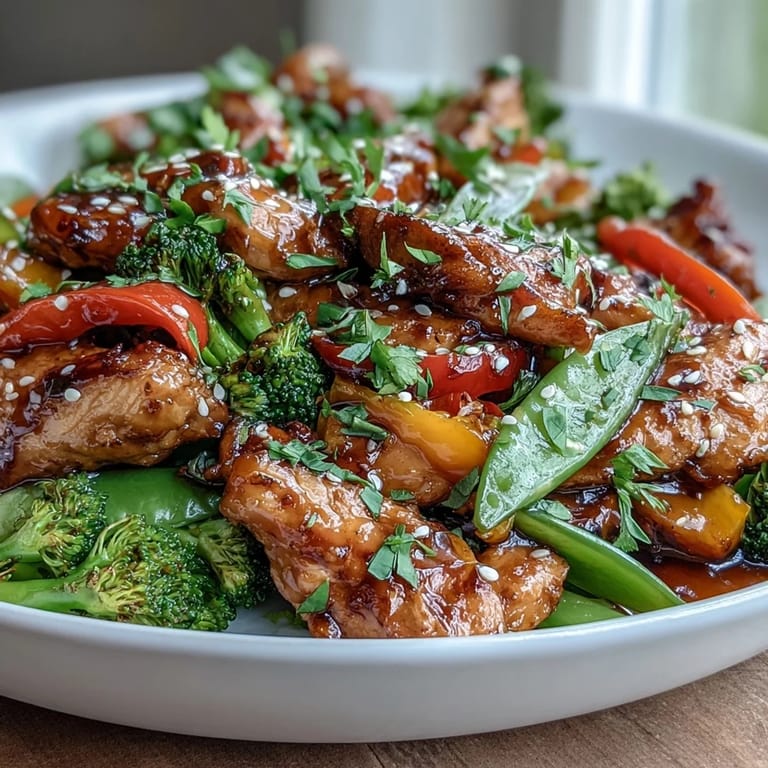 Save to Pinterest
 This stir fry is proof that healthy, homemade meals don’t have to be a fuss. Keep it playful in the kitchen and you’ll find yourself reaching for these ingredients again and again.
Common Recipe Questions
- → How do I keep the chicken tender?
Pat the chicken dry and slice thin for fast, even cooking. Use high heat and stir constantly for 3–4 minutes until just cooked through; remove it briefly while you cook the vegetables to avoid overcooking.
- → What is the best way to thicken the sauce?
Mix cornstarch with cold water to make a slurry and stir it into the sauce at the end of cooking. Heat for 1–2 minutes until the sauce turns glossy and coats the ingredients.
- → How can I make this gluten-free?
Swap regular soy sauce for tamari or coconut aminos and check labels on oyster sauce; omit or replace with a gluten-free savory condiment if needed.
- → How can I boost the protein even more?
Add edamame, extra chicken, or a handful of roasted cashews. Firm tofu can also be stir-fried separately and folded in for plant-based protein.
- → Can I change the vegetables?
Yes. Use seasonal or preferred vegetables like zucchini, mushrooms, snow peas or baby corn. Cut everything to similar sizes so they cook evenly and stay crisp-tender.
- → What is the best way to store and reheat leftovers?
Keep leftovers in an airtight container in the fridge for up to 3–4 days. Reheat in a skillet over medium-high heat with a splash of water to loosen the sauce; this helps maintain texture better than microwaving.