 Save to Pinterest
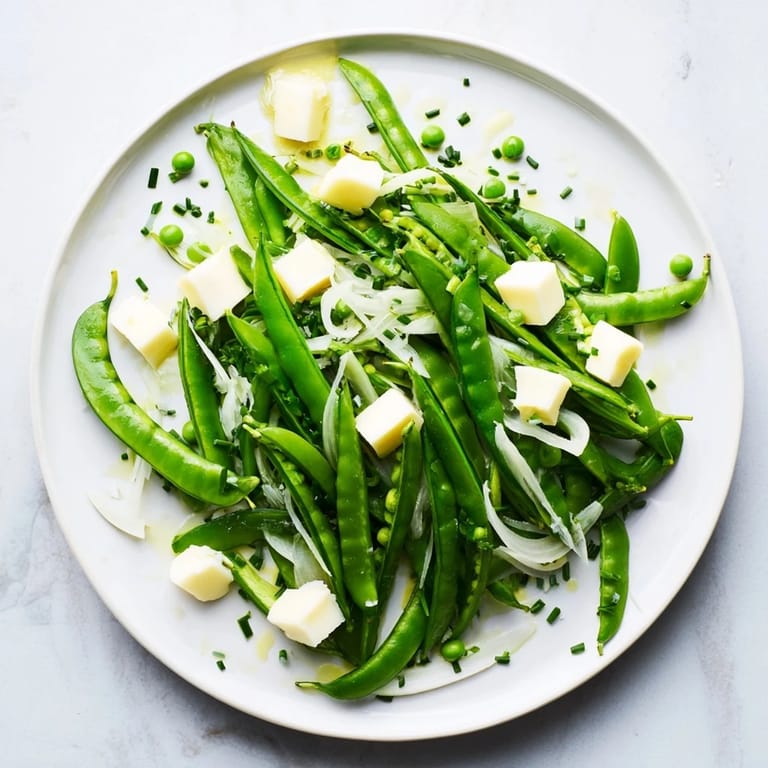
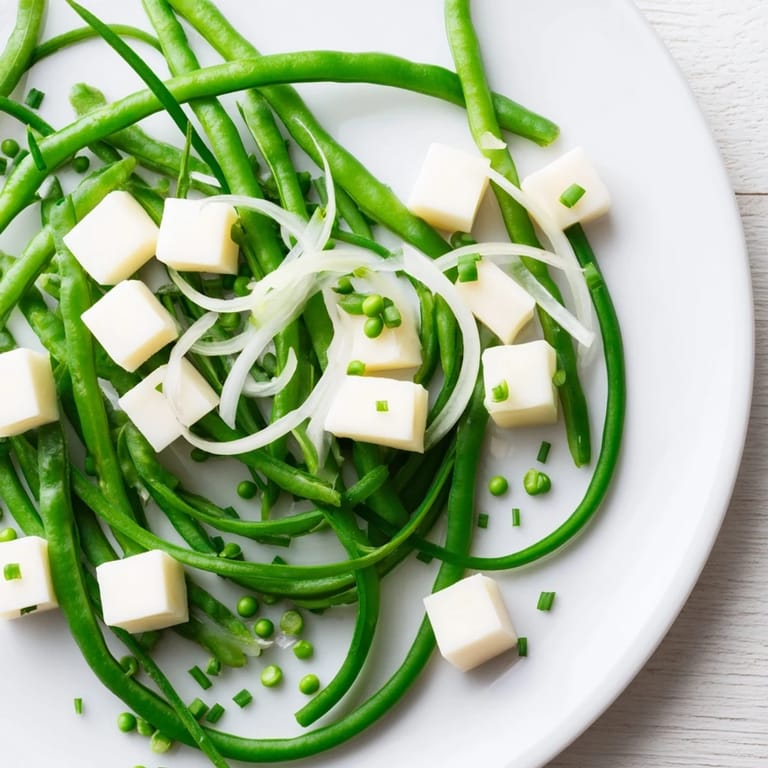
 My neighbor brought this salad to a summer potluck, arranged on a white platter like edible ivy creeping across a garden wall. I asked for the recipe expecting something complicated, but she laughed and said it was just snap peas, green beans, sharp cheddar, and a whisper of lemon in the dressing. What stuck with me wasn't the ingredients—it was how the warm vegetables held onto the cold crunch, and how that salty cheese cut through everything like a flavor revelation.
I made this for my daughter's school lunch competition once, arranging the peas and beans in long spirals on a dark slate platter. She came home saying everyone assumed I'd spent hours on it, when really I'd just blanched vegetables while her brother set the table. That's when I realized this recipe rewards presentation more than effort, and there's something liberating about that.
Ingredients
- Snap peas: Choose firm, bright ones with no blemishes—they should snap when you bend them, and that's your signal they'll keep their crunch after blanching.
- Green beans: The thinner variety works best here because they cook faster and stay tender without turning mushy.
- Sharp white cheddar: Don't use mild cheddar; this needs bite to stand up to the bright lemon and mustard in the dressing.
- Shallot: Sliced paper-thin so it softens slightly in the dressing without overpowering the vegetables.
- Extra virgin olive oil: Use one you actually enjoy tasting straight, because you taste it here.
- Fresh lemon juice: Bottled won't work the same way—fresh juice makes the dressing sing.
- Dijon mustard: A small amount adds depth without tasting spicy.
- Honey: Just enough to round out the sharpness and balance the acid.
- Fresh chives: These add a gentle onion whisper at the end that ties everything together.
Tired of Takeout? 🥡
Get 10 meals you can make faster than delivery arrives. Seriously.
One email. No spam. Unsubscribe anytime.
Instructions
- Boil the water and blanch:
- Fill a large pot with salted water and bring it to a rolling boil—you want it aggressive enough that the vegetables start cooking immediately when they hit the water. Add both snap peas and green beans together, watching them turn a vivid, almost neon green within about two minutes, which is your cue they're done.
- Shock them cold:
- The second they reach that bright green stage, fish them out with a slotted spoon and plunge them into a bowl of ice water to stop the cooking dead. This preserves that snap and freshness; skip this step and you'll end up with slightly soft vegetables that never quite regain their character.
- Make the dressing:
- Whisk the olive oil, lemon juice, mustard, and honey together in a large bowl, tasting as you go—you're looking for tangy but balanced, where no single flavor dominates.
- Dress while warm:
- Pat the blanched vegetables dry and toss them with the shallot and dressing while they're still slightly warm, which helps them absorb the flavors better than if you let them cool completely.
- Arrange with intention:
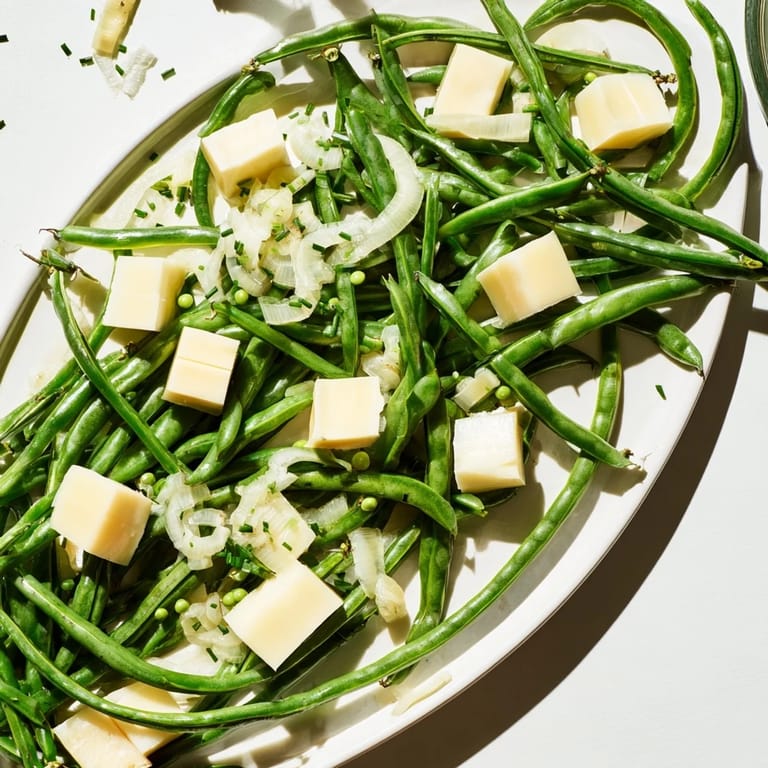
- Pile the vegetables on your serving platter in loose, winding patterns—think of actual ivy creeping across a wall rather than neat rows. This casual arrangement is what makes the dish feel alive.
- Top and serve:
- Scatter the cheddar cubes across the top, shower it with fresh chives, and add microgreens if you have them. Serve while everything is still cool and the vegetables are at their crunchiest.
 Save to Pinterest
 I served this at a dinner party where someone was skeptical about eating salad in summer, and they ended up having thirds. That's when I understood that this recipe works because it respects what vegetables actually want to be—fresh, bright, and unmasked by heavy dressings or pretension.
The Magic of Contrast
What makes this salad memorable is how it builds flavor in layers rather than all at once. The vegetables contribute sweetness and crunch, the shallot adds a sharp note that softens as it sits in the dressing, the cheese brings savory intensity, and the lemon keeps everything from feeling too rich. This isn't a salad that tastes the same on the first bite and the last bite—it evolves, and that's what makes people reach for more.
When to Make This
This works as a side at summer dinners, a light lunch with crusty bread, or even as part of a composed plate for entertaining. It also travels well to potlucks because the vegetables stay cool and the flavors actually improve slightly as the shallot softens in the dressing over a few hours. I make it in spring when snap peas first appear at the market, and again in late summer when the last sweet green beans show up before the season turns.
Room for Variation
While the core of this recipe is unchanging, I've learned it welcomes small additions without losing its identity. Toasted walnuts add a deep nuttiness that complements the cheese, or you can swap the cheddar for a tangy goat cheese if you want something lighter and more herb-forward. Some nights I add a handful of pea shoots or microgreens at the very end for an extra layer of delicate color and texture.
- Toasted walnuts or almonds transform it into something more substantial and autumnal.
- Goat cheese or feta create a tangier, more Mediterranean version of the same idea.
- Pea shoots or microgreens add visual drama and a peppery whisper without changing the core flavor.
 Save to Pinterest
 This salad taught me that simple recipes often carry more impact than complicated ones, especially when you understand why each ingredient matters. It's become my go-to when I want to cook something that feels special without pretending to be something it's not.
Common Recipe Questions
- → How should I blanch the snap peas and green beans?
Boil them in salted water for about 2 minutes until bright green and tender, then immediately transfer to ice water to stop cooking and keep crispness.
- → Can I substitute the sharp white cheddar?
Yes, goat cheese or feta make excellent alternatives for a tangier flavor and similar texture contrast.
- → What dressing ingredients complement the vegetables?
A blend of extra virgin olive oil, fresh lemon juice, Dijon mustard, honey, salt, and pepper brings balanced zest and sweetness to the salad.
- → How do the herbs enhance the dish?
Fresh chives and optional microgreens add a mild oniony note and a delicate freshness that complements the vegetables and cheese.
- → What optional additions can add texture?
Toasted walnuts or almonds provide a pleasant nutty crunch when sprinkled on top before serving.