 Save to Pinterest
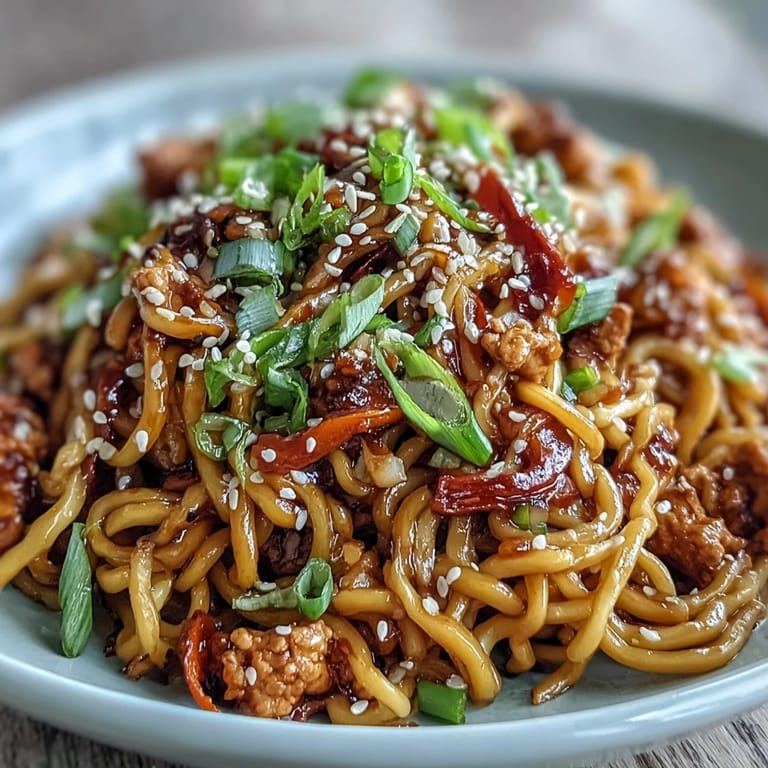
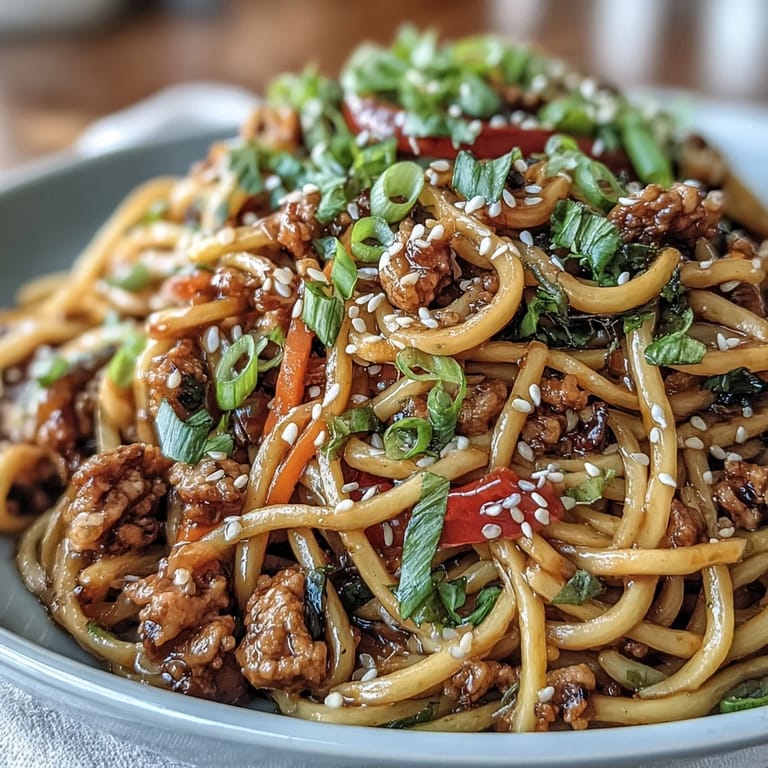
 My neighbor once brought over a takeout box of jjapaguri after a long shift, and I remember sitting on the floor eating it straight from the container, thinking about how something so simple could feel so right. That memory stuck with me, and when I wanted to recreate that feeling at home without ordering in, I turned to what I had: ground turkey, a half-used jar of gochujang, and a craving I couldn't ignore. This dish became my answer to those nights when you want bold flavor without the fuss. It's messy in the best way, with noodles that cling to everything and a sauce that coats your lips. I make it now whenever I need something that tastes like comfort with a little fire.
I made this for my brother once when he was between jobs and living on my couch. He ate two bowls standing at the counter, didn't say much, just nodded and went back for seconds. Later that week, he asked if I could teach him how to make it. We stood side by side in my tiny kitchen, and I watched him taste the sauce before adding it to the pan, his face lighting up at the balance of heat and sweetness. That's when I realized this wasn't just a quick dinner, it was the kind of food that makes people feel taken care of. Now every time I make it, I think of him standing there, finally smiling again.
Ingredients
- Fresh or dried wheat noodles: Udon or ramen work best because they have that chew that holds up to stir-frying, and I always rinse them after cooking so they don't clump.
- Soy sauce: The backbone of the sauce, bringing that deep umami that ties everything together.
- Gochujang: This Korean chili paste is where the magic happens, sweet and funky and just spicy enough to make you pay attention.
- Brown sugar: Balances the heat and adds a slight caramel note that clings to the noodles.
- Rice vinegar: A little tang to cut through the richness and wake up your palate.
- Sesame oil: Just a tablespoon, but it makes the whole dish smell like a street market.
- Ground turkey: Lean but flavorful, it soaks up the sauce without feeling heavy.
- Garlic and ginger: Minced fresh, these two are non-negotiable for that aromatic base.
- Yellow onion: Adds sweetness as it softens and a little bite when it's still just tender.
- Carrot: Julienned thin so it cooks fast and adds color and a hint of natural sugar.
- Red bell pepper: Bright, sweet, and it chars just slightly at the edges if your pan is hot enough.
- Shiitake mushrooms: Earthy and meaty, they add another layer of umami that beef up the whole dish.
- Spring onions: Stirred in at the end for a fresh, sharp contrast to the cooked vegetables.
- Toasted sesame seeds: A crunchy finishing touch that makes every bite a little more interesting.
Tired of Takeout? 🥡
Get 10 meals you can make faster than delivery arrives. Seriously.
One email. No spam. Unsubscribe anytime.
Instructions
- Prep the noodles:
- Cook your noodles just until tender, then drain and rinse them under cold water to stop the cooking and keep them from turning gummy. Set them aside and don't worry if they look a little plain, they're about to get dressed up.
- Mix the sauce:
- In a small bowl, whisk together the soy sauce, gochujang, brown sugar, rice vinegar, and sesame oil until smooth. Taste it on your finger, it should be bold, a little sweet, and have that slow-building heat.
- Brown the turkey:
- Heat a tablespoon of oil in your wok over medium-high heat and add the ground turkey, breaking it up with a wooden spoon. Let it cook undisturbed for a minute or two so it gets some color, then stir and cook until it's no longer pink.
- Saute the aromatics:
- Push the turkey to the side or remove it, add another tablespoon of oil, then toss in the garlic and ginger. Stir constantly for about thirty seconds until the smell fills your kitchen and you can almost taste it in the air.
- Stir-fry the vegetables:
- Add the onion, carrot, bell pepper, and mushrooms all at once and keep everything moving in the pan. Cook for three to four minutes until the vegetables are tender but still have a little snap.
- Bring it all together:
- Return the turkey to the pan, add the cooked noodles and the sauce, then toss everything over high heat for a few minutes. The noodles should start to sizzle and the sauce should coat every strand.
- Finish and serve:
- Stir in the spring onions, then divide the noodles among bowls. Top with toasted sesame seeds and extra spring onions, and serve it while it's still steaming.
 Save to Pinterest
 One night I made this for a friend who said she didn't like spicy food, and I panicked halfway through cooking, convinced I'd made a mistake. But she took one bite, paused, then smiled and said it wasn't spicy, it was exciting. That word stuck with me because that's exactly what this dish is, exciting in a way that makes dinner feel like an event, not a chore. Now I make it for anyone who needs a little excitement on a Tuesday night.
What to Do with Leftovers
I've reheated this in a hot skillet with a splash of water to loosen the noodles, and it's honestly just as good the next day. The flavors settle and deepen overnight, and the noodles soak up even more of that gochujang goodness. Sometimes I crack an egg on top and let it fry right into the noodles for breakfast, which sounds weird but tastes like the best decision you'll make all morning. Don't microwave it unless you have no other choice, the texture suffers and you lose that little bit of char.
Swaps and Substitutions
If you can't find gochujang, try mixing sriracha with a little miso paste and a pinch of sugar, it won't be the same but it'll get you close. Ground chicken or even crumbled tofu work in place of turkey, and I've used zucchini, snap peas, and baby spinach when my vegetable drawer was looking sad. Rice noodles are fine in a pinch, though they don't have quite the same chew. Honestly, this recipe is forgiving, so use what you have and don't stress the small stuff.
Serving Suggestions
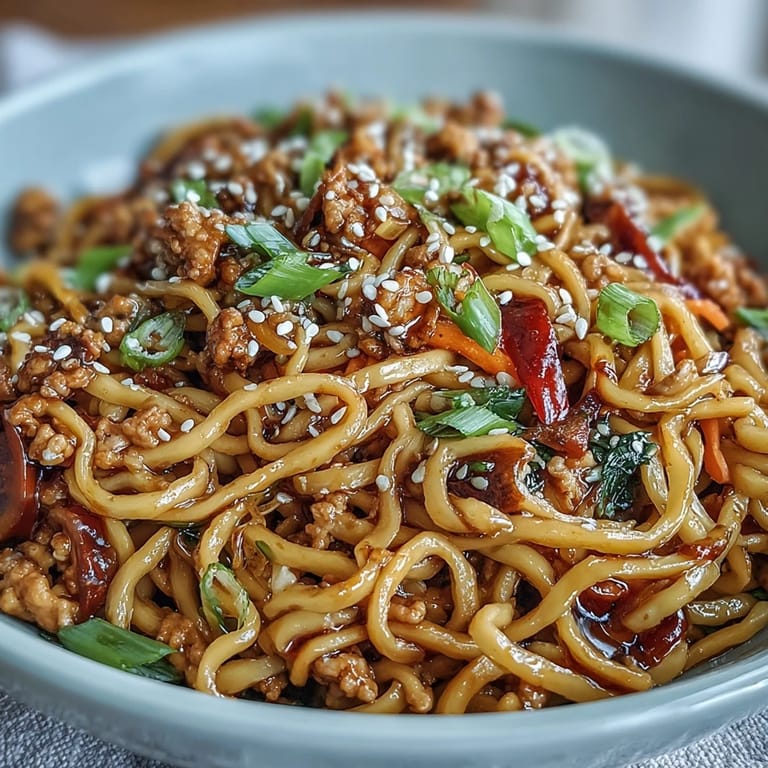
I like to serve this with a small bowl of kimchi on the side because the tang and crunch cut through the richness of the noodles. A cold beer or a shot of soju makes it feel like you're eating out even when you're in your pajamas. If you want to make it a bigger spread, add some pickled radish or a simple cucumber salad dressed with rice vinegar and sesame oil.
- Top with a fried egg for extra richness and a runny yolk that acts like sauce.
- Add a handful of fresh cilantro or Thai basil at the end for an herbal pop.
- Serve with lime wedges to squeeze over the top for brightness.
 Save to Pinterest
 This dish has become my go-to for nights when I want something that feels special without the effort, and every time I make it, I'm reminded that good food doesn't have to be complicated. Just hot pan, bold flavors, and noodles that make you forget everything else.
Common Recipe Questions
- → Can I use different types of noodles?
Yes, udon, ramen, or any wheat-based noodles work well. You can also substitute with rice noodles or even spaghetti in a pinch, though wheat noodles provide the most authentic texture.
- → How spicy is this dish?
The heat level is moderate thanks to gochujang. You can reduce the chili paste to 1 tablespoon for milder flavor, or add sliced fresh chilies or chili flakes for extra kick.
- → What can I substitute for gochujang?
Mix 1 tablespoon sriracha with 1 tablespoon miso paste as an alternative. It won't be identical but provides similar sweet-spicy depth. Adjust sugar to taste.
- → Can I make this ahead of time?
Best enjoyed fresh, but you can prep ingredients in advance. Store cooked noodles, sauce, and chopped vegetables separately. Stir-fry just before serving for optimal texture.
- → What proteins work besides turkey?
Ground chicken, pork, or beef are excellent substitutes. For vegetarian options, try crumbled firm tofu or tempeh. Adjust cooking times accordingly based on your protein choice.
- → How do I prevent noodles from clumping?
After cooking, rinse noodles with cold water and toss with a small amount of sesame or vegetable oil. This prevents sticking until you're ready to add them to the stir-fry.