 Save to Pinterest
 My cousin Maria brought this pie to Easter dinner one year, and the kitchen filled with the most intoxicating lemon scent the moment it came out of the oven. She'd learned to make it from her grandmother in Naples, and watching her work through the filling with such ease made it look deceptively simple. That first bite—the creamy ricotta melting against the tender crust, that bright citrus cutting through the sweetness—changed how I thought about holiday desserts entirely. It wasn't fussy or pretentious; it was just honest and deeply satisfying, the kind of dish that makes people slow down and actually taste what's in front of them.
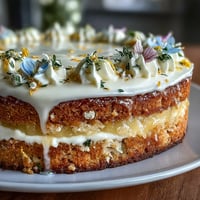
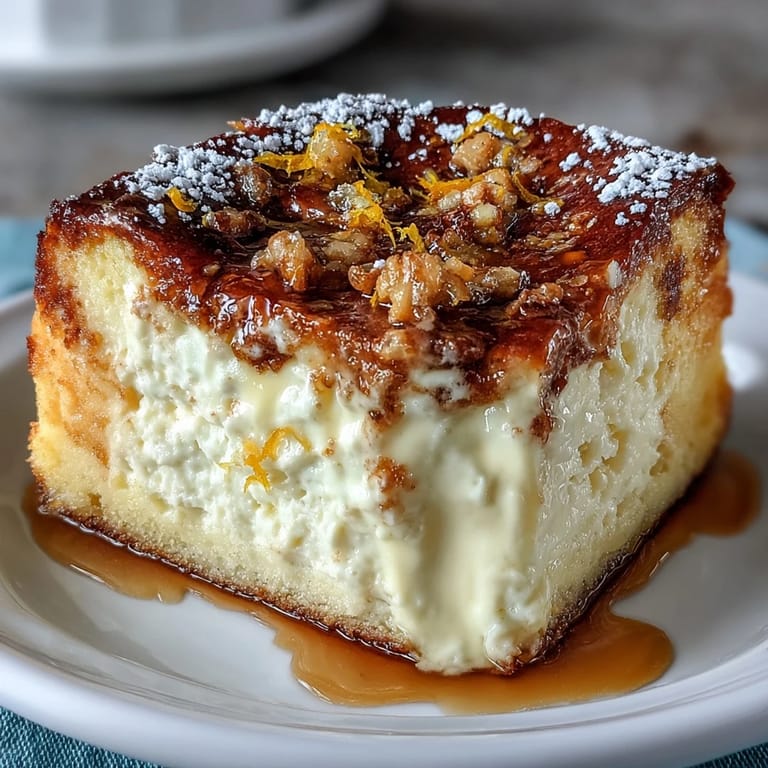
I made this for a small dinner party on a drizzly April evening, and one of my guests—someone who claims to never eat dessert—asked for seconds. The way the powdered sugar dusted across the pale yellow filling, how it caught the light on the plate, it felt festive without screaming for attention. That night reminded me that the best meals happen when you cook with intention but without pressure, letting the ingredients speak for themselves.
Ingredients
- All-purpose flour (2 cups for pastry, 2 tbsp for filling): The flour in the crust needs to be cold and handled gently—overworking it is your enemy and will give you a tough, disappointing shell instead of something tender and flaky.
- Granulated sugar (3/4 cup total): Split between the pastry and filling, it brings structure and sweetness without overwhelming the delicate lemon flavor that makes this pie sing.
- Cold unsalted butter (1/2 cup, cubed): This is non-negotiable for a proper crust; warm butter won't create those lovely flaky layers that make people ask for your recipe.
- Eggs (4 large total): They bind everything together and give the filling its luxurious, custardy texture that sets just barely firm.
- Whole milk ricotta (2 cups, well drained): The quality of your ricotta matters more than you'd think—try to find one that's not watery, or drain it yourself through cheesecloth for a thicker, creamier filling.
- Lemon zest (from 2 lemons): Fresh zest is absolutely critical here; bottled zest tastes stale and flat by comparison, and you want that bright, aromatic punch that makes people wonder what secret ingredient you used.
- Lemon juice (1 tbsp): A small amount adds depth without making the filling taste sour or one-dimensional.
- Heavy cream (1/4 cup): This mellows the ricotta slightly and adds a subtle richness that makes the texture feel luxurious.
- Vanilla extract (1 tsp for pastry, 1 tsp for filling): Use real vanilla if you can; it rounds out the flavors and adds warmth without announcing itself.
- Salt (1/4 tsp in pastry, 1/4 tsp in filling): A tiny pinch in each component brings everything into focus and enhances the citrus brightness.
- Powdered sugar (for dusting): Dust it on just before serving so it stays white and doesn't dissolve into the filling.
Tired of Takeout? 🥡
Get 10 meals you can make faster than delivery arrives. Seriously.
One email. No spam. Unsubscribe anytime.
Instructions
- Build your pastry base:
- Combine flour, sugar, and salt in a large bowl, then work the cold butter in with your fingertips until everything looks like coarse breadcrumbs—this should take just a couple of minutes, and the colder you keep everything, the better your crust will be. Mix in the egg, egg yolk, and vanilla, then add water one tablespoon at a time until the dough just barely holds together when you squeeze it gently.
- Rest the dough:
- Shape it into a flat disk, wrap it in plastic, and let it chill for at least 30 minutes; this lets the gluten relax and prevents shrinkage when it bakes. If you're short on time, 15 minutes works, but longer is always better.
- Prepare your pan:
- Preheat your oven to 350°F and grease a 9-inch pie or tart pan thoroughly. If you're using a tart pan with a removable bottom, this step is especially satisfying because you know your beautiful pie will slip out cleanly.
- Roll and fit the dough:
- On a lightly floured surface, roll the dough out to about 1/8-inch thickness and gently press it into the pan, working it up the sides and trimming any excess that hangs over. Prick the base all over with a fork to prevent big air bubbles from forming, then chill for 10 minutes while you make the filling.
- Create the filling:
- In a large bowl, whisk together the drained ricotta, sugar, eggs, vanilla, lemon zest, lemon juice, flour, salt, and heavy cream until you have a smooth, creamy mixture with no lumps. Don't overmix once everything is combined, or you'll incorporate too much air.
- Fill and bake:
- Pour the filling into the pastry shell and smooth the top gently. Bake for 55 to 60 minutes; the filling should be set but still have the slightest wobble in the very center when you gently shake the pan. If the edges of the crust are browning too quickly, tent them loosely with foil halfway through.
- Cool and chill:
- Let the pie cool completely on a wire rack—this takes patience, but rushing this step can cause cracks. Once cooled, refrigerate for at least 2 hours before slicing; the filling firms up beautifully and the flavors deepen as it sits.
- Serve with ceremony:
- Dust lightly with powdered sugar just before serving, and watch people's faces light up at that first bite.
 Save to Pinterest
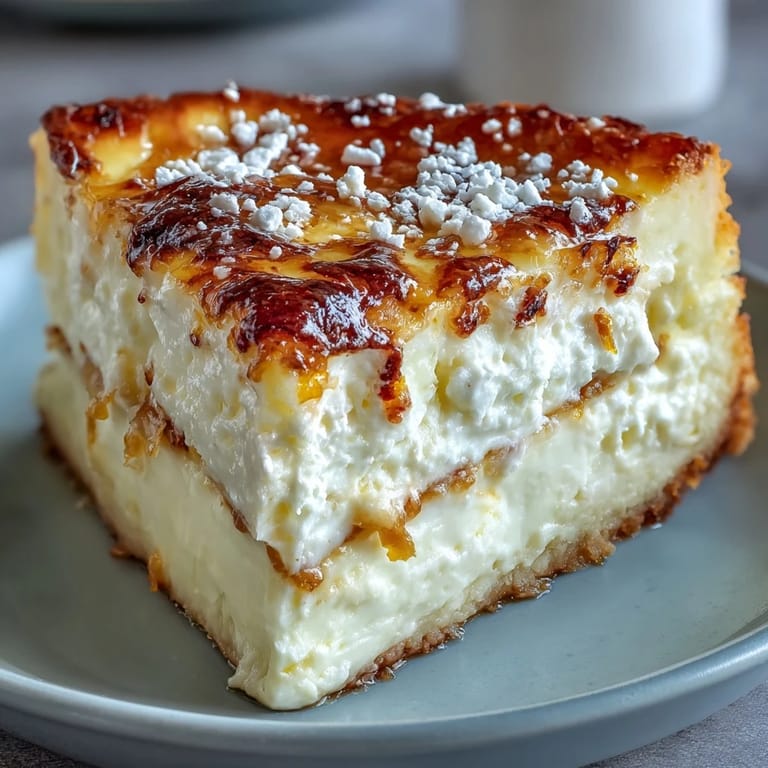
 There's something about an Italian Easter pie that feels like a celebration of spring itself—the pale filling studded with lemon zest, the pastry baked to golden tenderness, and that moment when someone takes a bite and goes quiet for a second. That's when you know you've made something memorable, not because it's complicated, but because it's perfect in its simplicity.
The Secret of the Crust
The pastry crust for this pie is honestly the most important element, and I've learned that keeping everything cold is your best friend. When I'm working with the dough, I actually chill my mixing bowl and sometimes even keep my fingertips cool under cold water before I start. The moment you stop thinking of it as a chore and start thinking of it as a conversation with the butter—respecting how it wants to stay cold and distinct from the flour—everything changes. A tender, flaky crust isn't luck; it's just patience and respect for good ingredients.
Why Lemon Zest Matters Here
I used to think lemon juice alone would do the trick, but learning to use fresh zest was a turning point in how I approach this pie. The oils in the zest are aromatic and bright in a way that juice simply cannot be, and they scatter through the filling like little flavor bombs that keep your palate awake. A Microplane grater makes this easier than it has any right to be, and it's one of those kitchen tools that pays for itself after a few uses. The sweetness of the ricotta needs that citrus spark to feel balanced and sophisticated rather than heavy and one-note.
Making It Your Own
Once you've mastered the basic recipe, this pie becomes a canvas for subtle variations that feel personal and intentional. I've added a whisper of orange zest alongside the lemon for a different kind of brightness, and I've experimented with garnishing the top with candied lemon peel or fresh berries depending on the season and what looks beautiful at the market. The core recipe is strong enough to support these little touches without falling apart, which is the mark of a truly good traditional dish.
- A dusting of candied lemon peel or fresh berries adds visual elegance without overshadowing the filling's delicate flavor.
- If you want extra richness, brush the baked crust with a thin layer of apricot jam before filling it for a subtle flavor bridge.
- Serve this with a small glass of something light and cold—limoncello, prosecco, or even just cold milk create a perfect pairing moment.
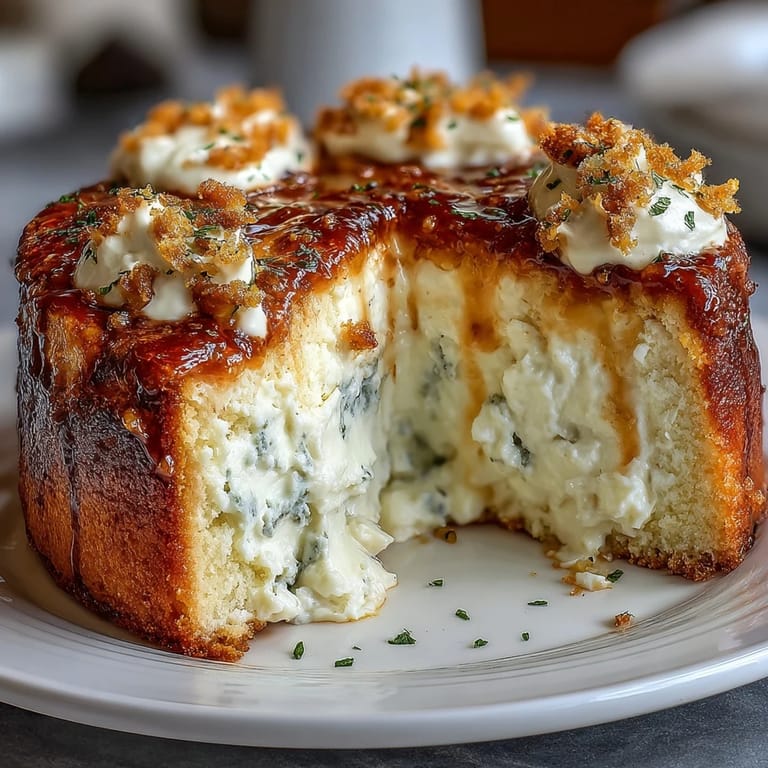 Save to Pinterest
 This pie is proof that the most memorable desserts don't need to be complicated—they just need to be made with good ingredients and genuine care. Serve it to people you love, and watch how something this simple becomes a moment they remember.
Common Recipe Questions
- → What gives the pie its lemon flavor?
Fresh lemon zest and a splash of lemon juice provide a bright citrus note that complements the smooth ricotta filling.
- → How long should the dough be chilled?
The pastry dough should be chilled for at least 30 minutes before rolling out to ensure a tender, flaky crust.
- → Can I use a different type of flour for the crust?
Yes, gluten-free flour can be substituted for the all-purpose flour to accommodate dietary needs.
- → How do I know when the pie is done baking?
The filling should be set with a slight wobble in the center, and the crust lightly golden after 55 to 60 minutes of baking.
- → What are some garnish ideas?
Dust with powdered sugar just before serving or add fresh berries for a festive, colorful touch.