 Save to Pinterest
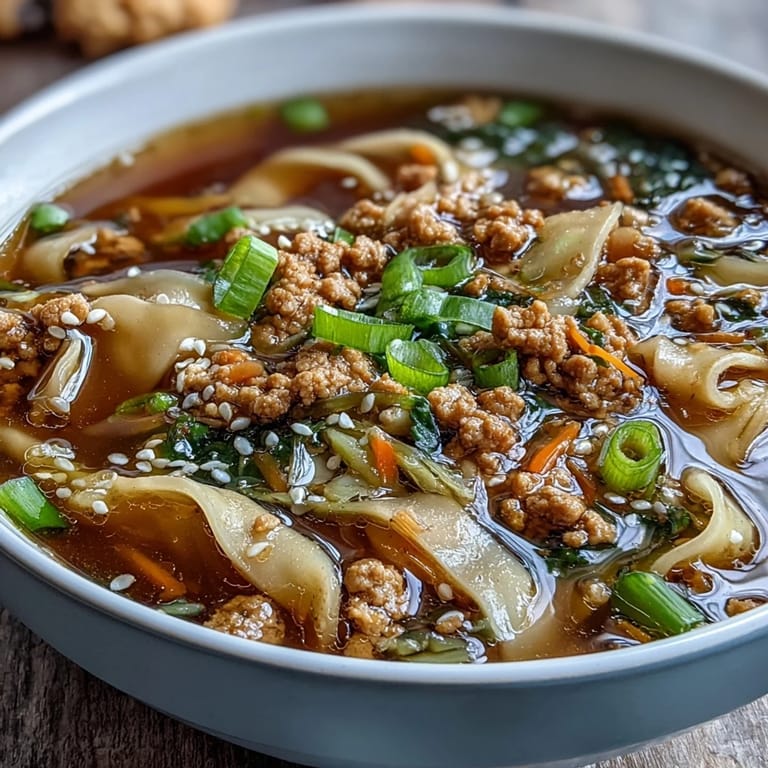
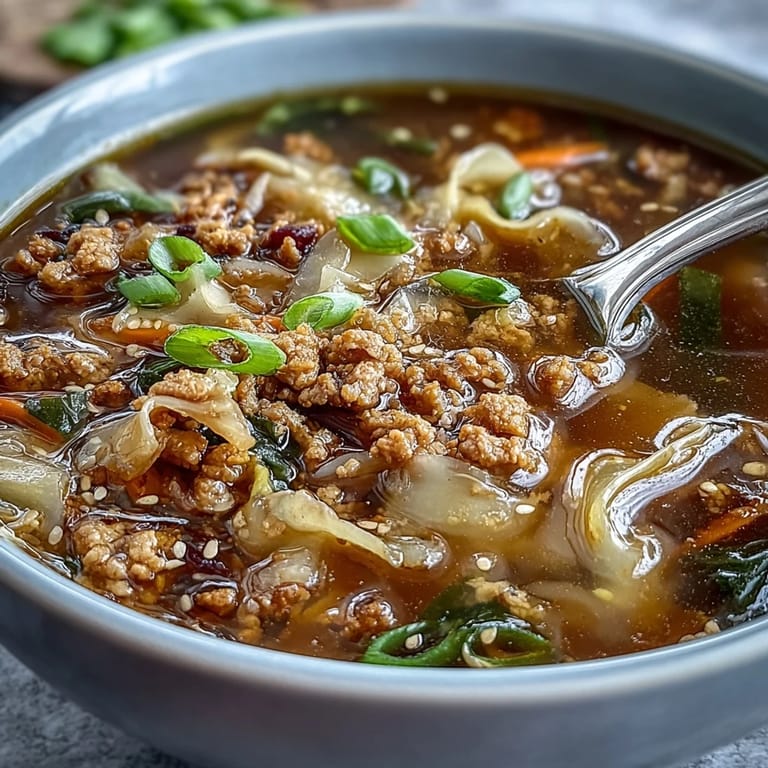
 My kitchen smelled like a Chinese takeout place the first time I made this soup, except the aroma was coming from my own stove instead of a delivery bag. I'd been craving egg rolls but wanted something warm and brothy that wouldn't leave my fingers greasy, so I started tossing ingredients into a pot without a recipe in mind. Within thirty minutes, I had a bowl of silky pork and cabbage soup that tasted like someone had distilled the soul of an egg roll and served it in a spoon. It became the thing I reach for when the weather turns cold or when I need to feed people quickly without sacrificing actual flavor.
I made this for a friend who showed up at my door on a miserable rainy Thursday, and watching her face light up as she tasted it reminded me why cooking matters. She asked for the recipe before she'd even finished her bowl, which tells you everything you need to know about how comforting and satisfying this soup really is.
Ingredients
- Ground pork (1 pound): This is your umami backbone; it browns beautifully and creates a rich base that carries all the other flavors, though ground chicken or turkey work just as well if you prefer something leaner.
- Fresh ginger (2 tablespoons grated): The ginger is what makes this taste like soup and not just broth with meat in it, so please don't skip it or substitute with powder if you can help it.
- Garlic (4 cloves minced): Mince it fine so it disappears into the pork during cooking and seasons everything evenly from the start.
- Soy sauce (1 tablespoon): Use tamari if you need gluten-free, and taste as you go because soy sauce saltiness varies by brand.
- Sesame oil (1 tablespoon): This adds a toasted, nutty depth that makes people ask what your secret ingredient is.
- Yellow onion (1 medium, diced): Dice it fairly small so it melts into the soup rather than staying chunky and obvious.
- Chicken broth (6 cups): Low-sodium is essential here because you're seasoning with soy sauce and you want control over the final salt level.
- Shredded carrots (1 cup): The sweetness balances the salt and ginger, creating complexity that feels intentional rather than accidental.
- Green cabbage (4 cups thinly sliced): This is the vegetable that makes it feel like soup and not just broth; Napa cabbage is sweeter and more delicate if you want to swap it.
- Green onions (1/2 cup chopped): Reserve about a quarter of this for garnish so you get fresh, sharp flavor on top of the cooked aromatics underneath.
- Rice vinegar (1 tablespoon): A splash of acid brightens everything and prevents the soup from tasting heavy or one-dimensional.
- Beaten eggs (2 large, optional): These create silky ribbons that make the soup feel more substantial and luxurious without actually adding much.
- Salt, black pepper, and red pepper flakes: Taste constantly as you cook and adjust these at the very end when you can see the full picture.
Tired of Takeout? 🥡
Get 10 meals you can make faster than delivery arrives. Seriously.
One email. No spam. Unsubscribe anytime.
Instructions
- Brown the pork:
- Heat your pot over medium-high heat and add the ground pork, breaking it apart with a wooden spoon as it cooks. You want it to lose all its pink color and develop some golden-brown bits, which takes about five to seven minutes and fills your kitchen with the savory smell that makes everything feel intentional and alive.
- Build the aromatics:
- Add the diced onion, minced garlic, and grated ginger to the cooked pork, then sauté until the onion turns translucent and everything smells like the beginning of something delicious. This usually takes three to four minutes, and you'll know it's ready when the raw edge of the garlic scent mellows into something warm and rounded.
- Season the base:
- Stir in the soy sauce, sesame oil, and rice vinegar, scraping any brown bits stuck to the bottom of the pot because those carry flavor. Coat everything evenly and let it cook for another minute so the seasonings become integrated rather than sitting on top.
- Add the broth:
- Pour in your chicken broth and bring it to a gentle boil, then immediately reduce the heat so it simmers rather than rolls aggressively. This takes about five minutes depending on your stove and prevents the soup from reducing too much before the vegetables are done.
- Simmer the vegetables:
- Add the shredded carrots and sliced cabbage, stirring them in so they're submerged and cooking evenly. Let everything simmer together for ten to fifteen minutes until the cabbage is tender enough to cut with a spoon but not so soft it falls apart.
- Create egg ribbons:
- If you're using eggs, slowly drizzle the beaten eggs into the simmering soup while stirring in a gentle circular motion so the eggs cook into delicate ribbons instead of clumping. Watch as the soup transforms; it takes less than a minute and feels like magic every single time.
- Taste and adjust:
- Add salt and black pepper to taste, remembering that soy sauce already contains salt so you're usually just adding a whisper more. This is your moment to make it yours, so adjust the seasoning until it tastes like what you want to eat.
- Serve and garnish:
- Ladle the soup into bowls and top with the reserved green onions, then add red pepper flakes or sriracha if you want heat. A drizzle of sesame oil right before eating adds richness that makes people ask if you added cream.
 Save to Pinterest
 I served this to my grandmother last winter, and she told me it reminded her of soups her mother used to make, which might be the highest compliment a cook can ever receive. There's something about a bowl of hot, savory soup that transcends recipes and becomes a language everyone understands.
The Egg Ribbon Moment
The first time I made the egg ribbons, I poured the eggs in too quickly and ended up with scrambled bits floating around instead of silky strands. Now I drizzle them slowly while stirring in one direction, and it feels like a small, meditative moment in the middle of cooking. The eggs cook instantly because the soup is hot, transforming from yellow streams into pale, delicate ribbons that catch the light and make the whole bowl look more luxurious than it probably deserves to be.
Making It Your Own
This soup is flexible in ways that matter, meaning you can swap proteins and vegetables without losing what makes it special. I've made it with ground chicken when pork wasn't on hand, substituted red bell peppers for carrots when that's what I had in the crisper, and used Napa cabbage because someone insisted it was superior. The core of what makes it work remains the same, which is a reliable foundation of aromatics, a good broth, and that moment when the eggs go in and transform everything.
Serving and Storage
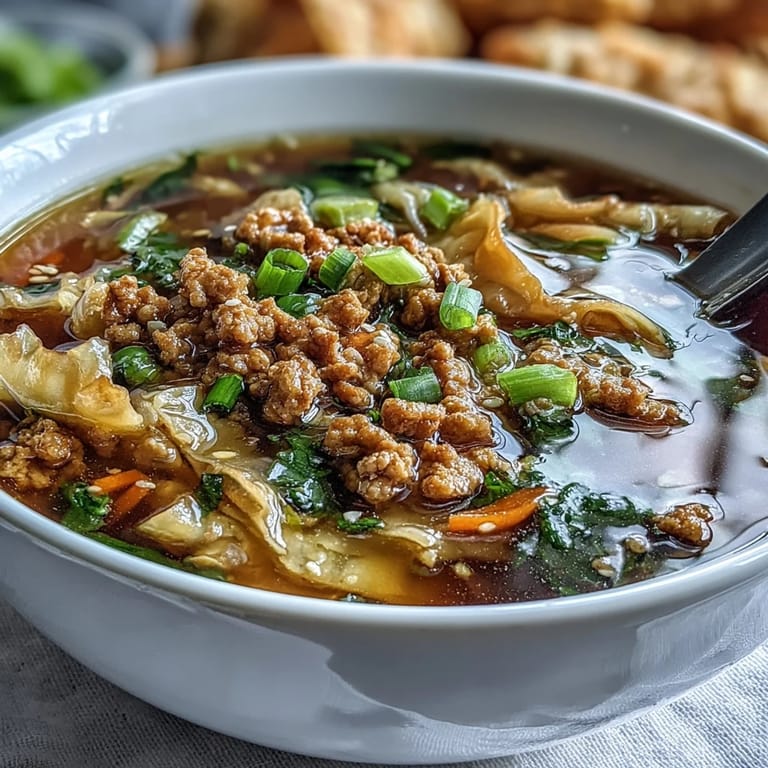
Serve this soup as a main course with steamed rice on the side or wonton strips if you want something crispy to contrast with the broth. This soup keeps in the refrigerator for three or four days, though the cabbage softens further with time, and it reheats beautifully on the stove without losing its essential character. If you're making it ahead, add the eggs fresh when you reheat rather than storing them in the soup, because they toughen slightly over time.
- Serve in wide, shallow bowls so the broth doesn't cool too quickly and you can see all the ingredients clearly.
- Have sriracha and sesame oil on the table so people can customize their heat and richness.
- Leftovers work as a quick lunch when you're tired and don't want to cook, which alone justifies making a double batch.
 Save to Pinterest
 This is the kind of soup that feels like someone is taking care of you, even when you're the one doing the cooking. It's worth making on nights when you need comfort and efficiency in the same bowl.
Common Recipe Questions
- → Can I make this soup vegetarian?
Yes, simply use vegetable broth instead of chicken broth and replace the ground pork with diced tofu or mushrooms for protein. The flavor profile remains delicious with these substitutions.
- → What type of cabbage works best?
Green cabbage is traditional, but Napa cabbage offers a more tender texture and slightly sweeter flavor. Both work wonderfully in this soup, so use whatever you have available.
- → How do I store leftovers?
Store cooled soup in an airtight container in the refrigerator for up to 3-4 days. The cabbage will soften but the flavors will continue to develop. Reheat gently on the stovetop, adding a splash of broth if needed.
- → Can I freeze this soup?
This soup freezes well for up to 3 months. However, the texture of the cabbage may become softer upon thawing. For best results, slightly undercook the vegetables if planning to freeze, then complete cooking when reheating.
- → What can I serve with this soup?
Steamed jasmine rice makes a perfect accompaniment to soak up the flavorful broth. Crispy wonton strips, roasted vegetables, or a simple side salad also complement this dish nicely.
- → Is this soup gluten-free?
The soup can be made gluten-free by substituting regular soy sauce with gluten-free tamari. All other ingredients are naturally gluten-free, making it an easy adaptation for those with dietary restrictions.