 Save to Pinterest
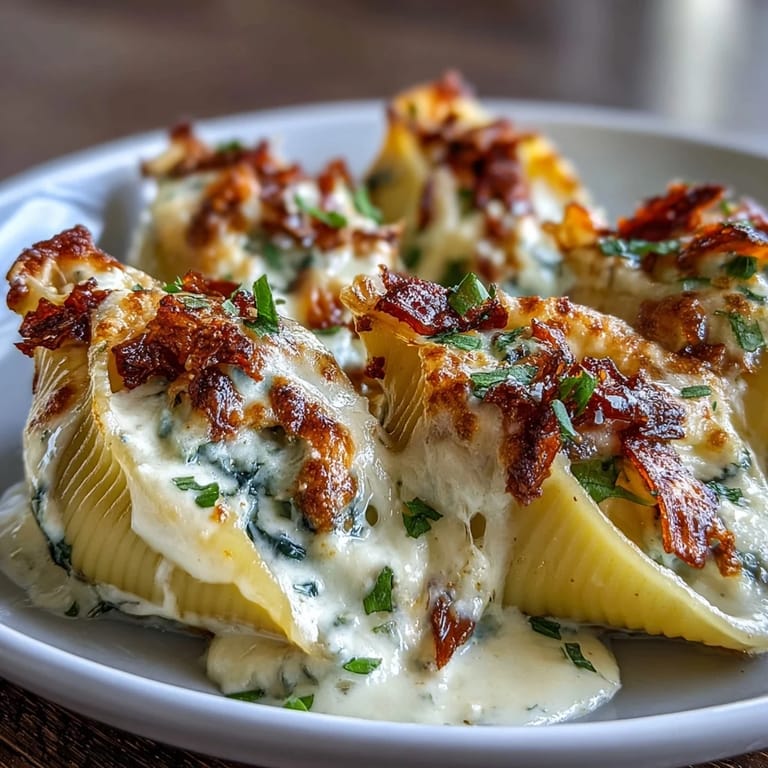
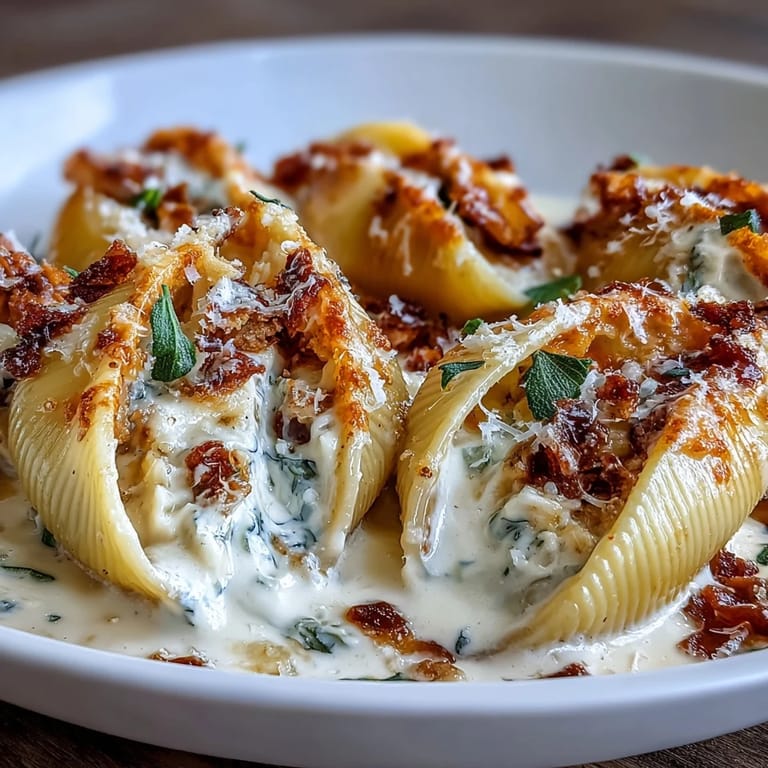
 The smell of brown butter hitting sage leaves stopped me mid-conversation last October when my neighbor brought over a dish that felt like autumn itself had landed on my plate. Golden, bubbling shells nestled in a cream sauce so silky it coated the back of my spoon, each bite delivering that unexpected marriage of pumpkin sweetness and smoked Gouda's savory depth. I spent the evening asking questions, tasting, adjusting, and by the time dessert came around, I knew I had to learn to make this myself. This version is what emerged after a few kitchen experiments and one particularly honest conversation with someone who understood that good food doesn't need to shout to be remembered.
I made this for the first time when my sister was visiting in early November, and watching her face when she tasted that first forkful told me everything. She kept asking what made the sauce taste so rich, so I walked her through browning the butter, how the milk solids darken and change everything, how patience with that saucepan pays off in ways you can taste. By the time we finished eating, she was taking notes, and we laughed about how something this good had never crossed her kitchen threshold before.
Ingredients
- 24 jumbo pasta shells: These hold the filling generously and create little edible boats for the sauce, so don't skimp on cooking them just under al dente since they bake afterward.
- 1.5 cups pumpkin purée: Use unsweetened canned or homemade, never pie filling, as that's sweetened and spiced already and will throw off your balance.
- 1 cup whole milk ricotta cheese: This brings creaminess and lightness to the filling without heaviness, something low-moisture ricotta won't deliver the same way.
- 1.5 cups smoked Gouda cheese, shredded: The smoke adds character and warmth that regular Gouda lacks, and it's worth seeking out at a decent grocery store or cheese counter.
- 0.5 cup finely grated Parmesan cheese: Freshly grated matters here because pre-grated contains anti-caking agents that create a gritty texture in the filling.
- 1 large egg: This binds the filling together without making it dense, creating a custard-like consistency when baked.
- 1 tablespoon fresh sage or 1 teaspoon dried: Fresh sage brings a subtle peppery note, but dried will work if that's what you have, just use a lighter hand.
- 0.5 teaspoon nutmeg: Freshly grated nutmeg changes the entire dish compared to ground, so invest in a whole nutmeg and a microplane if you can.
- 6 tablespoons unsalted butter: Unsalted lets you control the salt level throughout, and the butter itself should be good quality since browning mediocre butter tastes thin.
- 8-10 fresh sage leaves for the sauce: These become crispy and aromatic as they brown in the butter, turning into flavor bombs you won't want to miss.
- 1.5 cups heavy cream: This is where the sauce gets its luxurious feel, though you can substitute half with whole milk if you prefer something lighter.
- 0.75 cup Parmesan for the sauce: Finely grated, added slowly so it melts smoothly into the cream without becoming grainy or broken.
Tired of Takeout? 🥡
Get 10 meals you can make faster than delivery arrives. Seriously.
One email. No spam. Unsubscribe anytime.
Instructions
- Set your oven and prepare the baking dish:
- Preheat to 375°F and lightly butter a 9x13-inch dish so the shells can slide around easily without sticking to the bottom.
- Cook the shells until barely tender:
- Bring salted water to a rolling boil, add shells, and cook one to two minutes less than the package suggests so they stay slightly firm and won't fall apart when you fill them. Drain, rinse with cool water, and lay them on an oiled tray so they don't fuse together.
- Make the pumpkin filling:
- Combine pumpkin, ricotta, Gouda, Parmesan, egg, sage, nutmeg, garlic, salt, pepper, and cayenne in a large bowl and stir until smooth and well combined. Taste it like you're seasoning soup, adjusting salt and spice until it feels balanced, and add cream or milk only if the mixture seems too stiff to spoon into shells.
- Brown the butter with sage:
- Melt butter in a medium saucepan over medium heat, add sage leaves, and swirl the pan constantly as the butter foams and turns golden, then amber, about four to six minutes. The aroma should be distinctly nutty, and you'll see brown milk solids collecting at the bottom, which is exactly what you want. Lift out the sage leaves carefully and drain them on paper towels for garnish.
- Build the Alfredo sauce:
- Return the brown butter to low heat, add minced garlic and let it warm for about thirty seconds until fragrant, then pour in the heavy cream and bring to a gentle simmer. Reduce heat to low and whisk in the Parmesan a handful at a time, waiting for each addition to melt completely before adding more, seasoning with nutmeg, salt, and pepper to taste.
- Adjust the sauce consistency:
- If your sauce becomes too thick as it sits, thin it gently with vegetable or chicken broth, adding just a splash at a time until it flows smoothly but still clings to a spoon.
- Layer the baking dish:
- Spread a thin layer of Alfredo sauce across the bottom of the prepared dish, about half to three-quarters of a cup, to prevent the shells from sticking.
- Fill and arrange the shells:
- Using a small spoon or scoop, fill each shell with two to three tablespoons of pumpkin filling and arrange them open side up in a single snug layer in the dish, packing them closely so they support each other as they bake.
- Add sauce and toppings:
- Pour most of the remaining Alfredo sauce over and around the shells, leaving a small amount reserved for drizzling after baking if you like. Scatter the shredded Gouda and grated Parmesan over the top, then scatter the reserved crisped sage leaves across the surface.
- Bake covered then uncovered:
- Tent the dish loosely with foil to prevent browning too quickly, bake for twenty minutes, then remove the foil and bake ten to fifteen minutes more until the sauce bubbles around the edges and the cheese on top turns light golden. If you want deeper color, broil for one to three minutes at the very end, watching constantly so nothing burns.
- Rest before serving:
- Let the dish sit for five to ten minutes so the filling sets slightly and becomes easier to serve, making each shell hold together better on the plate.
 Save to Pinterest
 There was a quiet moment at dinner when everyone stopped talking and just ate, and I realized that's when you know something has worked. The shells held together, the filling stayed creamy and distinct from the sauce, and that brown butter sage Alfredo coated everything like silk. It's those moments when cooking feels less like following a recipe and more like creating something that brings people together.
The Magic of Brown Butter
Browning butter is one of those kitchen techniques that sounds more complicated than it is, but it changes everything about this dish. The process happens as the milk solids in the butter separate and caramelize, creating nutty, toasted notes that regular melted butter simply cannot achieve. Once you've made a brown butter sauce, you'll start using it on everything from vegetables to pasta to desserts, recognizing it as the secret ingredient that makes ordinary meals taste intentional.
Why Smoked Gouda Belongs Here
Smoked Gouda reads as an unusual choice for a pumpkin dish, but it's actually the missing ingredient that prevents this from tasting like one-note autumn flavors. The smoke adds depth and savory character that balances the sweetness of pumpkin, while the creamy texture of Gouda melts into the filling without becoming oily. If you can't find smoked Gouda, combine regular Gouda with a small amount of smoked cheddar, or use half smoked and half regular Gouda if you want a milder result.
Making This Ahead and Storage
This dish is genuinely forgiving when it comes to timing, which makes it perfect for dinner parties or busy weeknights. You can assemble it completely up to twenty-four hours ahead, cover it, and refrigerate, then simply add ten to fifteen minutes to the baking time since it goes in cold. The shells become more tender as they sit in the sauce, which some people prefer, though the texture stays nice and defined if you don't oversoak them.
- To freeze, assemble the entire dish without baking, wrap it tightly in foil and plastic wrap, and freeze for up to two months, then thaw overnight in the refrigerator before baking as usual.
- Leftovers keep beautifully for three to four days, and you can reheat individual shells gently in the oven covered with foil so they don't dry out.
- If you have extra filling or sauce, they both store separately for a few days and work well on other pasta, vegetables, or even spread on toast.
 Save to Pinterest
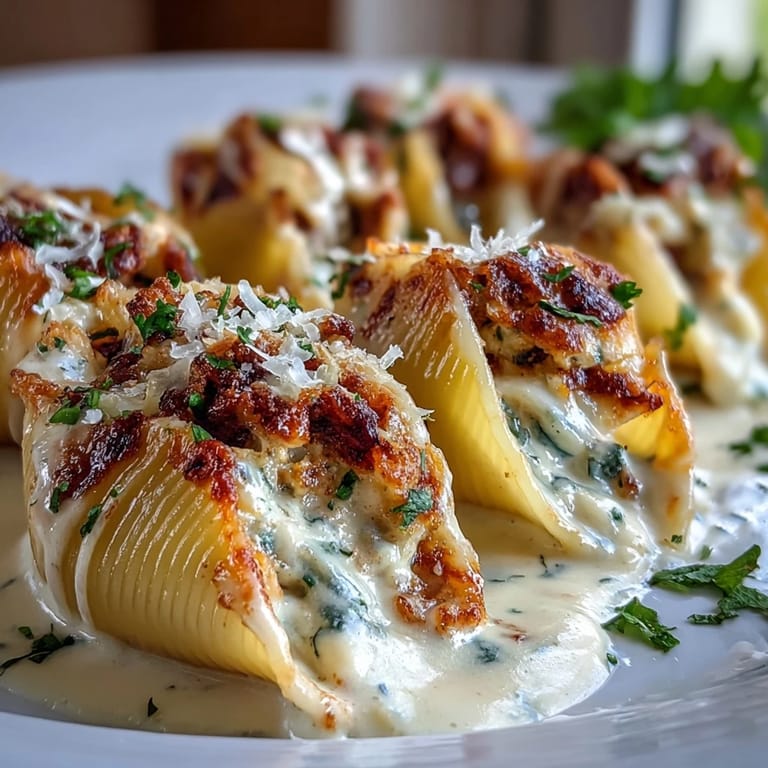
 This recipe has become my go-to when I want to feel like I've cooked something that matters, without the stress of last-minute plating or complex techniques. Every time I make it, I'm reminded that good food comes from understanding your ingredients and treating them with a little care.
Common Recipe Questions
- → Can I make these stuffed shells ahead of time?
Yes, you can assemble the dish up to 24 hours in advance and refrigerate it covered. When ready to bake, add 10–15 minutes to the baking time since you'll be starting from cold. You can also freeze the unbaked dish for up to 2 months; thaw overnight in the refrigerator before baking.
- → What can I substitute for smoked Gouda?
If smoked Gouda is unavailable, use regular Gouda for a milder flavor, or try a combination of half smoked and half regular. Gruyère, fontina, or sharp white cheddar also work well and provide different flavor profiles while maintaining the creamy, melty texture.
- → How do I prevent the pasta shells from breaking?
Cook the shells just until barely al dente, 1–2 minutes less than the package directions. Immediately drain and rinse under cool water to stop cooking. Lay them on a lightly oiled baking sheet or tray in a single layer to prevent sticking, and handle gently when filling.
- → Can I use fresh pumpkin instead of canned?
Absolutely! Roast pumpkin or other winter squash like butternut or kabocha until tender, then purée until smooth. Make sure to drain excess liquid if your purée is watery, as canned pumpkin is typically thicker and more concentrated than homemade.
- → How do I know when the brown butter is ready?
Brown butter is ready when it smells nutty and toasty, with visible brown specks at the bottom of the pan. This typically takes 4–6 minutes over medium heat. Watch carefully—it can go from perfectly browned to burnt quickly. Remove from heat as soon as it reaches a deep golden color.
- → What should I serve with these stuffed shells?
A crisp green salad with vinaigrette balances the richness beautifully. Roasted vegetables like Brussels sprouts, green beans, or asparagus also pair well. Crusty bread is perfect for soaking up the brown butter Alfredo sauce. A light, crisp white wine complements the dish nicely.
- → Can I lighten this dish without sacrificing flavor?
Yes, substitute half the heavy cream with whole milk or half-and-half in the Alfredo sauce. You can also use part-skim ricotta in the filling. These swaps reduce calories and fat while maintaining the creamy texture and rich flavor profile.