 Save to Pinterest
 My roommate challenged me to make bagels from scratch one Sunday morning, convinced it was impossible without a bakery oven. Three hours later, when I pulled golden, chewy bagels from my modest home oven, she took one bite of the chocolate chip version and went quiet—the kind of quiet that means you've won something bigger than a bet. Adding protein powder felt like a natural move, turning breakfast into actual fuel without losing any of that tender, satisfying chew that makes homemade bagels worth the effort.
I made these for my brother's post-basketball game breakfast, and he asked for the recipe before finishing his first bagel—something he's never done in his life. Watching him dunk one in coffee while sitting in his sweaty gym clothes, totally unbothered about the chocolate smudging his chin, felt like I'd unlocked some kind of universal comfort food code.
Ingredients
- Bread flour (2 cups): This matters because it has higher gluten content than all-purpose, giving you that chewy bagel texture you're after—don't skip it thinking all-purpose will work the same.
- Vanilla protein powder (1 cup): Choose a powder that dissolves smoothly and doesn't add weird aftertaste; I learned this the hard way after a batch tasted faintly chalky.
- Instant dry yeast (2 tsp): Make sure yours isn't expired—stale yeast means flat, lifeless bagels that disappoint.
- Warm water (3/4 cup at 110°F): Too hot kills the yeast, too cold and nothing rises; use a thermometer if you're unsure, because your fingers aren't reliable judges.
- Melted unsalted butter (1 tbsp): Unsalted lets you control the sodium and keeps the dough tender without overdoing it.
- Semisweet chocolate chips (1/2 cup): Fold these in gently after the dough is mostly kneaded so they stay whole instead of melting into brown streaks.
- Honey or brown sugar (2 tbsp for water bath): This adds subtle flavor to the boiling water and creates that signature bagel crust you can't fake with just salt.
- Creamy peanut butter (1/4 cup for drizzle): Room temperature peanut butter mixes smoothly with milk; cold peanut butter seizes up and gets lumpy.
Tired of Takeout? 🥡
Get 10 meals you can make faster than delivery arrives. Seriously.
One email. No spam. Unsubscribe anytime.
Instructions
- Mix your dry foundations:
- Whisk bread flour, protein powder, sugar, yeast, and salt together in a large bowl, making sure the yeast distributes evenly so you don't get inactive clumps. This takes maybe a minute and sets up everything that comes next.
- Bring it together:
- Pour in warm water and melted butter, then mix with your hands or a wooden spoon until a shaggy, slightly rough dough forms. Don't worry about smoothness yet—that comes with kneading.
- Knead until elastic:
- Work the dough by hand or with a dough hook for 6 to 8 minutes, pushing it away from you and folding it back repeatedly until it feels smooth and springy. You'll know it's ready when you poke it and the indentation springs back slowly instead of staying put.
- Add chocolate gently:
- Sprinkle chocolate chips across the dough and fold them in carefully, using a few more kneading motions until they're scattered throughout without getting crushed. Some chips will melt slightly from the warmth, and that's perfect—it adds little pockets of melted chocolate flavor.
- Let it rise:
- Oil a bowl lightly, place your dough inside, cover it with a damp kitchen towel, and set it somewhere warm (a turned-off oven with the light on works beautifully) for 30 to 40 minutes until it roughly doubles in size. You'll feel anticipation building as the dough puffs up.
- Preheat and shape:
- While dough rises, heat your oven to 375°F and line a baking sheet with parchment paper. Punch down the risen dough, divide it into 6 equal pieces, roll each into a ball, then poke a hole in the center and gently stretch the opening until you have a ring with a 2-inch hole.
- Boil for the magic:
- Bring 2 quarts of water and 2 tablespoons of honey to a gentle rolling boil in a wide pot—this is the secret step that gives bagels their unique texture. Working in batches, drop bagels into the water and boil for exactly 30 seconds per side, then fish them out with a slotted spoon and place them on your prepared sheet.
- Finish and bake:
- Brush each boiled bagel lightly with melted butter—this helps them brown beautifully—then bake for 18 to 20 minutes until the tops turn golden and the bagels feel firm. They'll smell incredible, and you'll fight the urge to eat one before they cool enough not to burn your mouth.
- Make the drizzle:
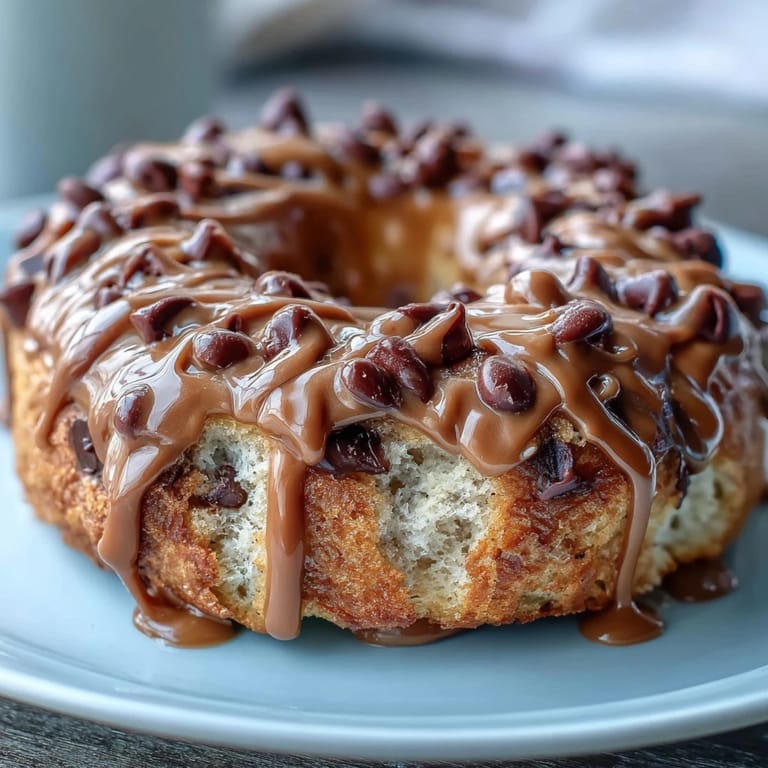
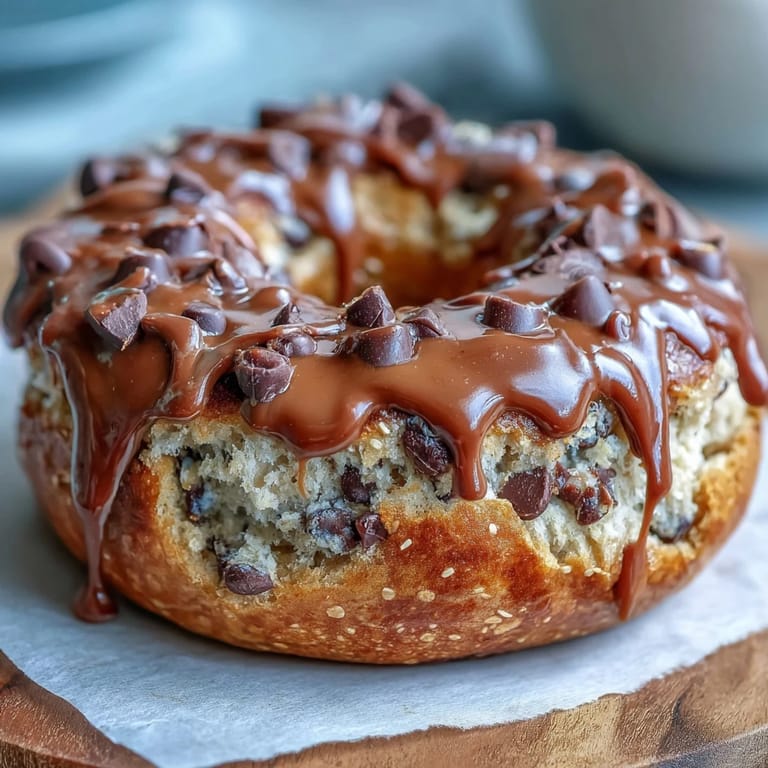
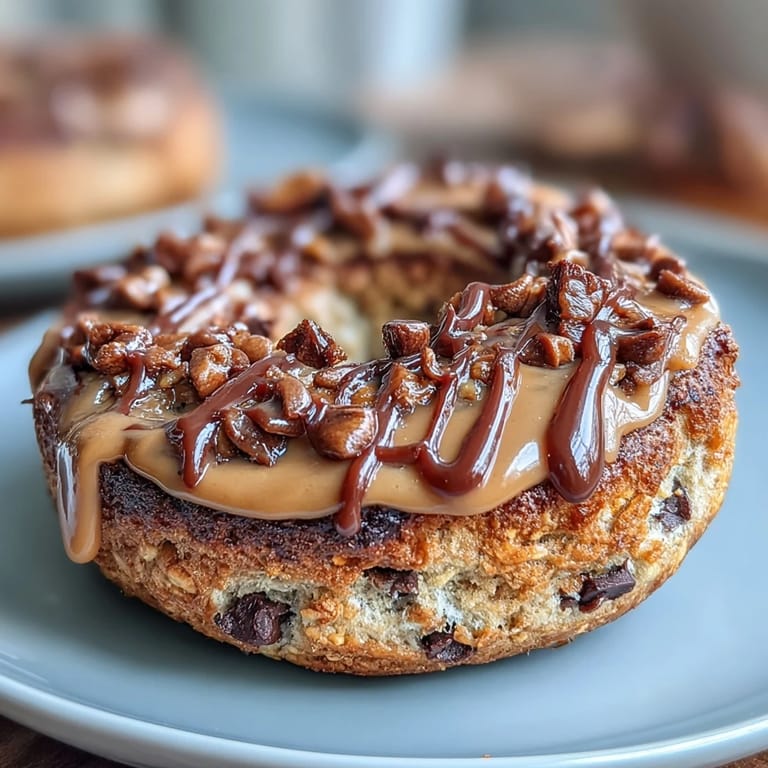
- While bagels cool on a wire rack, whisk together peanut butter, milk, and maple syrup until you get a pourable consistency—thinner than peanut butter straight from the jar but thick enough to cling to the bagel. Drizzle it over cooled bagels in thin lines, letting it pool slightly in the holes.
 Save to Pinterest
 My neighbor smelled these baking and showed up at my door asking if I was running a secret bagel operation. We split one still warm, and she confessed she'd stopped buying bagels from the store years ago because they never satisfied her—until that moment.
The Protein Powder Advantage
Using protein powder in bagel dough surprised me at first, but it actually makes total sense. The powder adds structure and keeps the bagels filling without making them dense or gummy, which happens sometimes when you overload regular bagels with mix-ins. I started experimenting with vanilla because it pairs beautifully with chocolate, but chocolate protein powder would work too if you want an extra flavor boost. The texture stays light and chewy, which is the whole point of a bagel.
Why Boiling Changes Everything
That quick bath in honey-sweetened water is where the magic happens, and I can't overstate how crucial this step is. The boiling sets the crust before baking even starts, creating that distinctive bagel texture that's crispy outside and tender inside—you literally cannot achieve this by just baking. The starch gelatinizes in the boiling water, which sounds scientific, but what it actually means is you end up with a bagel that has real substance and chew instead of the soft-bread-with-a-hole situation that happens without boiling.
Storage and Variations
These bagels stay fresh in an airtight container for three days, or you can freeze them for up to a month and toast them straight from frozen. Dark chocolate chunks work beautifully instead of milk chocolate chips if you want richness, and dried cranberries or blueberries are wonderful if chocolate isn't your thing. The drizzle can be made ahead too—just store it in the fridge and loosen it with a splash of milk before using.
- Split bagels horizontally and toast them the next day with the peanut butter drizzle for an even more decadent breakfast.
- Make the peanut butter drizzle thicker and use it as a spread instead if you prefer a less sweet finish.
- Sprinkle crushed peanuts or a pinch of sea salt on top of the warm drizzle for texture and visual appeal.
 Save to Pinterest
 These bagels remind me why homemade food matters—not because it's trendy or Instagram-worthy, but because it tastes real and actually nourishes the people you feed. Once you make them once, you'll want to keep making them.
Common Recipe Questions
- → How does the protein powder affect the bagels' texture?
Protein powder adds richness and density, creating a chewier texture while boosting nutritional value without overpowering the bagel's classic structure.
- → Why are the bagels boiled before baking?
Boiling sets the crust and gives bagels their characteristic chew and glossy finish, preventing them from becoming too fluffy or cake-like.
- → Can I substitute peanut butter in the drizzle?
Yes, alternatives like almond or cashew butter offer different flavors while maintaining the creamy drizzle that complements the bagels.
- → What is the best way to store these bagels?
Store in an airtight container at room temperature for up to two days or freeze individually to maintain freshness longer.
- → Are there options for a dairy-free version?
Using plant-based protein powder and milk with dairy-free butter ensures a fully dairy-free option while preserving texture and flavor.