 Save to Pinterest
 The kitchen was filled with the earthy scent of roasting cabbage the first time I tweaked my go-to French onion soup. At that moment, the sizzle from the oven and the slight trace of sweetness in the air hinted this was about to be something special. I wasn’t sure how the cabbage would play alongside the deeply caramelized onions, but curiosity wins out more often than not in my house. By the time the soup hit the broiler with its blanket of Gruyère, I could barely wait to dig in. It only took one spoonful to know this was a keeper, and not just a winter novelty.
I made this soup for a small dinner when the first spring chill lingered a little too long. We gathered our bowls around the table, laughing about how the roasting cabbage made the house smell oddly inviting. Someone suggested adding an extra splash of wine next time, just as I caught someone else scooping a second helping before anyone else was finished. It became clear that this was a soup for sharing and lingering.
Ingredients
- Green cabbage: Roasting this transforms it from a humble leaf to sweet-edged, nutty layers; let it brown for real depth.
- Yellow onions: Thinly sliced, they caramelize slowly and patiently—don’t rush this step for best results.
- Garlic cloves: Just three cloves, but mincing them finely keeps their flavor balanced and gentle.
- Fresh thyme: A couple of sprigs give an herbal lift that tempers all the rich flavors.
- Bay leaf: I’m always surprised how much backbone this little leaf brings (just don’t forget to fish it out later).
- Vegetable stock: Choose a good, savory broth to amplify all the slow-cooked notes.
- Dry white wine: Adds brightness and balances the sweetness of the onions—don’t skip it.
- Olive oil: Use one for roasting and one for caramelizing; quality matters for flavor.
- Unsalted butter: Plays nicely with the onions, lending a silkier texture and flavor.
- Crusty baguette: Slice thick, so it stands up to the soup and broiler—it’s no time for dainty pieces.
- Gruyère cheese: Grate generously and let it melt until it bubbles, for that golden, stretchy finish.
- Salt and black pepper: Adjust as you go; tasting and tweaking is half the fun.
Tired of Takeout? 🥡
Get 10 meals you can make faster than delivery arrives. Seriously.
One email. No spam. Unsubscribe anytime.
Instructions
- Prepare and Roast the Cabbage:
- Preheat your oven to 425°F and cover a baking sheet with parchment. Coat quartered cabbage in olive oil, sprinkle generously with salt and pepper, and roast until the edges caramelize and the centers are tender, turning once—let it cool before chopping.
- Begin the Onion Magic:
- Heat the remaining olive oil and butter in a large soup pot; add the sliced onions with a pinch of salt and stir often over medium heat. You want to coax them into a deep gold, letting their scent fill up the kitchen (about 35-40 minutes—patience is rewarded here).
- Flavor Buildup:
- Add the minced garlic and cook for just a minute until fragrant. Stir in your roasted cabbage, fresh thyme, and bay leaf; then pour in the wine, scraping up all those tasty brown bits at the bottom of the pot.
- Simmer and Season:
- Add the stock, bring everything to a gentle simmer, and partially cover the pot. Let the flavors meld for about 20 minutes, then pluck out the thyme and bay leaf and check the seasoning—you want it just right.
- Bread and Cheese Finale:
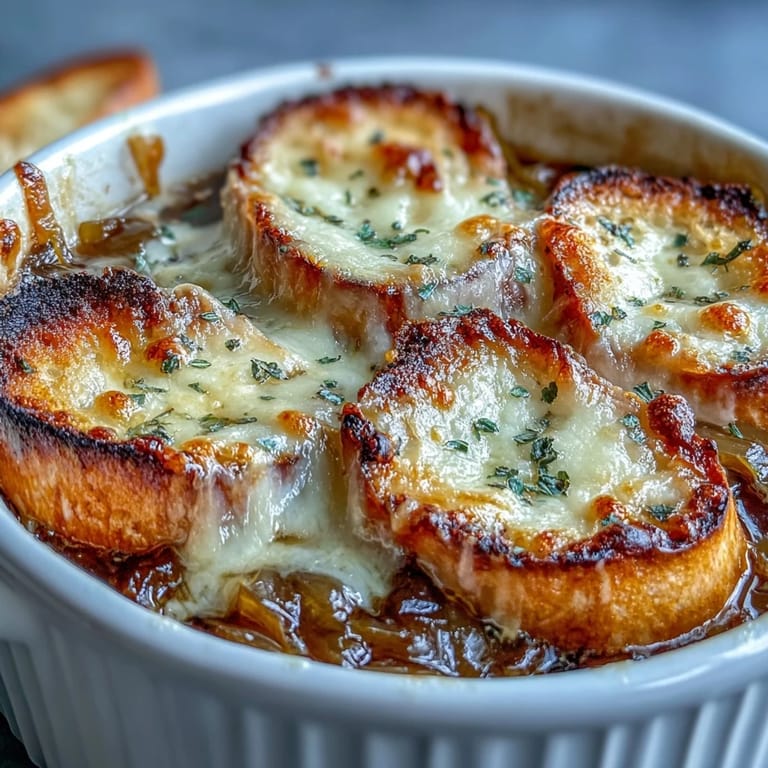
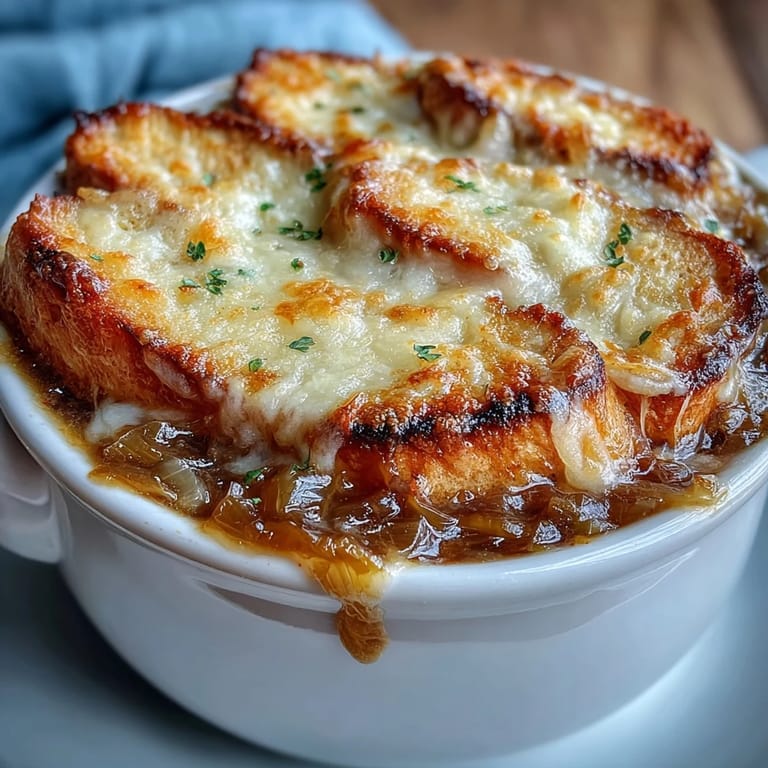
- Set your broiler to hot and ladle the soup into ovenproof bowls. Top each bowl with a hearty slice of baguette and a generous handful of grated Gruyère, then broil until everything is bubbly and golden (just 2-3 minutes—keep watch!).
- Serve and Enjoy:
- Let the bowls cool slightly so no one burns their tongue, then serve hot and watch the cheese stretch with every spoonful.
 Save to Pinterest
 There was a moment, after broiling the last batch of soup, when someone at the table tapped their spoon on the edge of the bowl and sighed with happiness. The cheese was delightfully stringy, everyone’s faces were flushed from the oven heat, and suddenly the soup felt like the highlight of the week. It’s strange how some dishes take on an outsized importance, simply because of how people gather around them.
How I Learned My Roasting Secret
Initially I worried roasted cabbage might make the soup too heavy, but letting it get darkly golden brought out a hidden sweetness. The best batches happened when I gave the vegetables space on the pan and resisted checking on them every two minutes. Occasionally, I’d roast just a little extra cabbage to toss in at the end for contrast—having a mix of textures always keeps things interesting.
Getting That Deep Flavor
The biggest flavor boost comes from not rushing the onions; once I tried cranking the heat, thinking I could shave off a few minutes, and only ended up with unevenly cooked bits. With patience, the transformation from sharp bite to subtle sweetness is almost magical. The Gruyère pulls everything together, and a tiny splash of sherry (if you have it) is an easy way to impress yourself and your guests alike.
Making It Your Own
I quickly realized this soup loves small personal touches, whether it’s swapping in sourdough for baguette or sneaking in a different cheese blend. Once, I used leftover hearty rye bread and it turned out rustic but still rewarding. Whatever you choose, remember to broil just until the cheese is bubbling and spotted with gold—it makes all the difference.
- If someone is dairy-free, vegan cheese under the broiler achieves a similar rich finish.
- Keep your ovenproof bowls on a heavy tray to avoid accidents when moving hot soup in and out.
- And always let the finished soup cool slightly so you enjoy it (and not just burn your tongue!).
 Save to Pinterest
 Here’s hoping you find as much warmth in this bowl as we have, cheese strings and all. Sometimes, a bit of curiosity in the kitchen pays off deliciously.
Common Recipe Questions
- → How do I get onions deeply caramelized?
Cook sliced onions slowly over medium heat with a pinch of salt, stirring often for 35–40 minutes until golden brown and sweet.
- → What is the purpose of roasting the cabbage?
Roasting cabbage enhances its natural sweetness and adds a tender, slightly smoky texture that enriches the broth.
- → Can I substitute the Gruyère cheese?
Yes, Swiss or aged mozzarella provide similar melting qualities and flavor profiles if Gruyère is unavailable.
- → Is white wine necessary in the cooking process?
White wine adds acidity and depth, balancing the sweetness of the vegetables; it can be omitted or replaced with a splash of sherry.
- → How do I make this dish vegan?
Use plant-based butter and vegan cheese alternatives, and ensure the stock is vegetable-based to maintain flavor without animal products.