 Save to Pinterest
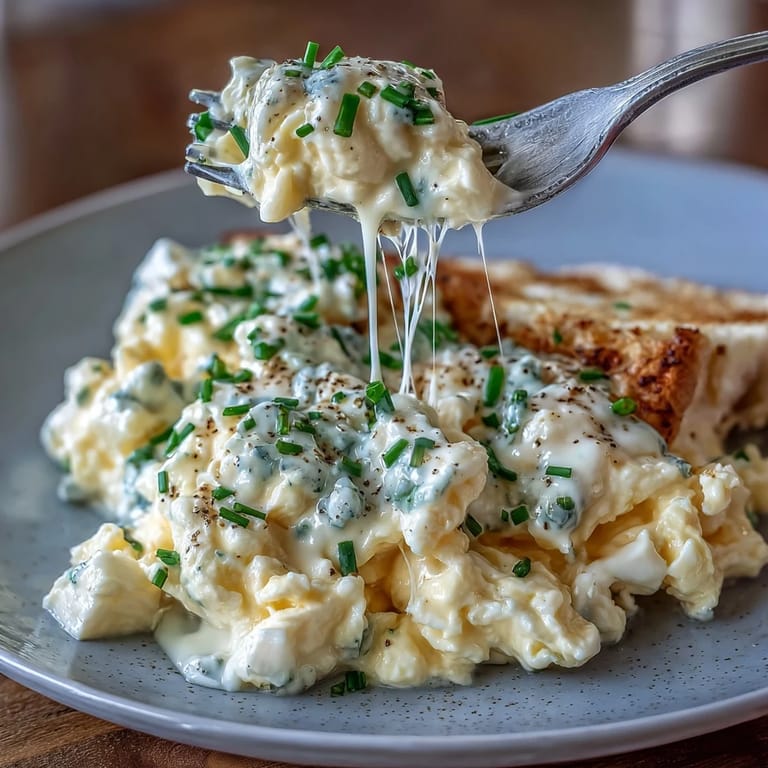
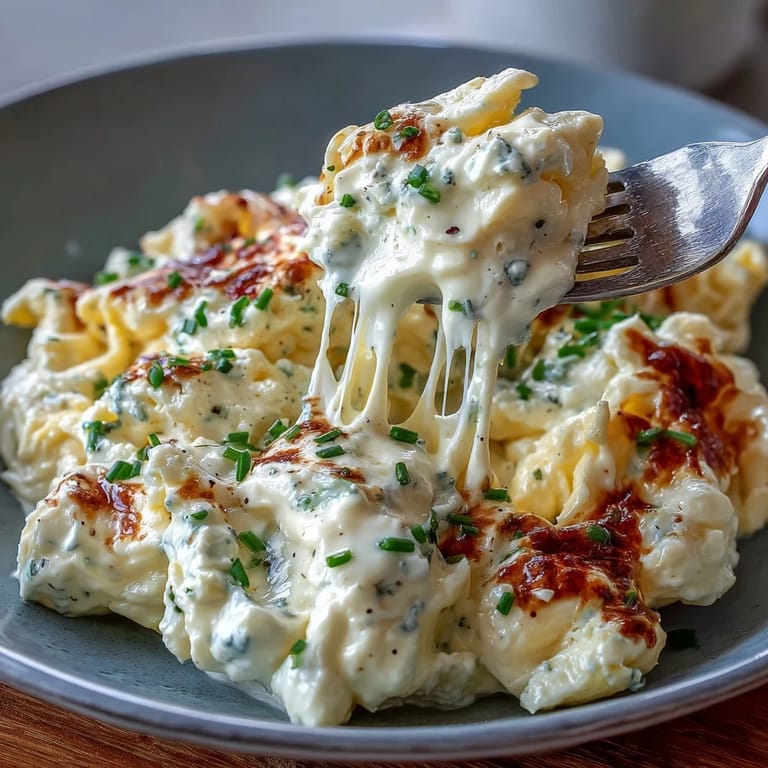
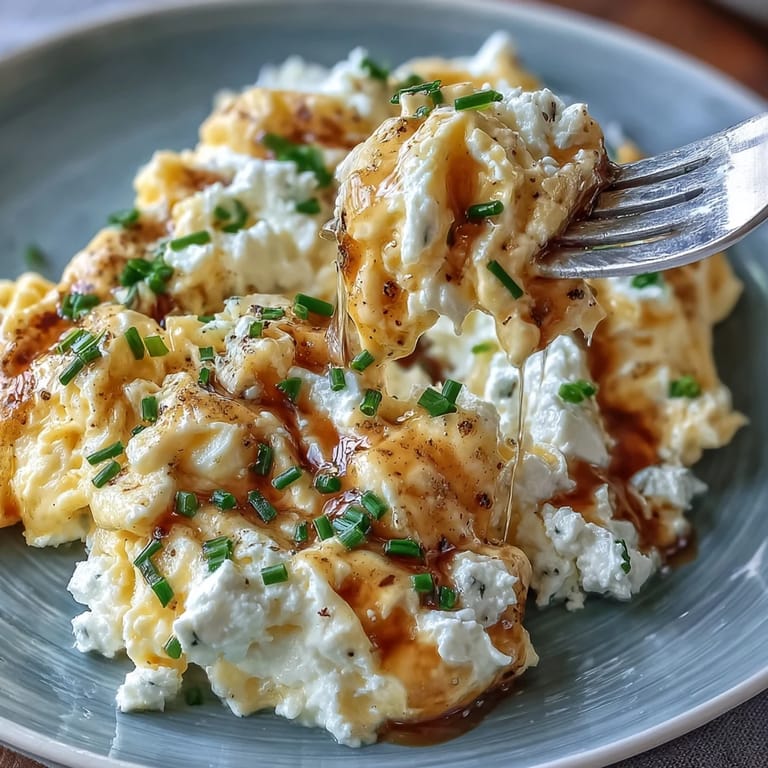
 There are certain smells in the morning that coax even the sleepiest minds into action and, for me, this scramble is one of them. The delightfully creamy texture caught me by surprise the first time I stirred the cottage cheese through the eggs, making me wish I’d tried it sooner. I remember grabbing cottage cheese on a whim, desperate to use it before expiry, and suddenly this protein-rich breakfast became a new favorite. Sometimes, it's the accidental combinations that end up in regular rotation. If you love giving classics a nourishing twist, you'll appreciate how these scrambled eggs come together in just minutes.
I once whipped up a batch of these before a morning hike with my friend Sam — we both laughed about eating 'bodybuilder eggs' but ended up talking about the ridiculous smoothness of each bite for most of our trail walk. Serving this scramble on those slow, coffee-filled weekend mornings always seems to lighten the mood in my kitchen.
Ingredients
- Eggs: Fresh large eggs truly do give this dish a richer taste and fluffier texture — crack them cold for best results.
- Low-fat cottage cheese: This is the magic for creaminess and protein; drain excess liquid for perfect consistency.
- Milk (optional): Just a splash elevates the silkiness, but skip it if your cottage cheese is particularly creamy.
- Salt: Don’t skip — seasoning the eggs before cooking means every bite is flavorful.
- Ground black pepper: Adds just a hint of heat and depth — I like a few extra cracks for more kick.
- Chopped chives or parsley (optional): Fresh herbs brighten each forkful with color and a mild onion or herbal lift.
- Diced tomatoes or spinach (optional): Folding these in at the end adds freshness and an extra nutrient boost — just be sure to drain tomatoes so the eggs don’t get watery.
Tired of Takeout? 🥡
Get 10 meals you can make faster than delivery arrives. Seriously.
One email. No spam. Unsubscribe anytime.
Instructions
- Mix it all up:
- In a medium bowl, whisk together eggs, cottage cheese, milk (if using), salt, and black pepper until the mixture looks a little frothy and everything’s well blended.
- Warm your pan:
- Heat a nonstick skillet over medium-low — listen for a faint sizzle when testing with water, then lightly spray or butter the pan.
- Start the slow scramble:
- Pour in the egg mixture; let it sit for about 30 seconds undisturbed, then gently push the eggs from the edge to the center with a soft spatula — you’ll see pockets of melting cottage cheese.
- Finish gently:
- Keep stirring softly until the eggs are just set and still slightly creamy, about 3 to 4 minutes total.
- Add the good stuff:
- If using herbs, tomatoes, or spinach, fold them in right before turning off the heat so they stay bright and fresh.
- Serve hot:
- Immediately scoop the scramble onto plates — waiting too long in the pan dries them out, so don’t hesitate.
 Save to Pinterest
  Save to Pinterest
 A spontaneous brunch invitation last spring turned into a laughter-filled gathering the moment I served these eggs; someone actually called me a breakfast wizard. It was one of those mornings where a simple dish had everyone asking for seconds and scribbling down my tweaks.
How to Make the Most of Simple Ingredients
I used to fuss over specialty cheeses, but good old cottage cheese is lusciously creamy here and makes the eggs so much more satisfying. Don’t worry about perfect technique – even quick, gentle folds turn the curds soft and airy, especially if you resist the urge to turn up the heat.
Customizing Your Scramble
Every fridge clean-out becomes an experiment in flavor with this base — leftover roasted veggies or a handful of greens can find a new home here. Chives give a breakfasty aroma that’s hard to beat, but don’t shy away from a sprinkle of hot smoked paprika for warmth if you’re feeling bold.
Serving and Storing Tips
If you have extras (rare in my house), pop them in a sealed container and microwave gently the next day — the eggs stay creamy as long as you don’t overcook. Toasted whole grain bread or sliced avocado on the side turns these eggs into a balanced, feel-good meal.
- Don’t forget to drain any watery veggies first.
- Prep all add-ins before starting so you don’t overcook the eggs while reaching for them.
- For the creamiest result, serve immediately — these really shine fresh from the pan.
 Save to Pinterest
  Save to Pinterest
 Whether for a speedy post-workout meal or a lazy weekend breakfast, these high-protein scrambled eggs make every morning feel a bit more accomplished. Share them and you might just convert a skeptic or two to the cottage cheese club.
Common Recipe Questions
- → Which cottage cheese works best?
Small-curd low-fat cottage cheese gives a creamy texture without overpowering the eggs; full-fat yields a richer mouthfeel. For an ultra-smooth finish, pulse cottage cheese briefly in a blender before whisking into the eggs.
- → How do I get soft, creamy curds?
Cook over medium-low heat and stir gently and infrequently. Remove from heat when the eggs are slightly underdone—the residual heat finishes them. Adding a tablespoon of milk or blending the cottage cheese into the eggs helps achieve a custardy texture.
- → When should I add vegetables or herbs?
Fold delicate herbs like chives or parsley in at the end to preserve flavor. Leafy greens or tomatoes can be stirred in raw just before finishing; firmer add-ins (mushrooms, onions) are best sautéed first to remove excess moisture.
- → Can I swap cottage cheese for something else?
Yes—ricotta produces a similar creamy result, while silken tofu can serve as a dairy-free alternative. For lower fat, use extra egg whites or a lighter cottage cheese, keeping in mind texture will shift slightly.
- → How do I avoid overcooking?
Use a nonstick skillet and modest heat, stir gently, and remove from heat when curds are still glossy. Covering briefly off heat can finish the eggs without direct heat, preventing dryness.
- → What’s the best way to store and reheat leftovers?
Cool quickly and refrigerate in an airtight container for up to 48 hours. Reheat gently in a nonstick skillet over low heat or in short microwave bursts, stirring between intervals to retain creaminess.