 Save to Pinterest
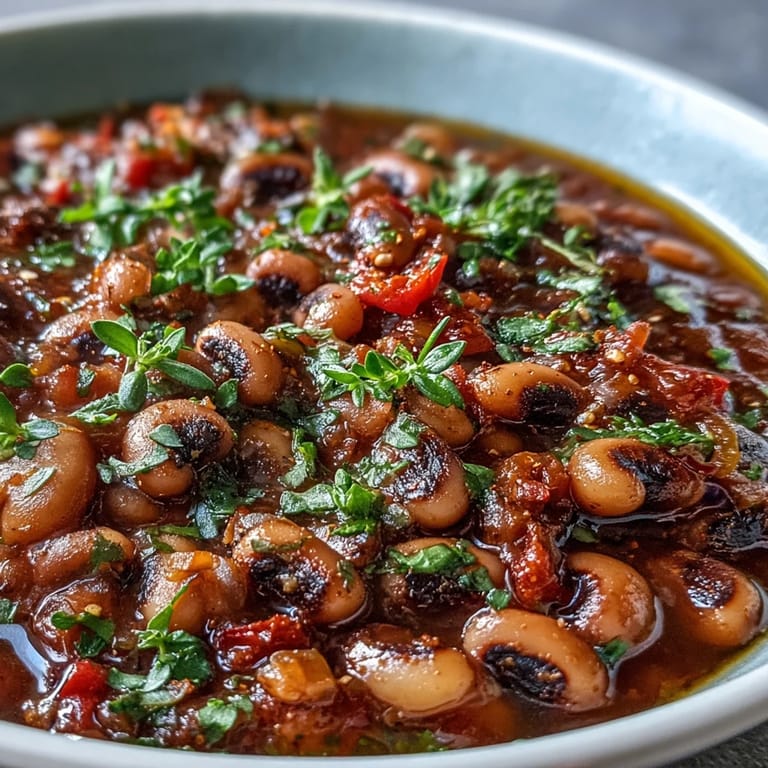
 My neighbor Maria handed me a container of black-eyed peas one autumn afternoon, explaining how her grandmother used to make this exact dish during the cooler months in Athens. I was skeptical at first—I'd never thought of black-eyed peas as particularly Mediterranean—but the moment that slow cooker began its gentle work, filling my kitchen with the smell of oregano and tomatoes, I understood completely. There's something about letting good ingredients do their thing over hours that feels almost meditative, and this recipe became my go-to when I wanted something warming without any fuss.
I made this for a small gathering one winter evening, and watching people reach for seconds without asking what was in it told me everything. One friend asked if there was meat, genuinely surprised when I said no—that's when I knew this dish had crossed from weeknight comfort into something genuinely special.
Ingredients
- Dried black-eyed peas (2 cups): Rinse these thoroughly and pick through them for any small stones, a step that feels tedious but pays off in texture.
- Extra virgin olive oil (1/3 cup): Don't skimp here—this is where the Mediterranean soul of the dish lives, so use something you'd actually enjoy tasting straight from a spoon.
- Large onion (1), finely chopped: This becomes almost sweet and mellow after hours of gentle cooking, forming the base that everything else builds on.
- Garlic (3 cloves), minced: Garlic mellows beautifully in the slow cooker, so you can be generous without any sharpness sneaking in at the end.
- Carrots (2), diced: These add natural sweetness and a bit of structural integrity that keeps the dish from becoming one-note.
- Red bell pepper (1), diced: The color matters here as much as the flavor—it keeps everything looking vibrant and alive.
- Canned diced tomatoes with juice (400 g): The juice is your friend, so don't drain it away no matter what your instincts say.
- Tomato paste (2 tablespoons): This concentrate deepens the savory notes and gives the whole pot a richer, more developed taste.
- Vegetable broth (4 cups): Quality matters—I learned this the hard way after using the salty kind once, so taste your broth before you commit to the whole pot.
- Dried oregano (2 teaspoons): This is the signature flavor here, so use the good stuff if you have it, and add it to the pot with intention.
- Smoked paprika (1 teaspoon): A pinch of smoke gives everything a subtle depth that hints at outdoor cooking without overpowering anything else.
- Ground cumin (1/2 teaspoon, optional): I add this when I'm in a certain mood—it's the ingredient that makes you wonder what you're tasting without quite being able to name it.
- Bay leaf (1): Remove it before serving (I've learned this the embarrassing way), as it's a flavor enhancer, not something to chew.
- Salt and pepper: Wait until the end to adjust these, as the broth will have concentrated considerably during cooking.
- Chopped fresh parsley, feta cheese, and lemon wedges (for garnish): These finish what the long cooking began, adding brightness and a textural contrast that wakes everything up.
Tired of Takeout? 🥡
Get 10 meals you can make faster than delivery arrives. Seriously.
One email. No spam. Unsubscribe anytime.
Instructions
- Prepare the vegetables and rinse the peas:
- Rinse your black-eyed peas under cold water and give them a quick look-through for any stones or debris that snuck in from the farm. Chop your onion, garlic, carrots, and bell pepper into roughly the same size so they cook evenly and look intentional when you serve them.
- Build your slow cooker base:
- Layer everything into your slow cooker starting with the peas, vegetables, and aromatics, then pour in the tomatoes with their juice, tomato paste, broth, and olive oil. Sprinkle in the oregano, paprika, cumin if using, bay leaf, salt, and pepper, then give it all a gentle stir to make sure nothing's stuck to the bottom.
- Cook low and trust the process:
- Cover the slow cooker and set it to low heat for 6 to 7 hours—this isn't a dish you rush. The magic happens in those hours of gentle simmering when the peas soften completely and all the flavors start having conversations with each other.
- Check for doneness and adjust:
- After about 6 hours, taste a pea—it should be completely tender with no graininess remaining. If they still have a slight firmness, give them another 30 minutes to an hour, as dried peas can vary in age and size.
- Remove the bay leaf and taste:
- Fish out the bay leaf with a spoon or small strainer before anyone gets a surprising mouthful, then taste for seasoning. The flavors will have concentrated quite a bit, so adjust salt and pepper now rather than regretting it later.
- Serve with finish and flourish:
- Ladle the stew into bowls and let people choose their own garnishes—some will want the feta and parsley, others will squeeze lemon over everything, and that's the beauty of it. The dish is generous and flexible, meeting people where they are.
 Save to Pinterest
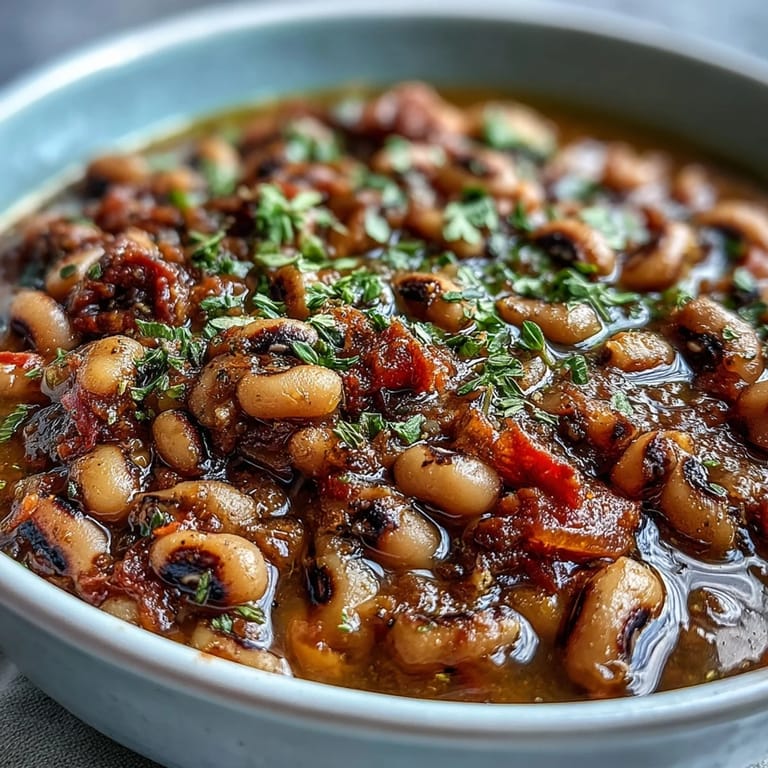
 There's a moment late in the afternoon when you crack open the slow cooker and that aromatic fog rolls out into your kitchen—oregano, tomato, something warm and Mediterranean—and you suddenly understand why people describe food as a hug. This dish does that every single time.
Why This Recipe Keeps Working
Black-eyed peas have a reputation as humble pantry staples, but when you give them time and good company, they become something quietly elegant. The slow cooker method means you're not standing over a hot stove in summer or hovering anxiously, checking if something's done—you just set it and let the heat work its gentle magic. This is the kind of recipe that rewards you for doing less, not more.
Making It Your Own
One evening I added a handful of fresh spinach in the final 30 minutes and suddenly had a completely different dish—still recognizably the same, but with an earthy brightness that made everyone pause. The beauty of this recipe is that it's a foundation strong enough to support additions without falling apart. You can swap the red bell pepper for yellow, leave out the cumin, use canned beans instead of dried if you're short on time, or add a splash of balsamic vinegar at the end for depth.
Serving and Pairing Ideas
I've served this over rice for people wanting something more substantial, alongside crusty bread for soaking up the broth, and straight from a bowl for those who prefer it simply. It pairs beautifully with a crisp white wine—something like Sauvignon Blanc or Greek Assyrtiko that cuts through the richness of the olive oil and complements the tomato. Cold leftovers make surprisingly good lunch containers, and the flavors only deepen in the refrigerator.
- Serve with lemon wedges so people can brighten their own bowl to taste.
- The feta is optional but transforms it from hearty to something almost refined if that's the mood you're setting.
- Make extra on purpose because this freezes beautifully for weeks, ready when you need comfort without planning.
 Save to Pinterest
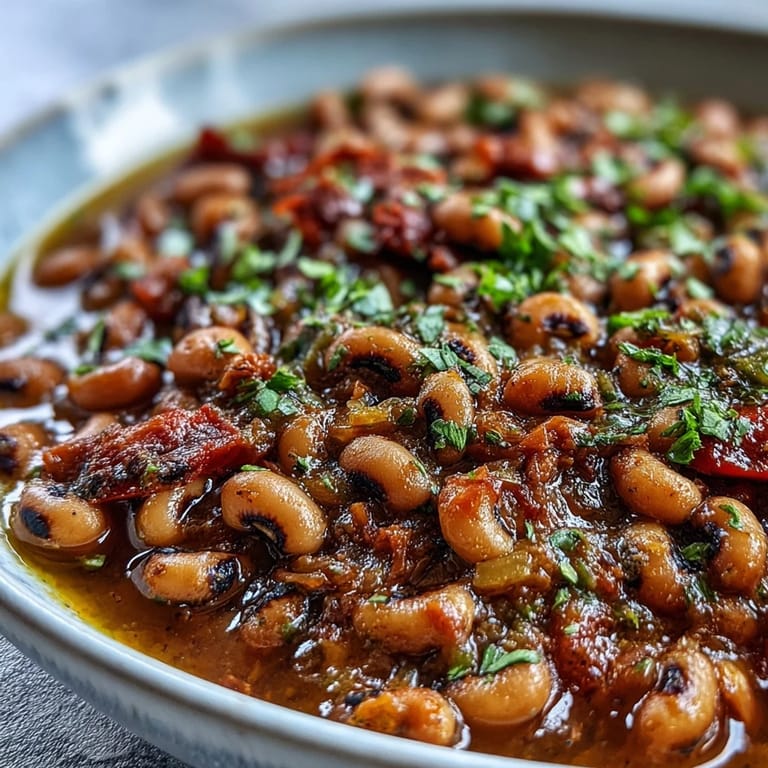
 This recipe is the kind that becomes a regular visitor to your dinner table without feeling predictable, somehow different each time you make it depending on the season and what you're feeling. It's the dish that reminds you why slow cooking exists in the first place.
Common Recipe Questions
- → Do I need to soak the black-eyed peas before cooking?
No soaking required. The slow cooker's extended cooking time and gentle heat allow the dried peas to cook directly in the liquid, becoming perfectly tender without pre-soaking.
- → Can I use canned black-eyed peas instead?
Yes, though you'll need to reduce cooking time significantly. Add canned peas during the last hour to heat through and absorb flavors without becoming mushy.
- → What makes this Greek-style?
The Mediterranean combination of olive oil, dried oregano, and tomato paste creates authentic Greek flavors. Optional feta cheese and lemon wedges enhance the traditional profile.
- → How long will leftovers keep?
Store in an airtight container in the refrigerator for up to 5 days. The flavors continue developing, making it even more delicious the next day.
- → Can I freeze this dish?
Absolutely. Portion into freezer-safe containers and freeze for up to 3 months. Thaw overnight in the refrigerator and reheat gently on the stove.
- → What can I serve with this?
Crusty bread for dipping, over steamed rice, or alongside a crisp green salad. Also excellent with roasted vegetables or as part of a Mediterranean mezze spread.