 Save to Pinterest
 My grandmother kept a small glass jar of beef tallow in her pantry, and I never understood why until I watched her roast potatoes one Sunday afternoon. The moment they hit the hot oil, the kitchen filled with this rich, meaty aroma that made everything else seem bland by comparison. I've been chasing that exact golden crispness ever since, and it turns out the secret was right there in her old-fashioned kitchen wisdom.
I made these for a dinner party last winter when someone joked that my potatoes were always the highlight of the meal. I nearly burned them while distracted by conversation, but that slightly browned edge turned out to be perfection. My friends still ask me to make "those potatoes" before anything else on the menu.
Ingredients
- Potatoes (2 pounds): Yukon Gold gives you that perfect balance of creamy interior and crispy exterior, but Russet works beautifully too if that's what you have on hand.
- Beef tallow (1/3 cup): This is the magic ingredient that transforms ordinary potatoes into something restaurant-quality, with a deep savory flavor that modern cooking has mostly forgotten about.
- Kosher salt (1 1/2 teaspoons plus more): The larger crystals dissolve slower, giving you control over seasoning and a nice textural moment as you eat.
- Black pepper (1/2 teaspoon): Freshly ground makes all the difference here—the aroma actually complements the beef flavor.
- Fresh rosemary or thyme (2 tablespoons): Optional but worth it, especially if you're infusing it into the tallow for an herbaceous edge.
- Garlic cloves (2): Smashing them opens up their oils without overpowering the potatoes, and you remove them so there's just the whisper of garlic left behind.
Tired of Takeout? 🥡
Get 10 meals you can make faster than delivery arrives. Seriously.
One email. No spam. Unsubscribe anytime.
Instructions
- Prepare your stage:
- Preheat the oven to 425°F and get a large rimmed baking sheet hot inside—this is non-negotiable for crispiness. You want it almost smoking when the potatoes hit it.
- Parboil with purpose:
- Cut your potatoes into 2-inch chunks and simmer them in salted water for 8 to 10 minutes until the edges are just tender but the centers still have resistance. You're looking for that slightly rough, almost broken surface when you drain them.
- The roughing technique:
- Return the drained potatoes to the empty pot and shake it gently but firmly for 20 or 30 seconds. This creates tiny tears on the surface that will become irresistibly crispy in the oven.
- Infuse if desired:
- Melt the beef tallow gently, and if you're using herbs and garlic, add them now for just a minute or two to let the flavors mingle, then fish out the solids. The tallow itself becomes the vessel for that savory richness.
- Coat the sheet and potatoes:
- Carefully pour half the tallow onto the screaming hot baking sheet, tilt it around to coat the surface, then add your potatoes in a single layer and drizzle the rest over top. Don't crowd them—they need space to become golden.
- The crucial flip:
- Roast for 20 minutes until you see color starting on one side, then use tongs to flip each piece so the other side gets its turn at the heat. This ensures every surface gets that shatteringly crisp exterior.
- Final roast to glory:
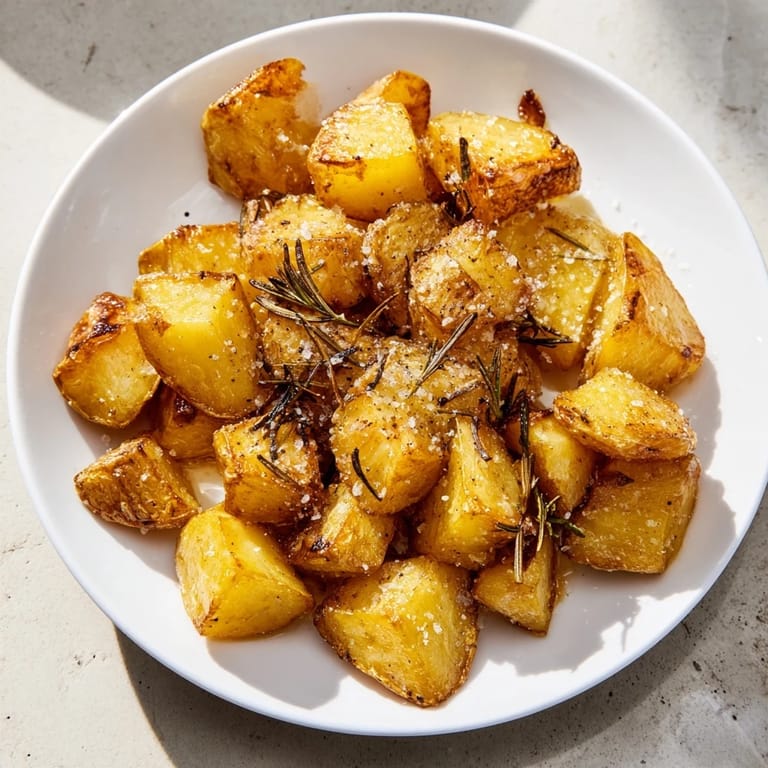
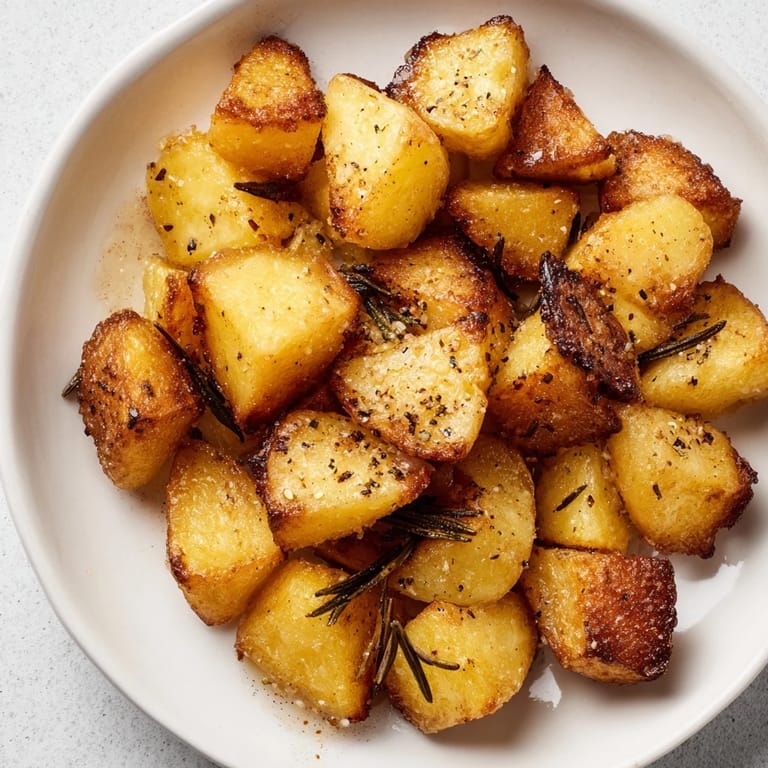
- Continue roasting for another 20 to 25 minutes until they're deep golden brown and you can hear them crunching slightly when you move the pan. Trust your eyes—the kitchen smell will tell you when they're close.
 Save to Pinterest
 These potatoes remind me that cooking old-fashioned doesn't mean outdated—it means understanding why our grandmothers did things the way they did. Sometimes the simplest ingredients, treated with a little patience, create something that stays in your memory for years.
What Makes Beef Tallow Special
Beef tallow has been used in kitchens for centuries because it's capable of reaching higher temperatures than butter without burning, and it carries a savory umami note that regular cooking oils simply don't have. It was pushed out of American kitchens by vegetable oil marketing, but anyone who's tasted potatoes cooked in it understands why it deserves a comeback. If you can't find beef tallow at your butcher, most will save some trimmings for you to render yourself, which is actually a meditative process worth trying once.
Timing and Temperature Precision
The 425°F oven temperature is your sweet spot—hot enough to crisp the exterior quickly but not so hot that it burns before the inside becomes fluffy. I learned this after a disaster with 475°F potatoes that looked charred on the outside and felt almost raw inside. The parboiling step is equally crucial because it means the potatoes are already partially cooked, so the oven just needs to crisp and finish, not steam its way through raw starch.
Serving and Flavor Variations
These shine alongside roasted beef or lamb where they absorb the meat's juices, but they're equally happy as the star of a simple weeknight dinner. Duck fat or goose fat create subtly different but equally delicious versions if you want to experiment, and a light dusting of smoked paprika or fresh chili flakes in the last few minutes adds dimension without overwhelming the savory tallow foundation.
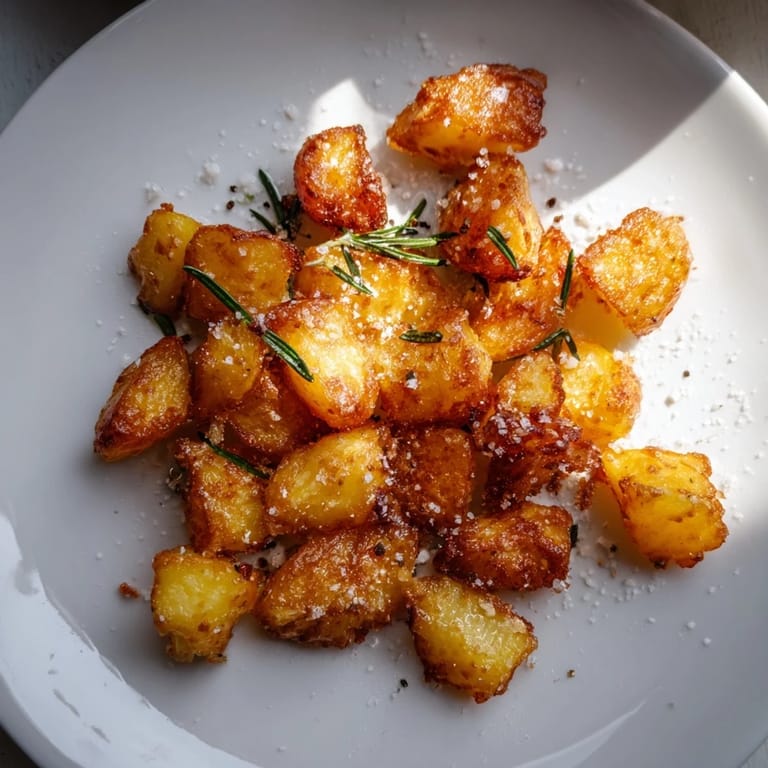
- Toss them with fleur de sel and fresh thyme right after they come out of the oven while they're still hot and crisp.
- Serve them in a warm bowl so they stay from getting soggy as they sit.
- Make extra because they often disappear faster than you'd expect, even among people who claim not to eat carbs.
 Save to Pinterest
 There's something deeply satisfying about cooking with ingredients that have been trusted in kitchens for generations. These potatoes are a small act of rebellion against convenience culture, and your kitchen will smell like a proper Sunday roast for hours afterward.