 Save to Pinterest
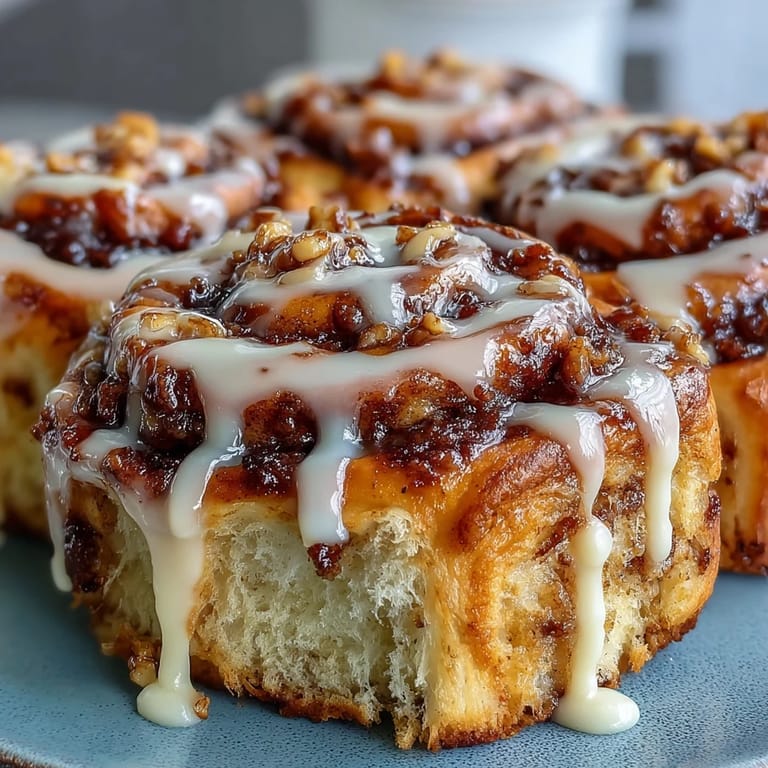
 My kitchen smelled like overripe bananas one Saturday morning, and instead of making the usual banana bread, I wondered what would happen if I tucked that fruit into a cinnamon roll dough. The first batch came out pillowy and fragrant, with the banana adding this subtle moisture that made them taste less like breakfast and more like dessert masquerading as breakfast. My partner walked in halfway through the second rise, saw the rolls lined up in the baking dish, and just smiled without saying anything. That silence told me everything.
I made these for a Sunday brunch with friends who were skeptical about the banana element, thinking it might taste like a smoothie gone wrong. When they bit into the first roll and the cinnamon sugar filling mixed with that fruity warmth, the room went quiet. Someone asked for the recipe before they'd even finished chewing, which is the highest compliment a home baker can receive.
Ingredients
- Mashed ripe bananas: The fruit needs to be genuinely ripe, with brown spots visible, otherwise the flavor disappears and you're just adding moisture with no soul.
- All-purpose flour: Weigh it if you can, or spoon it gently into your measuring cup and level with a knife, because packing flour down is how you accidentally make dense rolls.
- Active dry yeast: Check your packet date before opening, and if you're uncertain about freshness, bloom it with the milk first to watch for that foamy activity.
- Warm milk: Use a thermometer if you have one, because milk that's too hot kills the yeast, and milk that's too cool does nothing at all.
- Unsalted butter: Both melted and softened versions appear here for different reasons, so read carefully and don't swap them around.
- Brown sugar and cinnamon for filling: Brown sugar holds moisture better than granulated sugar, so your filling stays gooey instead of grainy between bites.
- Powdered sugar and milk for icing: This ratio creates a drizzle that pools slightly without running everywhere, but add milk slowly because you can always thin it out.
Tired of Takeout? 🥡
Get 10 meals you can make faster than delivery arrives. Seriously.
One email. No spam. Unsubscribe anytime.
Instructions
- Wake up the yeast:
- Warm milk should feel like bathwater on your wrist, not scalding. Whisk it with yeast and a pinch of sugar, then watch for foam rising to the surface within five minutes like a small edible science experiment.
- Build the dough:
- Stir in your mashed bananas, melted butter, egg, sugar, and salt until the mixture looks marbled and fragrant. This isn't a delicate step, so stirring vigorously is actually the right move here.
- Bring flour into the party:
- Mix it in gradually so you can feel when the dough transitions from sticky chaos to soft, cohesive dough. Kneading by hand takes about five minutes and should feel therapeutic, not like punishment.
- First rise:
- Cover the bowl loosely with plastic wrap or a damp towel and find a warm corner of your kitchen. Your oven with the light on works beautifully, or a sunny windowsill if you're patient enough.
- Shape the rolls:
- After punching down the dough, roll it into a rectangle roughly the size of a baking sheet. The softened butter should spread easily without tearing the dough, and the cinnamon sugar mixture needs to coat every visible inch.
- Roll and cut:
- Starting from the long edge, roll tightly like you're making a jelly roll, keeping tension as you go so they don't come loose. A long, thin sharp knife dipped in hot water makes cutting cleaner and keeps the spiral intact.
- Second rise:
- Arrange nine rolls in your baking dish with just a tiny bit of space between them, then cover and let them proof while your oven heats up. They should look pillowy and soft, like they're ready to puff further in the heat.
- Bake and golden:
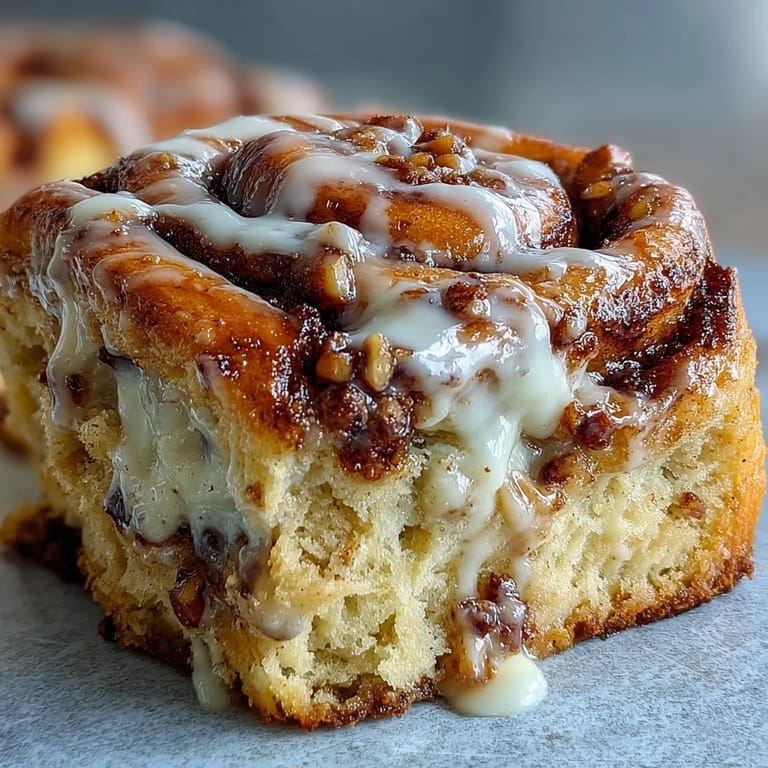
- Twenty five minutes at 350°F gives you rolls that are cooked through without burning the bottoms. The tops should be deep golden and smell like a bakery, not pale or underbaked.
- Finish with icing:
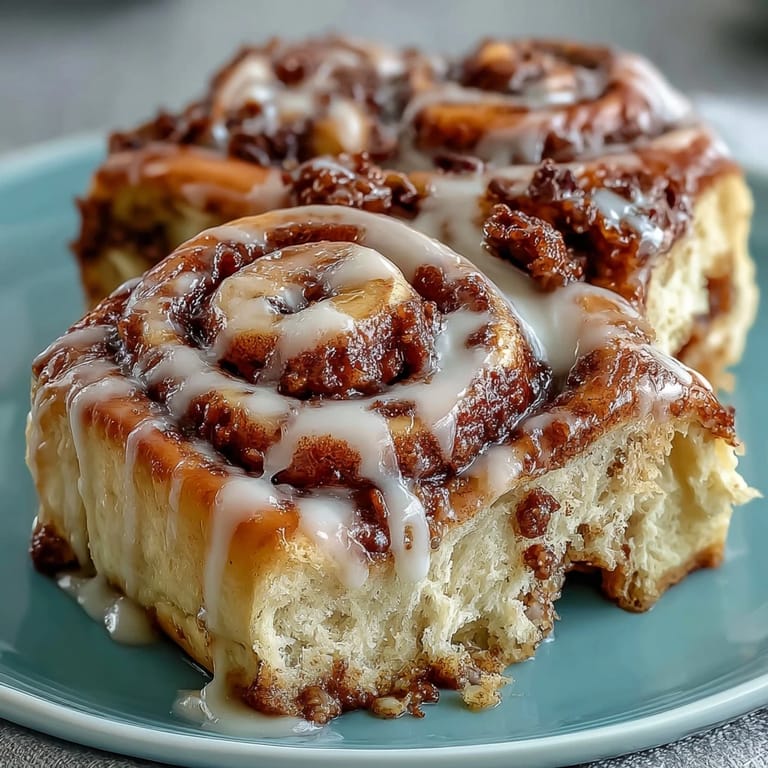
- While the rolls are still warm, whisk powdered sugar with milk until you have a thick but drizzleable consistency. Pouring it over warm rolls lets it sink into the crevices without completely coating everything.
 Save to Pinterest
 These rolls became my go-to gift when friends moved into new apartments or celebrated job promotions, because showing up with warm rolls in a foil-lined container felt more thoughtful than showing up empty-handed. There's something about homemade cinnamon rolls that communicates I was thinking of you without sounding cheesy.
The Banana Question Nobody Asks
People always wonder if banana bread dough tastes too much like banana, and the honest answer is no, because yeast and heat and time transform the fruit into something that enhances without dominating. The banana gives the rolls a tender crumb and a subtle sweetness that makes them feel less heavy than traditional cinnamon rolls, almost like eating something that's good for you even though it absolutely isn't. You taste the banana only if you're looking for it, but you feel its presence in every soft, moist bite.
Making These Ahead of Time
You can assemble these rolls completely, cover them tightly, and refrigerate them overnight before the second rise. In the morning, let them sit on the counter for 30 minutes, then bake them normally, which means you get fresh warm rolls without the early morning stress. Some bakers swear that overnight refrigeration actually improves the flavor because the dough develops deeper complexity, though honestly I think any warm cinnamon roll tastes like victory.
Customizing Without Losing Your Way
The base dough is forgiving enough to handle additions, whether that's chopped pecans in the filling or a splash of vanilla extract in the icing. I once added a teaspoon of cardamom to the cinnamon filling on a whim, and suddenly the rolls tasted like something my grandmother might have made if she'd traveled. The structure stays solid as long as you don't add liquid ingredients that throw off the dough hydration, and you keep the ratio of filling generous enough to actually taste it.
- Walnuts or pecans in the filling add crunch and earthiness without making anything too dense.
- Cream cheese mixed into the icing creates a tangy richness that some people find even better than straight sugar and milk.
- A light sprinkle of fleur de sel on top of the icing adds a salty contrast that makes everything taste more intentional.
 Save to Pinterest
 These rolls remind me why people gather in kitchens in the first place, standing around warm food and forgetting about everything else for a moment. Make them when you want to feel like you're showing up for the people you love.
Common Recipe Questions
- → Can I make the dough ahead of time?
Yes, you can prepare the dough and refrigerate it overnight after the first rise. Let it come to room temperature for about 30 minutes before rolling out and continuing with the filling and baking steps.
- → How do I know when the rolls are done baking?
The rolls are ready when they're golden brown on top and a toothpick inserted into the center comes out clean. The internal temperature should reach about 190°F. If they're browning too quickly, tent with foil during the last 5-10 minutes.
- → Can I freeze these rolls?
Absolutely. You can freeze baked, cooled rolls for up to 3 months. Thaw overnight in the refrigerator, then warm in the microwave for 20-30 seconds. Alternatively, freeze before baking and let thaw and rise overnight before baking as directed.
- → What if my dough is too sticky to work with?
Banana dough naturally tends to be stickier than traditional dough. Lightly flour your work surface and hands, and use a bench scraper to help lift and roll. Avoid adding too much flour as it can make the final texture tough.
- → Can I use whole wheat flour?
You can substitute up to half of the all-purpose flour with whole wheat flour for added nutrition. Keep in mind this may result in slightly denser rolls. For best texture, stick with white whole wheat flour or use a 50/50 blend.
- → How ripe should the bananas be?
Use bananas with plenty of brown spots for the best flavor and sweetness. Very ripe bananas mash easily and incorporate better into the dough, plus they add natural moisture that helps keep the rolls tender.